Formulation Advice: Vitamin C Serum, Anti-Aging Serum, Water Type, and Ingredient Compatibility
Question
I have some questions regarding cosmetic formulation, based on my experiences and proposed serum formulas:
- Tester Product Reaction: I previously used a tester gel product. After stopping and then restarting use, I experienced inflamed acne. The product was not refrigerated and was exposed to heat. Could this reaction be due to ingredient degradation, microbial contamination, or changes in my skin sensitivity?
- Thin Essence Consistency: I tried mixing several water-soluble ingredients in water, expecting it to thicken, but it remained watery like plain water. It felt insufficient when applied. I understand now that I need a thickening agent. What percentage of Xanthan Gum or Pro Polymer is typically needed to achieve a light gel/serum consistency?
- Water Type (Distilled vs. Deionized) and EDTA: I cannot find safe Distilled Water. I found Deionized Water (RCI Labscan brand, ~4 liters for 200+ THB) at a medical supply store. The seller, a pharmacist, confirmed it's water with ions removed. It's sealed and seems safe. Can Deionized Water be used interchangeably with Distilled Water in cosmetic formulation? If so, do I still need to add EDTA (Disodium EDTA) to the water, especially since I plan to use Copper-Peptide, which should not have EDTA?
Serum Vitamin C E Ferulic Formula Review: I have adapted a Vitamin C E Ferulic serum formula. Please review the following proposed formula and advise:
- Group A:
- Water 41.2 g.
- TEA 2.5 g.
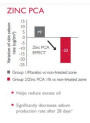
- Zinc PCA 0.5 g.
- EDTA 0.2 g.
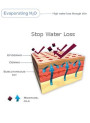
- Water Lock 2 g. (Claims to work well in pH 3-8)
- Feluric Acid 0.5 g.
- Alpha Bisabol 1 g. (Liquid oil, claims to work well in pH 3-11. Can this replace B5?)
- Group B:
- Ethexydiglycol 20 g.
- Bytylene Glycol 10 g. (Replacing Propylene Glycol)
- Glycerin 3 g.
- Laureth-23 3 g. (Emulsifier. Can I use an alternative? Skinceutical's original formula uses this, but I suspect I might be sensitive to it. Is it essential for Vitamin C efficacy?)
- Group C:
- L-Ascorbic Acid 15 g.
- Group D:
- Hyaluronic Acid Nano 0.1 g.
- Xanthan Gum 1 g.
Do I need to add a preservative to this formula? I plan to mix small batches and store them in the refrigerator. Are there any ingredients that should be added or removed? Specifically, should ingredients 6 and 7 be dissolved in Group B instead of Group A?
- Group A:
Serum Anti-Aging + Whitening Formula Review: I plan to make a Serum Anti-Aging + Whitening with the following formula (percentages by weight assumed):
- Water 57.9%
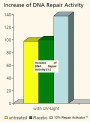
- Repair Activator 8 %
- Copper-Peptide 3 %
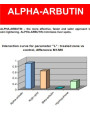
- Alpha Arbutin 2%
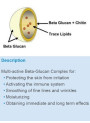
- Beta Glucan 3%
- EGCG 3%
- Gotu Kola 3%
- Ceramide 3%
- Hydro Protien 3%
- B3 3%
- NAG 3%
- Water Lock 2% (Leftover from Vit C formula)
- Hyaluronic Acid Nano 0.1% (Leftover from Vit C formula)
- Bytylene Glyco 5%
- Xanthan Gum 1%
Is this formula too complex or does it contain too many ingredients? Are there any ingredients that require pH adjustment? Which ingredients should be cut or reduced? I intend to use it morning (before makeup) and night.
- Stock Availability: Are Ceramide (Cerasoft™) and Zinc PCA currently in stock?
Answer
Formulation Advice and Ingredient Questions
Thank you for sharing your detailed experiences and formulation questions. Here is a response addressing each of your points:
Reaction to Tester Product
The delayed reaction (acne) you experienced after stopping and restarting the tester gel could be due to several factors:
- Ingredient Degradation: Exposure to heat and air, especially without refrigeration, can cause some ingredients to break down over time, potentially forming irritating compounds.
- Microbial Contamination: Water-based products are prone to microbial growth (bacteria, mold, yeast) if not stored correctly or if contaminated during use. Warm temperatures accelerate this. Even with preservatives, contamination is possible.
- Changes in Skin Sensitivity: Your skin's condition and sensitivity can fluctuate based on environmental factors (like heat), stress, or other personal factors.
Proper storage, especially refrigeration for sensitive formulas, is important to maintain product stability and prevent contamination.
Thin Essence Consistency
You are correct that mixing water-soluble ingredients in water alone results in a watery texture. To achieve a thicker, serum or gel consistency, you need to incorporate a thickening agent (สารสร้างเนื้อเจล/สารสร้างความหนืด) such as Xanthan Gum or Pro Polymer. Adding a small percentage (typically 0.5-1%) will increase the viscosity.
Distilled Water vs. Deionized Water
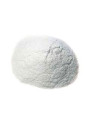
Deionized Water (DI water) is suitable for cosmetic formulation and can be used as a substitute for Distilled Water. Both processes remove minerals and ions from the water. Using DI water means you generally do not need to add EDTA (Disodium EDTA), which is beneficial, especially when using Copper Peptide, as EDTA can interfere with its efficacy. So, DI water is a good choice, and you are correct that you don't need to add EDTA when using it, particularly in your Copper Peptide formula.
Analysis of Serum Vitamin C E Ferulic Formula
Here are some points regarding your proposed Vitamin C E Ferulic formula:
- Ingredient Solubility: Ferulic Acid (Pure-Ferulic Acid™) and Alpha Bisabolol (Bisabolol) are not water-soluble. They should be dissolved in the solvent/oil phase (Group B, e.g., Ethoxydiglycol, Butylene Glycol, Glycerin) before combining with the water phase (Group A).
- Alpha Bisabolol vs. Vitamin B5 (Panthenol): Alpha Bisabolol is an anti-inflammatory and anti-irritant ingredient. Vitamin B5 (Panthenol) is a humectant, moisturizer, and helps with skin barrier repair and wound healing. They have different primary functions, so Alpha Bisabolol is not a direct substitute for the benefits of B5. If you desire the moisturizing and healing properties of B5, you should include Panthenol.
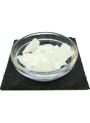
- Laureth-23: Laureth-23 is an emulsifier used to create emulsions (like creams or lotions). If you are making a serum that is primarily water-based with solubilized oils, you might need a different type of solubilizer or emulsifier depending on the overall composition and desired clarity/texture. If you suspect sensitivity, alternative emulsifiers are available, but their suitability depends on the specific formula.
- Preservative: Even with refrigeration, water-based formulas are highly susceptible to microbial contamination. Adding a broad-spectrum preservative is strongly recommended to ensure the safety and stability of your product.
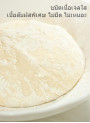
- pH Compatibility: Your formula contains L-Ascorbic Acid (Vitamin C), which requires a low pH (ideally 2.0-3.5) for stability and efficacy, and Zinc PCA, which is most effective in the pH range of 4-6. It is difficult to optimize the pH for both ingredients simultaneously. A pH low enough for L-Ascorbic Acid might affect Zinc PCA, and adjusting the pH higher with TEA (Triethanolamine) would destabilize L-Ascorbic Acid. The inclusion of TEA suggests an attempt to raise pH, which is counterproductive for L-Ascorbic Acid stability. You may need to prioritize the pH for Vitamin C or consider a different form of Vitamin C stable at a higher pH.
Analysis of Serum Anti-Aging + Whitening Formula
Regarding your second formula:
- Ingredient Quantity: This formula includes a wide range of beneficial active ingredients for anti-aging and whitening. While comprehensive, formulating with many actives requires careful consideration of compatibility and potential for skin sensitivity, especially with a high total active load.
- Water and EDTA: Using Deionized Water is appropriate, and omitting EDTA is correct and necessary for the stability of Copper Peptide.
- Preservative: As mentioned before, a water-based formula requires a broad-spectrum preservative for safety and stability, even when refrigerated.
- pH Adjustment: Many ingredients in this formula have specific optimal pH ranges (e.g., Copper Peptide pH 4.5-7.4, Repair Activator pH 4-5.5, Alpha Arbutin pH 3.5-6.5, Beta Glucan pH 5-7, EGCG pH 4-6.5, B3/NAG pH 3-7). To ensure the best performance and stability of most actives, the final pH should be adjusted to a range around pH 5-5.5.
- Ingredient Percentages: The percentages listed (excluding water) sum to 40.1%. With 57.9% water, the total is 98%. You may need to slightly adjust the water percentage to reach 100%. The concentrations of individual actives are generally within recommended ranges, but the cumulative effect of many actives should be considered, especially if you have sensitive skin.
Stock Availability
I cannot provide real-time information on product stock availability for Ceramide (Cerasoft™) and Zinc PCA. Please check the website directly or contact customer service on Monday the 7th to confirm stock before placing your order.
In summary, pay close attention to ingredient solubility and pH compatibility in your formulas, especially for Vitamin C and Copper Peptide. Always include a preservative in water-based products for safety and stability, even with refrigeration. Confirm stock availability before ordering.
Related Products Mentioned
Alpha Arbutin (Switzerland)
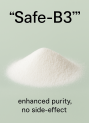
Safe-B3™ (Vitamin B3, Niacinamide)
GlucoBright™ (Acetyl Glucosamine)
Pure-Ferulic Acid™
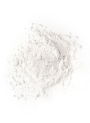
Vitamin C (L-ascorbic acid) (Ultra-Fine)
Vitamin E (dl-alpha tocopherol)
Ethoxydiglycol (e.q. Transcutol)
Triethanolamine 99%
Laureth-23
Glycerin (USP/Food Grade)
Disodium EDTA
Zinc PCA
WaterLock™ (Polyquaternium-51)

Butylene Glycol
Hi-EGCG™ (Green Tea Extract)