Formulation Analysis and Ingredient Compatibility Issues
Question
Can you analyze the ingredients and proportions of this proposed formulation (Macadamia oil 44%, Avocado Oil 18%, Shea Butter 27%, Vitamin E 1%, Beet Root Red Pigment 10%) and provide feedback on potential issues, especially regarding ingredient compatibility and stability?
Answer
Formulation Ingredients Analysis
Here is an analysis of the ingredients you provided for your formulation:
- Macadamia Nut Oil (44%): This oil is easily absorbed and helps make the skin soft and smooth. It's rich in palmitoleic fatty acids, similar to those naturally found in skin, helping to keep skin youthful and moisturized. It's suitable for dry and wrinkled skin and works well in body massage products. It should be mixed into the oil phase of your formulation.
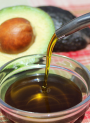
- Avocado Oil (18%): Rich in vitamins A, D, E, and essential fatty acids, Avocado Oil is a highly moisturizing oil suitable for all skin types, particularly dry skin. It helps relieve skin dryness, reduces dark spots and scars, and supports skin rejuvenation by adding collagen. Like Macadamia Oil, it should be mixed into the oil phase.
- Shea Butter (27%): A natural fat known for its excellent moisturizing properties due to its high fatty acid content. It helps retain moisture, improves skin elasticity, and can assist with issues like dryness, scars, and wrinkles. The Ultra-Soft type is processed for consistent texture. Shea Butter should be melted and mixed into the oil phase, typically by heating to 60-70°C. It can be used at high concentrations or even directly on the skin.
- Vitamin E (1%): Vitamin E (specifically Tocopheryl Acetate in the product description) acts as an antioxidant, protecting both the skin and the formulation itself from free radical damage and oxidation. It is oil-soluble and should be mixed with other oils or emulsifiers. The typical usage rate for skin benefits is 0.1-0.5%, while 0.01% is often sufficient as an antioxidant for oils. Your 1% usage is within the general range (0.1-1%) but slightly higher than typical for just antioxidant purposes, which might contribute to a slightly sticky feel if used on the skin directly, as noted in the product description.
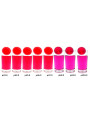
- Beet Root Red Pigment (Natural Pigment, Powder) (10%): This is a natural colorant derived from Beet Root. It is a powder that is soluble in water and should be mixed into the water phase of a formula. A critical restriction is that it requires a pH range of 4-5 to maintain its color stability; outside this range, the color may change or fade. The typical usage rate for this pigment is 0.1-1% depending on the desired color intensity. Your proposed usage of 10% is significantly higher than the typical rate and may lead to issues with dispersion (especially in an oil-heavy formula), texture, and color stability, in addition to being much more color-intense than usually needed.
Based on the high percentage of oils and butter (89%), this formulation appears to be an anhydrous product like a balm or body butter. Incorporating the water-soluble Beet Root Red Pigment at 10% into such a base would require careful dispersion techniques, possibly pre-dispersing it in a small amount of oil or a suitable dispersant, and managing the overall pH if any water is present or introduced. The high percentage of the pigment is also a significant consideration.
Related Products Mentioned
Vitamin E (Tocopheryl Acetate)
Avocado Oil (Refined)
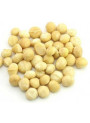
Macadamia Nut Oil (Deodorized)