Formulation Challenges for a Complex Serum (Vitamin C, AHA, Arbutin)
Question
As a beginner attempting to create a serum formula containing L-Ascorbic Acid, Alpha Arbutin, Glutathione, ALA, AHA, Ferulic Acid, Ethoxydiglycol, Propylene Glycol, Hyaluronic Acid, and Phenoxyethanol, I have several questions:
- Are all these ingredients necessary?
- I understand the target pH is around 3.5-4.5. Is this correct?
- I am concerned about the difficulty in dissolving L-Ascorbic Acid in water and its rapid oxidation. Can you suggest an easier method for dissolving Vitamin C?
- I plan to make this serum soon and have been studying for 3 weeks, but I am worried about the ingredients and the process of dissolving Vitamin C.
Answer
Formulation Advice for Your Serum Ingredients
Creating a stable and effective serum, especially one containing L-Ascorbic Acid and multiple other active ingredients like Alpha Arbutin, AHA, and ALA, is quite challenging, particularly for beginners. Based on the ingredients you've selected and the advice you've already received, here's a breakdown of the considerations:
Challenges with Your Ingredient List
- L-Ascorbic Acid Stability: L-Ascorbic Acid (Vitamin C) is highly effective but very unstable, especially when dissolved in water. It oxidizes quickly, losing its potency. To be effective and stable, it requires a low pH (ideally between 3.5-4.0 for cosmetic products). Product descriptions confirm it oxidizes in water and needs specific conditions.
- pH Compatibility: Combining L-Ascorbic Acid (requires pH 3.5-4.0) with AHA (requires pH <= 4.0, ideally >= 3.5 for efficacy and FDA compliance) and Alpha Arbutin (pH 3.5-6.5) and Glutathione (pH 3-6) creates a complex pH balancing act. While there's overlap in the required low pH range, achieving the optimal pH for all actives simultaneously while keeping the formula stable and non-irritating is difficult. A pH that is too low can cause significant skin irritation, especially with AHA.
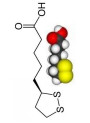
- Solubility Issues: Ingredients like Alpha Lipoic Acid (ALA) and Ferulic Acid are not easily soluble in water. They require solvents such as Propylene Glycol or Ethoxydiglycol. This adds complexity to the mixing process, requiring careful handling of different phases.
- Ingredient Interactions & Load: Combining this many potent active ingredients (L-Ascorbic Acid, Alpha Arbutin, Glutathione, ALA, AHA, Ferulic Acid) in one formula significantly increases the risk of ingredient interactions, instability, and potential skin irritation. Each active has its own optimal concentration and conditions for efficacy and safety.
Recommendations for a Beginner
Given the complexities, especially the instability of L-Ascorbic Acid and the challenge of combining multiple pH-sensitive actives, it is highly recommended for beginners to start with simpler, proven formulations.
- Simplify the Formula: Instead of trying to combine all ten ingredients, consider focusing on a serum with just one or two main active ingredients that are known to be compatible and easier to formulate. For example, you could make a simpler Alpha Arbutin serum with Hyaluronic Acid for hydration, or a basic L-Ascorbic Acid serum following a well-established recipe that uses stabilizers like Ferulic Acid (similar to the Vitamin C E Ferulic concept).
- Use Stable Vitamin C Derivatives: If you want Vitamin C benefits without the stability issues of L-Ascorbic Acid, consider using more stable derivatives like Ethyl Ascorbic Acid or Ascorbyl Glucoside, which are easier to formulate with.
- Follow Tested Recipes: As advised previously, look for tested and stable serum recipes available on the forum. These recipes have already addressed compatibility and stability issues.
Ingredients like Ethoxydiglycol and Propylene Glycol are commonly used as solvents and carriers to help dissolve other ingredients and improve skin penetration. Hyaluronic Acid is an excellent humectant for hydration, and Phenoxyethanol is a standard preservative necessary to prevent microbial growth in water-based formulas. These supporting ingredients are generally easier to incorporate, but they do not resolve the fundamental compatibility and stability challenges posed by combining the active ingredients you listed.
Due to the significant challenges in formulating a stable and effective serum with all the ingredients you listed, especially for someone new to cosmetic formulation, providing a precise 100ml formula and step-by-step mixing instructions for this specific combination is not advisable. Attempting this complex mix without advanced knowledge and equipment is likely to result in a product that is unstable, ineffective, or potentially irritating.
Focus on mastering simpler formulations first to build your skills and understanding of ingredient interactions and stability.
Related Products Mentioned
Alpha Arbutin (Switzerland)
Vitamin C E Ferulic
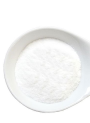
Pure-Ferulic Acid™
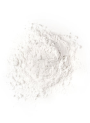
Vitamin C (L-ascorbic acid) (Ultra-Fine)
Ethoxydiglycol (e.q. Transcutol)
Propylene Glycol (USP)
Phenoxyethanol (Extra Pure)
Alpha Lipoic Acid (ALA) (Powder)
Glutathione (L-Glutathione) (Extrasol)