Formulation Challenges for a Peptide and Hyaluronic Acid Serum
Question
I am trying to create a serum/gel product using the following formula. Could you please review the feasibility and potential challenges of combining these ingredients?
Formula (Total 100g):
- Glycerin Gel (Glyceryl Polyacrylate): 10 %
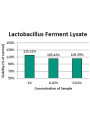
- Lactobacillus Ferment Lysate: 5 %
- Copper Peptide (GHK-Cu) (1000ppm Solution): 3 %
- Acetyl Hexapeptide-8 (eq Argireline): 10 %
- Pal-GHK, Pal-GQPR (eq Matrixyl 3000): 5 %
- Pep®-Coll (Palmitoyl Tripeptide-5): 3 %
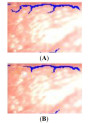
- Pep®-Leupha (Pentapeptide-18): 5 %
- Pep®-Synthe6 (Palmitoyl Tripeptide-38): 2 %
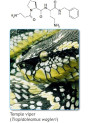
- (Syn-Ake eq.) Dipeptide Diaminobutyroyl Benzylamide Diacetate: 4 %
- 8D Hyaluronic Acid: 5 %
- Allantoin: 0.5 %
- Natural Moisturizing Amino Acids: 3 %
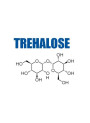
- TreMoisture™ (Trehalose): 2 %
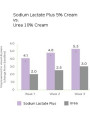
- Sodium Lactate Plus: 3 %
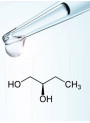
- Butylene Glycol: 5 %
- Propanediol (1,3-Propanediol) (Natural): 5 %
- Distilled Water: 29.5 %
Total: 100 g
Answer
Analysis of the Formulation
This formulation includes a powerful blend of ingredients known for their benefits in skincare:
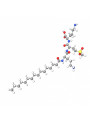
- Peptides: The list features several well-known peptides such as Acetyl Hexapeptide-8 (often referred to as Argireline), Pal-GHK, Pal-GQPR (often referred to as Matrixyl 3000), Palmitoyl Tripeptide-5 (Pep®-Coll), Pentapeptide-18 (Pep®-Leupha), Palmitoyl Tripeptide-38 (Pep®-Synthe6), and Dipeptide Diaminobutyroyl Benzylamide Diacetate (Syn-Ake eq.). These peptides target different aspects of skin aging, from reducing the appearance of expression lines (Acetyl Hexapeptide-8, Dipeptide Diaminobutyroyl Benzylamide Diacetate) to stimulating collagen production and improving skin structure (Pal-GHK, Pal-GQPR, Palmitoyl Tripeptide-5, Palmitoyl Tripeptide-38). Copper Peptide (GHK-Cu) is also included, known for wound healing and anti-inflammatory properties.
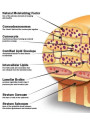
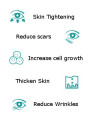
- Hydrators & Humectants: Glycerin Gel (Glyceryl Polyacrylate), 8D Hyaluronic Acid, Natural Moisturizing Amino Acids, TreMoisture™ (Trehalose), Sodium Lactate Plus, Butylene Glycol, and Propanediol (1,3-Propanediol) are all excellent humectants and hydrators that draw and retain moisture in the skin, contributing to plumpness and barrier function.
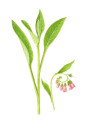
- Soothing Agent: Allantoin is included for its known ability to reduce irritation and promote skin healing.
- Probiotic-derived Ingredient: Lactobacillus Ferment Lysate is present, which can help support the skin's natural defenses and improve skin cell turnover.
Combining these ingredients has the potential to create a potent serum addressing multiple skin concerns simultaneously.
Key Formulation Considerations
While the ingredients are generally beneficial, successfully combining them into a stable and effective product requires careful formulation due to specific requirements of several components:
- pH Sensitivity: Many peptides and Lactobacillus Ferment Lysate have specific optimal pH ranges for stability and efficacy. For example, Copper Peptide works best between pH 4.5-7.4, Acetyl Hexapeptide-8 and Dipeptide Diaminobutyroyl Benzylamide Diacetate prefer 3.5-6.5, and Lactobacillus Ferment Lysate is optimal between 3.5-5.5. Allantoin is best at pH 4-8, and 8D Hyaluronic Acid is stable between 3-9. Finding a single pH that is optimal or at least acceptable for all these ingredients is crucial and can be challenging.
- Temperature Sensitivity: Most peptides (Copper Peptide, Acetyl Hexapeptide-8, Pal-GHK, Pal-GQPR, Palmitoyl Tripeptide-5, Pentapeptide-18, Palmitoyl Tripeptide-38) and Lactobacillus Ferment Lysate should be added in the final phase of formulation, after the mixture has cooled below 40°C, to preserve their activity. Sodium Lactate Plus can withstand temperatures up to 60°C.
- Ingredient Incompatibilities: The description for Dipeptide Diaminobutyroyl Benzylamide Diacetate (Syn-Ake eq.) specifically lists incompatibilities with certain preservatives (Potassium Sorbate, Benzyl Alcohol, Dehydroacetic Acid, Urea group), a detergent (Disodium Cocoamphodiacetate), and other ingredients (Sodium Metabisulfite, Propylene Glycol, PEG-40 Hydrogenated Castor Oil). Ensure that any other ingredients added (like preservatives for the water phase) are compatible.
- Solubility: Allantoin has limited solubility in water at room temperature (around 0.5%). While your formula uses 0.5%, ensuring it is fully dissolved may require gentle heating or using a co-solvent like Glycerin or Propanediol, which are already present in your formula.
- Storage: Many of the peptides and Lactobacillus Ferment Lysate require refrigeration (4-8°C or 6-8°C) for long-term storage to maintain their stability and efficacy. The final product may also require refrigerated storage depending on the overall formulation and preservation system. Natural Moisturizing Amino Acids should be stored away from light and heat.
- Preservation: With a high percentage of water (29.5% distilled water plus water content in various solutions/liquids), an effective and compatible preservation system is essential to prevent microbial contamination. The chosen preservative must be compatible with all active ingredients, especially the peptides and Lactobacillus Ferment Lysate, keeping in mind the incompatibilities mentioned for Dipeptide Diaminobutyroyl Benzylamide Diacetate.
Conclusion
The provided list of ingredients represents a sophisticated blend with potential benefits for the skin. However, successfully formulating these ingredients into a stable, effective, and safe cosmetic product is complex. Simply mixing the raw materials according to the percentages listed is highly likely to result in stability issues, reduced efficacy of the active ingredients, or potential incompatibility problems.
Professional cosmetic formulation involves carefully selecting compatible ingredients, determining the correct order of addition, controlling temperature and pH during manufacturing, and conducting rigorous stability and safety testing.
Therefore, while the concept is promising, this specific list should be viewed as a guide for ingredients of interest rather than a ready-to-use formula. It is strongly recommended to consult with a cosmetic chemist or use professionally developed base formulas designed to incorporate such active ingredients.
Related Products Mentioned
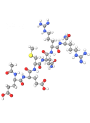
Acetyl Hexapeptide-8 (eq Argireline)
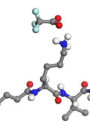
Pep®-Coll (Palmitoyl tripeptide-5)
Pal-GHK, Pal-GQPR (eq Matrixyl 3000)
Allantoin
TreMoisture™ (Trehalose)
Butylene Glycol
Sodium Lactate Plus
Glycerin Gel (Glyceryl Polyacrylate)
Lactobacillus Ferment Lysate
8D Hyaluronic Acid
Pep®-Leupha (Pentapeptide-18)