Formulation challenges for a short-term Vitamin C serum
Question
I am formulating a serum for short-term use. Based on the base formula, I have the following questions:
- If I mix L-ascorbic acid 10% with Base 90%, what will the pH be?
- Encapsulated Retinol's INCI list includes Adenosine. Can I expect skin benefits from this Adenosine? Can this type of Retinol be used during the day?
- Which ingredients cannot tolerate the acidic pH after mixing with Vitamin C?
- Is Laurocapram 2% effective in enhancing the penetration of skin care ingredients, or should I increase the concentration of the penetration enhancer?
Answer
Formulation Advice for Your Short-Term Vitamin C Serum
You're looking to create a potent serum for short-term use to maximize the benefits of L-ascorbic acid while minimizing stability concerns. Here's a breakdown of your questions based on the ingredients you've listed:
1. pH of the Formula with L-Ascorbic Acid
It's not possible to give an exact pH value for your base formula with 10% L-ascorbic acid added. The final pH is influenced by all the ingredients present and their interactions. However, with the variety of ingredients in your base, it is expected that the pH would likely be higher than the optimal range (2.0-3.5) required for L-ascorbic acid to be stable and effective. A pH above 4.0 would cause L-ascorbic acid to degrade very quickly, even if used within a week.
2. Encapsulated Retinol (HyaRetin™) and Adenosine Benefits, and Daytime Use
The specific Encapsulated Retinol product you might be using (such as HyaRetin™) can contain Adenosine as part of its composition or INCI. Adenosine is known to be an important part of skin cell function and can help repair the skin, contributing to anti-wrinkle efficacy. So, you can potentially expect skin benefits from the Adenosine present.
Regarding daytime use, traditional Retinol is often recommended for nighttime use due to its sensitivity to sunlight. However, encapsulated forms like HyaRetin™ are designed to improve stability, including photostability, and enhance skin penetration. While encapsulated forms offer better stability, it is generally still recommended to use retinoids at night and always apply sunscreen during the day when using products containing retinoids, regardless of encapsulation.
3. Ingredients Unstable in Acidic pH with Vitamin C
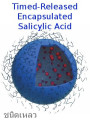
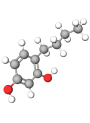
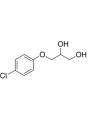
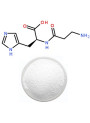
L-ascorbic acid requires a low pH (ideally 2.0-3.5) for optimal stability and skin penetration. Many cosmetic ingredients can be sensitive to such acidic conditions. While the staff mentioned that if the pH is above 4, other ingredients might not have issues, the problem arises when you do achieve the low pH needed for L-ascorbic acid. At a low pH, some ingredients in your formula could potentially face stability or efficacy issues. For example, peptides like L-Carnosine and Matrixyl 3000 generally prefer a pH range closer to 3.5-7.0. Orange Peel Extract also prefers a pH range of 3.5-7.0. Activated Resorcinol prefers a pH range of 4.5-5.5. Encapsulated Salicylic Acid (Liquid, Timed-Release, Wash-Off) is stated to have a pH closer to 5.0 during its action period, suggesting it might not be stable or effective at a very low pH. 4MSK is an electrolyte and can affect the texture of gels/creams at low pH. Chlorphenesin is a preservative that works best in a pH range of 0.1-0.3%. Disodium EDTA works between pH 3.0-9.0.
Combining many active ingredients with different optimal pH ranges in a single formula, especially with L-ascorbic acid requiring a very low pH, makes achieving stability and efficacy for all ingredients challenging. The staff's concern about the complexity and potential ingredient incompatibility is valid.
4. Effectiveness of Laurocapram 2% as a Penetration Enhancer
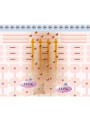
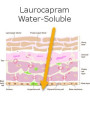
Laurocapram (Water Soluble) at 2% is generally considered an effective penetration enhancer for water-soluble active ingredients. However, as the staff pointed out, your formula contains ingredients that are oil-soluble, such as Retinol. Laurocapram (Water Soluble) is not suitable for effectively conveying oil-soluble ingredients into the skin. Therefore, while 2% Laurocapram might enhance the penetration of your water-soluble ingredients, it will not effectively enhance the penetration of oil-soluble components like Retinol in this specific formula. To enhance penetration of oil-soluble ingredients, you would need to use an oil-soluble penetration enhancer or a system designed for both types of ingredients.
Given the complexity and potential compatibility issues highlighted, especially with L-ascorbic acid and the mix of ingredients, creating a stable and effective formula, even for short-term use, is challenging. It might be more effective to create separate, simpler formulations targeting specific concerns or ingredient compatibilities.
Related Products Mentioned

Pal-GHK, Pal-GQPR (eq Matrixyl 3000)
Vitamin C (L-ascorbic acid) (Fine)
Disodium EDTA

Tranexamic Acid (Trans-White™)
4MSK (Potassium Methoxysalicylate)
Chlorphenesin
L-Carnosine
Laurocapram (Water Soluble)