Formulation Challenges with Acidic Actives (AHA, BHA, Vitamin C) and Emulsifiers
Question
I am developing several cosmetic formulas containing acidic active ingredients and have some questions regarding formulation techniques, ingredient compatibility, stability, and texture:
General Formulation Questions:
- What is the difference between manual mixing and using mechanical mixers (high-speed blender, homogenizer) for emulsifiers like
SiliSolve PlusorLight Cream Maker? - How important is precise pH measurement, and what tools are recommended besides pH paper?
- Are there considerations when using strong bases like
Sodium HydroxideorKOHfor pH adjustment, especially with emulsifiers sensitive to electrolytes?
Specific Formula Questions:
Face Cream with Deoxyarbutin:
- Can
Light Cream Makerbe used as the emulsifier in a face cream containingDeoxyarbutin? - If
Deoxyarbutinmakes it difficult forLight Cream Makerto build texture or achieve stability, what can be added to help, and at what percentage (e.g.,AnyGel)?
- Can
Vitamin C Essence/Serum:
- What are suitable bases or emulsifiers for a Vitamin C essence or serum, particularly when using
L-ascorbic acidwhich requires a low pH (below 3.5) for stability and effectiveness? - Are bases like
AnyGel,CreamMaker Acid™,Hyaluronic Acid Gel Base, orAscorbyl Glucoside 20% Gel (MaxActivate™)appropriate, and what are their pros/cons regarding Vitamin C formulation?
- What are suitable bases or emulsifiers for a Vitamin C essence or serum, particularly when using
10% AHA Gel:
- Is
Pro Polymersuitable as a thickener for a gel containing10% Glycolic Acid? Why or why not? - What alternative acid-tolerant thickeners are recommended (e.g.,
AnyGel,Xanthan Gum)? - What is the correct mixing procedure when using a thickener like
AnyGelwithGlycolic Acid? - Should the pH of the
Glycolic Acidsolution be adjusted before adding it to the thickener?
- Is
2% BHA Formulation:
- Is it possible to dissolve
Salicylic Acidpowder inIsopentyldioland then mix it with water to achieve a stable2% BHAsolution? - What is the correct water-soluble
Salicylic Acidproduct to use for this purpose (e.g.,Complex Salicylic Acid (Powder, Water-Soluble))? - How should the total percentage of ingredients be calculated for a 100g batch using
Complex Salicylic Acid (Powder, Water-Soluble)to get2%active BHA, along with other ingredients likeEDTAandMild Preserved Eco?
- Is it possible to dissolve
10% AHA + 2% BHA Body Lotion:
- Can
Light Cream Makerbe used as the emulsifier for a body lotion containing10% AHAand2% BHA? - How should pH be adjusted in such a formula, and are there compatibility issues with pH adjusters and
Light Cream Maker? - What acid-stable emulsifiers are suitable for this type of low-pH lotion (e.g.,
CreamMaker Acid™,SureCream™)?
- Can
Answer
Formulation Advice Based on Staff Feedback
Thank you for providing your formulas and questions. Based on the previous discussion with the staff and the properties of the ingredients, here is a review of your formulas and recommendations:
General Feedback
- Manual Mixing: As the staff mentioned, formulas using emulsifiers like SiliSolve Plus or Light Cream Maker require mechanical mixing (such as a high-speed blender or homogenizer) to properly combine the oil and water phases and create a stable cream or lotion. Manual stirring is generally not sufficient.
- pH Adjustment: You can use Citric Acid to lower pH and Sodium Hydroxide (or KOH) to raise pH. While pH paper gives an estimate, a digital pH meter is highly recommended for accuracy, especially with pH-sensitive active ingredients like AHA, BHA, and Vitamin C, where precise pH control is crucial for efficacy and stability.
Formula 1: Face Cream (Modified)
- Removing L-ascorbic acid from this formula is feasible.
- You can use Light Cream Maker as your emulsifier. However, as the staff noted, the presence of Deoxyarbutin might make it challenging for Light Cream Maker to achieve sufficient thickness and stability. If you encounter this issue, adding around 0.5% of AnyGel (Dehydroxanthan Gum) can help improve the viscosity and stability of the cream.
Vitamin C Essence/Serum Base
For a Vitamin C essence or serum, especially if using L-ascorbic acid which requires a low pH (ideally below 3.5) for stability and effectiveness, consider these bases:
- AnyGel (Dehydroxanthan Gum): This is an acid-tolerant gelling agent suitable for creating a gel base that can maintain a low pH. You would create the gel base first and then incorporate your L-ascorbic acid.
- CreamMaker Acid™: This emulsifier is specifically designed for formulations with low pH. It can be used to create a cream or lotion texture that is stable with acidic ingredients.
- Hyaluronic Acid Gel Base: This base provides hydration but typically has a pH (5-6) that is too high for L-ascorbic acid stability. It would be more suitable for stable Vitamin C derivatives or if you formulate L-ascorbic acid in a separate, compatible low-pH system before adding.
- Ascorbyl Glucoside 20% Gel (MaxActivate™): This is a ready-made gel base containing a stable form of Vitamin C (Ascorbyl Glucoside). It's easy to use but contains a specific active ingredient, so it may not be suitable if you intend to use L-ascorbic acid or other Vitamin C forms.
Formula 2: 10% AHA Gel
- The staff was correct that Pro Polymer is not suitable for a formula with 10% Glycolic Acid due to the resulting very low pH (likely below 2.5), which exceeds Pro Polymer's tolerance.
- Using AnyGel (Dehydroxanthan Gum) or Xanthan Gum as recommended by the staff is appropriate, as they are more acid-tolerant.
- Your proposed method of creating the gel base with AnyGel first and then adding the dissolved Glycolic Acid is a suitable approach.
- Adjusting the pH of the Glycolic Acid solution before adding it to the thickener is not recommended, as raising the pH significantly reduces the efficacy of Glycolic Acid for exfoliation.
Formula 3: 2% BHA
- The staff was correct that dissolving Salicylic Acid powder in Isopentyldiol and then mixing with water will cause precipitation. Using Complex Salicylic Acid (Powder, Water-Soluble) is the correct solution.
- Your proposed 100g formula using 5g of Complex Salicylic Acid is correct in terms of achieving 2% active BHA (since Complex Salicylic Acid is 40% active). However, the water amount needs adjustment. For a 100g total batch with 0.2g EDTA, 5g Complex Salicylic Acid, and 1g Mild Preserved Eco, the water amount should be 100 - 0.2 - 5 - 1 = 93.8g.
Formula 4: 10% AHA + 2% BHA Body Lotion
- As the staff explained, Light Cream Maker is not suitable for this formula due to the low pH required for AHA/BHA efficacy (below 3.5, and likely below 2.5 with 10% Glycolic Acid), which is outside Light Cream Maker's stable range.
- Using NaOH to adjust pH with Light Cream Maker is also problematic due to electrolyte incompatibility.
- For an acid-stable lotion or cream base suitable for AHA/BHA, consider using CreamMaker Acid™. This emulsifier is specifically designed to be stable and effective in low pH formulations.
- Alternatively, you could use SureCream™, which has a wider pH tolerance (3.0-10.0) and better electrolyte resistance than Light Cream Maker. As the staff suggested, combining SureCream™ with a small amount of AnyGel might be beneficial for enhanced stability and viscosity in a challenging formula like this.
I hope this detailed feedback helps you refine your formulations!
Related Products Mentioned
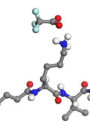
Pep®-Coll (Palmitoyl tripeptide-5)
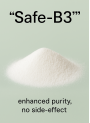
Safe-B3™ (Vitamin B3, Niacinamide)
GlucoBright™ (Acetyl Glucosamine)
Vitamin C (L-ascorbic acid) (Fine)
Light Cream Maker™
Salicylic Acid (BHA, Pharma Grade)
Fractionated Coconut Oil
Disodium EDTA
Sodium Hydroxide
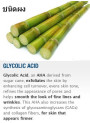
Glycopure™ (Glycolic Acid (AHA) Powder)
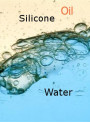
SiliSolve Plus™
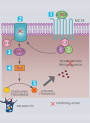
MSH White™ (Undecylenoyl phenylalanine)
Mild Preserved Eco™ (Preservative-Free)
AnyGel™ (Dehydroxanthan Gum)
Deoxyarbutin (D-Arbutin)
X-Glycerin (Polyglycerin-10)
Isopentyldiol
Hyaluronic Acid Gel Base
Citric Acid (Anhydrous, Natural)
SureCream™ (Non-Ionic Cream Maker)
CreamMaker Acid™