Formulation Compatibility and Mixing of Serum Ingredients
Asked by: jutaratw
On: February 11, 2023
Product Type:
Cosmetics
Answered
Question
Can the provided list of ingredients be mixed to create a stable and effective cosmetic formulation, and what are the recommended mixing steps and considerations?
Answer
Formulation Compatibility Analysis
Based on the ingredients provided, this formulation appears generally compatible, but attention to mixing instructions and pH is important.
Here is a breakdown of the ingredients and considerations:
- Rosa Hybrid Cell Extract (2%): Based on our search, an ingredient like Cabbage Rose (Rosa Centifolia) Extract is primarily used for scent and may not offer significant skin efficacy at this percentage. It is water-soluble and can be mixed in the water phase.
- Hyaluronic Acid (1%): This is a common moisturizing ingredient. At 1%, it will significantly increase the viscosity and form a gel. Ensure the Hyaluronic Acid powder is properly dispersed and fully hydrated in the water phase. Using a combination of different molecular weights (like Standard and Large Molecule types) can provide both surface hydration and potentially deeper moisture. The recommended usage rate for individual types is often 0.1-0.5%, so 1% might result in a very thick gel depending on the specific type used.
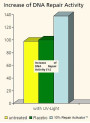
- Repair Activator (15%): Ingredients like Repair Activator™ BG or Repair Activator™ WS (Bifida Ferment Lysate) are compatible with water-based formulations. They should be added in the final phase, avoiding high heat.
- Acetyl Hexapeptide-8 (10%): This peptide is used for its anti-wrinkle properties. It is water-soluble and should be added in the final phase below 40°C. The proposed concentration of 10% is at the higher end of the recommended usage rate (3-10%). The pH of the final formulation should be within the range of 3.5-6.5 for optimal stability.
- Japanese Cedar (1%): Japanese Cedar (Cryptomeria Japonica Bud Extract) is typically used at a recommended rate of 1%, which matches your formula. It should be dispersed in the water phase, and the pH should be between 3.5-6.5.
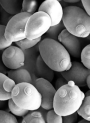
- Saccharomyces Lysate Extract (1%): Ingredients like Dermal Respiratory Factor (Saccharomyces Lysate Extract) are used for anti-aging benefits. The 1% concentration is within the recommended range. It should be mixed with the water portion and added in the final step if the formula is heated.
- Ectoine (2%): Ectoine is a protective and repairing ingredient. The 2% concentration is at the higher end of the recommended usage rate (0.5-2.0%). It is water-soluble and can withstand temperatures up to 80°C, but adding it in the final phase is generally recommended.
- DMI (3%): Dimethyl Isosorbide (DMI) is a penetration enhancer that helps other ingredients absorb better. The 3% concentration is within the recommended range for this purpose (1-10%, recommended 3% for transporting). It is water-soluble and can be mixed in various steps, withstanding heat up to 80°C.
- Xanthan Gum (1%): Xanthan Gum is a thickener. At 1%, it will create a gel texture. It should be properly dispersed in the water phase. Ensure it is fully hydrated to avoid clumps. Xanthan Gum requires a preservative.
- Probio-Protect (2%): Probio-Protect™ (Lactobacillus Ferment Preservative) acts as a preservative and offers moisturizing benefits. The 2% concentration is within the recommended range (0.5-4.0%, recommended 2.0%). It should be dissolved in water, avoiding heat.
- H2O (63%): Water is the base of the formulation.
Mixing Considerations:
- Combine water and disperse Xanthan Gum thoroughly until a gel forms.
- Add Hyaluronic Acid and ensure it is fully dissolved and hydrated.
- Incorporate DMI into the water phase.
- Add Japanese Cedar and Ectoine.
- Gently heat the mixture if necessary for dissolving other ingredients, but keep the temperature below 40°C when adding heat-sensitive ingredients.
- In the final phase, when the temperature is below 40°C, add Repair Activator, Acetyl Hexapeptide-8, Saccharomyces Lysate Extract, Probio-Protect, and Rosa Hybrid Cell Extract.
- Adjust the pH of the final formulation to be within the range of 4.0-5.5, which is suitable for most of the active ingredients, especially the Repair Activator.
Ensure proper mixing techniques are used to fully dissolve and disperse all ingredients, especially powders like Hyaluronic Acid and Xanthan Gum.
This formulation combines several potent anti-aging, hydrating, and protective ingredients. With careful attention to mixing procedures and pH adjustment, this formula should be mixable.
Related Products Mentioned
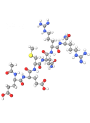
Acetyl Hexapeptide-8 (eq Argireline)
Cosmetics

Ectoine (Ectoin, from Bio-fermentation)
Cosmetics

Dermal Respiratory Factor
Cosmetics
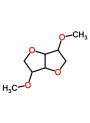
Dimethyl Isosorbide (DMI)
Cosmetics

Cabbage Rose (Rosa Centifolia) Extract
Cosmetics