Formulation Compatibility and Stability Issues
Question
I have put together the following cosmetic formulation. Could you please review its feasibility, compatibility, and stability based on the ingredients and percentages provided?
Alpha Arbutin  (Switzerland)     2 %
ActiveProtec™ OX     0.6 %
Pro Polymer ™ ( Gel Maker )  0.8 %
Double Hyaluron Liquid   0.4 %
Mild Preserved Eco   1 %
Propanediol  (1,3- Propanediol )        2 %
Flora Solve ™ Clear  2 %
PEG-40 Hydrogenated Castor Oil   0.5 %
Ampho-Glycolic   2.5 %
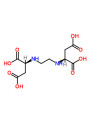
Trisodium Ethylenediamine Disuccinate    0.5 %
Ethoxydiglycol   2 %
chlorphenesin  /  Phenoxyethanol     0.6 %
น้ำกลั่น 0.36/1g     73.1 %
Laurocapram  (Water Soluble)     2 %
Safe-B3 ™ ( Vitamin B3, Niacinamide )    5 %
GlucoBright ™ ( Acetyl glucosamine )     5 %
 รวม 100 %
Answer
Formulation Compatibility Analysis
Based on the list of ingredients and their percentages, it is possible to physically mix these components together. However, formulating a stable and effective product with this specific combination presents significant challenges, primarily due to the conflicting pH requirements of several key ingredients.
Here are the main points to consider:
pH Incompatibility: The most significant issue is the presence of Ampho-Glycolic, which contains Glycolic Acid and has a very low pH (1.5-2.5). Many other beneficial ingredients in the formula, such as Alpha Arbutin, Safe-B3 (Niacinamide), GlucoBright (Acetyl Glucosamine), ActiveProtec OX, Mild Preserved Eco, and Chlorphenesin / Phenoxyethanol, require a higher pH range (typically between 3.5 and 7.0) for optimal stability and efficacy. Mixing ingredients with such drastically different pH requirements can lead to:
- Degradation of pH-sensitive active ingredients, reducing their effectiveness.
- Compromised preservative efficacy, potentially leading to microbial contamination.
- Changes in formula viscosity or appearance.
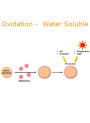
ActiveProtec OX: This antioxidant requires a pH above 4 to be effective, which directly conflicts with the low pH of Ampho-Glycolic.
Pro Polymer (Gel Maker): While Pro Polymer has good electrolyte resistance, the formula contains ingredients that are electrolytes (like Trisodium Ethylenediamine Disuccinate and components in ActiveProtec OX). High levels of electrolytes can affect the gel viscosity, potentially requiring a higher concentration of Pro Polymer or specific mixing techniques (adding electrolytes after the gel is formed).
Heat Sensitivity: Some ingredients like Laurocapram (Water Soluble) and Flora Solve Clear should avoid high heat during processing to maintain their integrity and function. Mild Preserved Eco and other actives also have temperature limitations.
Conclusion:
While the ingredients can be physically combined, achieving a stable, effective, and safe formulation with this exact composition is highly problematic due to the severe pH incompatibility between Ampho-Glycolic and the majority of the other ingredients. Combining Alpha Hydroxy Acids (like Glycolic Acid) with other pH-sensitive actives often requires careful formulation strategies, such as pH adjustment (which may reduce AHA efficacy) or separating these ingredients into different products used at different times.
Therefore, this formulation as listed is likely to be unstable and may not deliver the intended benefits of all the active ingredients simultaneously. It is recommended to adjust the formulation significantly or reconsider the combination of ingredients to ensure compatibility and stability.
Related Products Mentioned
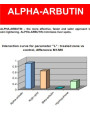
Alpha Arbutin (Switzerland)
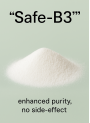
Safe-B3™ (Vitamin B3, Niacinamide)
GlucoBright™ (Acetyl Glucosamine)
Ethoxydiglycol (e.q. Transcutol)
Pro Polymer™ (Gel Maker)
Double Hyaluron Liquid
Mild Preserved Eco™ (Preservative-Free)

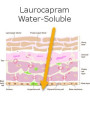
Laurocapram (Water Soluble)