Formulation Compatibility for Acne/Oily Skin Gel
Asked by: plutopon.ntk
On: February 08, 2014
Product Type:
Cosmetics
Answered
Question
How to formulate a gel using an Aloe Vera Gel base with the following ingredients, and are they compatible?
- Vitamin B3 (Niacinamide) 10%
- Vitamin B5 (Panthenol) 5%
- Centella Asiatica Extract 5%
- Green Tea Extract 5%
- Copper Peptide (GHK-Cu) 3%
- Propylene Glycol 2%
- Zinc PCA 1%
The target benefits are acne, oiliness, hydration, and skin barrier support. What are the key considerations for formulation, stability, mixing, and usage?
Answer
Formulation Compatibility Analysis
The combination of ingredients you've proposed is generally compatible in a water-based system like Aloe Vera Gel. Many of these ingredients are commonly used together in skincare formulations targeting concerns like acne, oiliness, hydration, and skin barrier support.
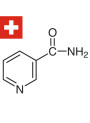
- Vitamin B3 (Niacinamide) 10%: You mentioned a previous comment about the 5% usage limit. While 5% is a common and effective concentration with low risk of irritation, Niacinamide can be used up to 10%. High-purity grades, such as Safe-B3™ or Extreme-B3™, are specifically designed to minimize the flushing or redness sometimes associated with higher concentrations of standard Niacinamide. However, even with high-purity grades, individual skin sensitivity varies, so patch testing is highly recommended, especially at 10%. Niacinamide is water-soluble and works well in the typical pH range for this type of formulation.
- Vitamin B5 (Panthenol) 5%: Panthenol is a great humectant and skin-conditioning agent. It is water-soluble and compatible with the other ingredients. At 5%, it provides good moisturizing and soothing benefits. Higher concentrations can sometimes feel slightly sticky, but this depends on the overall formulation.
- Centella Asiatica Extract 5%: Centella Asiatica Extract (often referred to as CICA) is known for its soothing, anti-inflammatory, and wound-healing properties, which are beneficial for acne-prone skin and reducing redness or scars. Depending on the specific type of extract used (e.g., Centella Asiatica Extract (Madecassoside 90%) or Pure-TECA™), solubility can vary. Some forms are easily water-soluble, while others like TECA are not water or oil soluble and need to be dispersed or dissolved in glycols (like the Propylene Glycol in your formula) with heat. A 5% concentration might be high depending on the solubility of your specific extract type, potentially leading to dispersion issues if not properly handled.
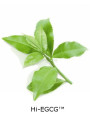
- Green Tea Extract 5%: Green Tea Extract, containing antioxidants like EGCG (Hi-EGCG™ or Pure-EGCG™), offers anti-inflammatory and antioxidant benefits and can help reduce oiliness. It is generally water-soluble. Some forms are sensitive to heat and light and should be added in the final cooling phase of the formulation.
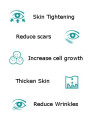
- Copper Peptide (GHK-Cu) 3%: Copper Peptides are known for their skin regeneration and wound-healing properties, potentially helping with acne scars and skin texture. They are water-soluble and should be added in the final step below 40°C to maintain stability. The recommended usage rate for the Copper Peptide (GHK-Cu, 1000ppm Solution) is typically 1-3%, so 3% is at the higher end but within the suggested range for this specific solution type. If using a powder form like Copper Peptide (GHK-Cu Copper Tripeptide-1, 1:1) Powder), the recommended rate is much lower (0.01-1%). Ensure you are using a type suitable for a 3% concentration. Copper Peptides are sensitive to low pH and certain chelating agents like Disodium EDTA (which is not in your list, so that's good). The optimal pH range is typically 4.5-7.4.
- Propylene Glycol 2%: This is a common humectant and solvent that helps dissolve or disperse other ingredients and adds moisture. It is compatible with the other components.
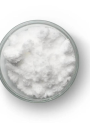
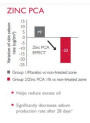
- Zinc PCA 1%: Zinc PCA is excellent for reducing oiliness and has some antibacterial properties, making it suitable for acne-prone skin. It is water-soluble and the 1% concentration is within the typical usage range for oil control. It is most soluble in a pH range of 4-6.
Summary:
The ingredients in your formulation are generally compatible chemically and functionally for a gel-based product targeting concerns like acne, oiliness, and skin repair. The main points to consider are:
- Niacinamide Concentration: While 10% is possible, especially with high-purity grades, always perform a patch test due to potential irritation.
- Centella Asiatica Extract Solubility: Ensure the specific type of Centella extract you are using is soluble or dispersible at a 5% concentration in your gel base, potentially utilizing the Propylene Glycol.
- Copper Peptide Concentration: Confirm the type of Copper Peptide used is suitable for a 3% concentration (e.g., a solution form).
- Mixing Procedure: Add heat-sensitive ingredients like Copper Peptide and Green Tea Extract in the final cooling phase (below 40°C).
- pH: Aim for a final pH that is compatible with all ingredients, ideally in the range of 4.5-6.5, which suits most components listed.
- Patch Testing: Always test the final formulation on a small area of skin before widespread use.
Related Products Mentioned
Safe-B3™ (Vitamin B3, Niacinamide)
Cosmetics
Zinc PCA
Cosmetics
Hi-EGCG™ (Green Tea Extract)
Cosmetics
Pure-EGCG™ (Green Tea Extract, 98% EGCG)
Cosmetics