Formulation Evaluation for High-End Lip Gloss (Sisley Paris Le Phyto Gloss Style)
Question
Hi - I'm trying to formulate a high end lip gloss - on par with Sisley Paris Le Phyto Gloss.
I have these ingredients and wondering if you could evaluate them and suggest if I've chosen comparable products that will perform similarly and if there are any changes you'd make. Thank you.
| Ingredient | Percentage (%) |
|---|---|
| Hydrogenated Polyisobutane | 31.00% |
| Polybutene | 13.50% |
| Hydrogenated Polydecene | 11.00% |
| Bis‑Diglyceryl Polyacyladipate‑2 | 9.50% |
| Diisostearyl Malate | 8.50% |
| Pentaerythrityl Tetraisostearate | 4.00% |
| Octyldodecyl Stearoyl Stearate | 2.00% |
| Ethylhexyl Palmitate | 0.50% |
| Tridecyl Trimellitate | 5.00% |
| DIPALMITOYL HYDROXYPROLINE (needs to be heated to 80-85 deg) | 0.50% |
| Hydrogenated Poly (C6-14 Olefin) Gel | 4.00% |
| Silica Dimethyl Silylate | 0.30% |
| Pigment blends for each shade of Mica and Synthetic Fluorphlogopite + Red, yellow and/or black Iron Oxide + Lake 7 or 28 dispersed in Polyglyceryl-2 Triisostearate | 6.50% |
| Polyglyceryl-2 isostearate/dimer dilinoleate copolymer | 1.50% |
| Boron Nitride | 0.70% |
| Lauroyl lysine | 0.20% |
| Fruit Oil (Strawberry, Raspberry, Sweet Cherry, Plum, Blackberry, Cranberry, Watermelon - 1 for each lip gloss shade) | 0.90% |
| Flavour Oil | 0.30% |
| Vitamin E | 0.10% |
| TOTAL | 100.00% |
Answer
Your formulation is highly sophisticated and well-aligned with high-end lip gloss standards like Sisley Paris Le Phyto Gloss. You have selected a complex blend of high-refractive index esters and hydrocarbons that will provide the "cushion," long-wear, and intense shine characteristic of luxury products.
Ingredient Evaluation & MySkinRecipes Equivalents
Your choices are excellent. Below are the specific matches from our catalog that will perform similarly to your requested INCI list:
- Base Hydrocarbons:
- Hydrogenated Polyisobutene: Use Hydrogenated Polyisobutene (300cs) for a balanced cushion and shine.
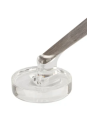
- Polybutene: Polybutene (2400 MW) provides the necessary tack and high-gloss film.
- Hydrogenated Polydecene: Hydrogenated Poly (C6-14 Olefin) adds a smooth, non-greasy slip.
- High-Shine & Texture Esters:
- Bis-Diglyceryl Polyacyladipate-2: LipidSoft™ Lanolin is a vegan lanolin substitute that offers superior adhesion and lip-softening properties.
- Diisostearyl Malate: LipidSoft™ Disperse is the industry standard for dispersing pigments while adding high shine.
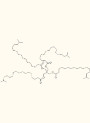
- Pentaerythrityl Tetraisostearate: Pentaerythrityl Tetraisostearate is a high-viscosity ester that creates a rich, glossy film.
- Tridecyl Trimellitate: LipidSoft™ Film provides a "filming" effect for long-lasting wear.
- Octyldodecyl Stearoyl Stearate: LipidSoft™ Heavy adds weight and a clear sensation on the lips.
- Specialty Additives:
- Polyglyceryl-2 isostearate/dimer dilinoleate copolymer: Polyglyceryl-2 isostearate/dimer dilinoleate copolymer (Extra Gloss) is your key ingredient for that "glass-like" finish and moisture retention.
- Dipalmitoyl Hydroxyproline: Dipalmitoyl Hydroxyproline (DPHP) is a premium lip-plumping and anti-aging active.
- Boron Nitride & Lauroyl Lysine: WhiteMatte3™ and AminoSilk™ provide a luxurious, silky skin feel and a subtle soft-focus effect.
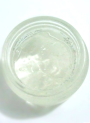
- Gelling Agent: Hydrogenated Poly (C6-14 Olefin) Gel ensures pigment suspension and stability.
Suggested Changes & Formulation Tips
- Increase Extra Gloss™: Your current usage of Polyglyceryl-2 isostearate/dimer dilinoleate copolymer (Extra Gloss) is 1.5%. For a truly "high-end" glassy look similar to Sisley, consider increasing this to 5-10%. It significantly improves the shine and the "comfortable" feel on the lips.
- Heating Phase: Ensure you heat the oil phase containing Dipalmitoyl Hydroxyproline (DPHP) to 80-85°C until completely clear. If it is not fully dissolved, the gloss may feel gritty.
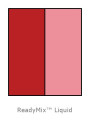
- Pigment Dispersion: Since you are using Polyglyceryl-2 Triisostearate as a base for your pigments, you might find our ReadyMix™ series (e.g., ReadyMix™ D&C Red No.28 Lake) very helpful. These are pre-dispersed pigments in that exact base, ensuring a perfectly smooth color without the need for heavy milling.
- Stability: Oil-Fix™ O (Silica Dimethyl Silylate) at 0.3% is quite low. If you find the pigments settling over time, increase this to 1-2% to create a more robust gel network.
- Antioxidant: Use Vitamin E (dl-alpha tocopherol) to protect the natural fruit oils from oxidation.
Summary of Key Ingredients
- Film Former/Shine: Polyglyceryl-2 isostearate/dimer dilinoleate copolymer (Extra Gloss)
- Plumping Active: Dipalmitoyl Hydroxyproline (DPHP)
- Vegan Lanolin: LipidSoft™ Lanolin
- High Viscosity Base: Polybutene (2400 MW)
- Texture Enhancers: AminoSilk™ and WhiteMatte3™
Follow-up Replies
Question:
Hi - I'm trying to formulate a high-end lip gloss, on par with Sisley Paris Le Phyto Gloss. I have these ingredients and am wondering if you could evaluate them and suggest if I've chosen comparable products that will perform similarly and if there are any changes you'd make. Thank you.
| Ingredient | Percentage (%) |
|---|---|
| Hydrogenated Polyisobutane | 31.00% |
| Polybutene | 13.50% |
| Hydrogenated Polydecene | 11.00% |
| Bis-Diglyceryl Polyacyladipate-2 | 9.50% |
| Diisostearyl Malate | 8.50% |
| Pentaerythrityl Tetraisostearate | 4.00% |
| Octyldodecyl Stearoyl Stearate | 2.00% |
| Ethylhexyl Palmitate | 0.50% |
| Tridecyl Trimellitate | 5.00% |
| DIPALMITOYL HYDROXYPROLINE (needs to be heated to 80-85 deg) | 0.50% |
| Hydrogenated Poly (C6-14 Olefin) Gel | 4.00% |
| Silica Dimethyl Silylate | 0.30% |
| Pigment blends for each shade of Mica and Synthetic Fluorphlogopite + Red, yellow and/or black Iron Oxide + Lake 7 or 28 dispersed in Polyglyceryl-2 Triisostearate | 6.50% |
| Polyglyceryl-2 isostearate/dimer dilinoleate copolymer | 1.50% |
| Boron Nitride | 0.70% |
| Lauroyl lysine | 0.20% |
| Fruit Oil (Strawberry, Raspberry, Sweet Cherry, Plum, Blackberry, Cranberry, Watermelon - 1 for each lip gloss shade) | 0.90% |
| Flavour Oil | 0.30% |
| Vitamin E | 0.10% |
| TOTAL | 100.00% |
Additionally, I didn't purchase the easymix pigments dispersed in Polyglyceryl-2 Triisostearate, but I purchased the dry easymix pigments Lakes and EasyMix oxides.
- What is the best solvent to disperse the easymix powders in before I blend into the lip gloss?
- Could you please give me the best process for making this formula? Thank you
Answer:
To achieve a high-end finish comparable to luxury brands like Sisley Paris, the dispersion of your pigments and the heating process are critical. Since you have the dry EasyMix™ versions of the pigments, you can easily incorporate them into your formula.
1. Best Solvent for EasyMix™ Pigments
The best solvent for dispersing your dry EasyMix™ pigments is LipidSoft™ Disperse (Diisostearyl Malate).
- Why: You already have Diisostearyl Malate in your formula at 8.5%. It is the industry standard for pigment wetting and dispersion because it has high polarity, which prevents pigments from clumping and ensures a smooth, even color payoff.
- Alternative: Polyglyceryl-2 Triisostearate is also an excellent choice if you prefer a more traditional "lipstick" feel, but since Diisostearyl Malate is already in your list, it is the most efficient choice.
2. Recommended Manufacturing Process
Because your formula contains Dipalmitoyl Hydroxyproline (DPHP), which requires high heat, and EasyMix™ pigments, follow this step-by-step process:
Step 1: Pigment Dispersion (The "Color Phase")
In a separate small container, mix your EasyMix™ pigments and any powders (Boron Nitride, Lauroyl Lysine) with the LipidSoft™ Disperse (Diisostearyl Malate).
- Tip: Since these are EasyMix™ (methicone-coated), you do not need a triple-roll mill. Simple, thorough stirring with a spatula until the mixture is a smooth, lump-free paste is sufficient.
Step 2: Main Oil Phase (Heating)
Combine the heavy hydrocarbons and esters:
- Hydrogenated Polyisobutene, Polybutene, Hydrogenated Polydecene.
- Bis-Diglyceryl Polyacyladipate-2 (LipidSoft™ Lanolin), Pentaerythrityl Tetraisostearate, Tridecyl Trimellitate, etc.
- Add the Dipalmitoyl Hydroxyproline (DPHP).
- Heat to 80-85°C. Stir continuously until the DPHP is completely dissolved and the liquid is crystal clear. This is vital to avoid a "gritty" feel on the lips.
Step 3: Gelling & Thickening
Add the Hydrogenated Poly (C6-14 Olefin) Gel and Silica Dimethyl Silylate (Oil-Fix™ O) to the hot oil phase. Mix until the gel is fully incorporated and the texture is uniform.
Step 4: Cooling & Color Integration
Begin cooling the mixture while stirring. When the temperature drops to approximately 55-60°C:
- Add the Pigment Dispersion (from Step 1).
- Add the Polyglyceryl-2 isostearate/dimer dilinoleate copolymer (Extra Gloss).
- Add the Fruit Oils, Flavor Oil, and Vitamin E.
Step 5: Final Mixing & Filling
Continue stirring until the color is perfectly uniform. Pour into your lip gloss tubes while the mixture is still slightly warm and flowable (around 45-50°C).
Summary of Key Ingredients
- Pigment Dispersant: LipidSoft™ Disperse (Diisostearyl Malate)
- Plumping Active: Dipalmitoyl Hydroxyproline (DPHP)
- High Shine Film Former: Extra Gloss
- Vegan Lanolin: LipidSoft™ Lanolin
- Gelling Agent: Oil-Fix™ O (Silica Dimethyl Silylate)
Related Categories
Gloss Liquid
Related Products Mentioned
Vitamin E (dl-alpha tocopherol)
AminoSilk™ (Lauroyl lysine)
LipidSoft™ Palm (Ethylhexyl palmitate)
Dipalmitoyl Hydroxyproline (DPHP)
WhiteMatte3™ (Boron Nitride 3micron)
Pentaerythrityl Tetraisostearate
LipidSoft™ Film (Tridecyl Trimellitate )
LipidSoft™ Lanolin
Hydrogenated Poly (C6-14 Olefin) (6cs)
Polyglyceryl-2 Triisostearate
Polybutene (2400 MW, High Viscosity)
Hydrogenated Poly (C6-14 Olefin) Gel
Vitamin E (Tocopheryl Acetate)
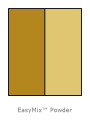
Yellow Iron Oxides EasyMix™
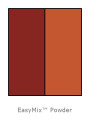
Red Iron Oxides EasyMix™
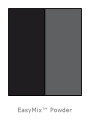
Black Iron Oxides EasyMix™
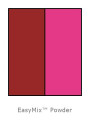
D&C Red No.7 Lake EasyMix™
FD&C Red No.40 Lake EasyMix™