Formulation Feasibility and pH Compatibility for High-Active Serum
Question
If mixing the following formulation, is it possible?
Active Ingredients
- Galactomyces 50%
- Hyaluronic Solution 15%
- Niacinamide 5%
- Magnesium Ascorbyl Phosphate 5%
- Acetyl glucosamine 4%
- Zinc PCA 1%
Desired Texture: Serum, clear or cloudy gel (light, fast absorption)
Skin Type: Combination (oily T-zone, dry U-zone) to oily skin
Expected Results: Brightening, plump skin, reduction of acne scars/marks, and oil control.
Answer
Formulation Feasibility Analysis
Based on the ingredients and percentages you've provided, while the combination targets your desired skin concerns (brightening, hydration, anti-aging, oil control), there are significant formulation challenges, primarily related to pH compatibility and the high total active concentration.
Here's a breakdown:
- Galactomyces Ferment Filtrate (50%): The recommended usage rate is 1-100%. 50% is within this range, although the product description notes that high doses might feel greasy. It is stable in a pH range of 4-7.
- Hyaluronic Solution (Double Hyaluron Liquid, 15%): The recommended usage rate for this 5% Hyaluronic Acid liquid is 1-20%. 15% is within this range and suitable for dry skin. It is stable in a pH range of 3-9.
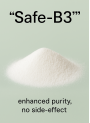
- Niacinamide (Safe-B3™, 5%): The recommended usage rate is 1-10%, with Safe-B3™ being usable up to 10% without significant flushing. 5% is a common and effective concentration. It is stable in a pH range of 3-8, with optimal performance at pH 4.0-7.0.
- Magnesium Ascorbyl Phosphate (MAP, 5%): The recommended usage rate is 0.5-10%, with 3% being recommended and potential dissolution issues above 8%. 5% is within the range but note the dissolution comment. Crucially, MAP requires an alkaline pH range of 7-9 for stability, with optimal stability at pH 7-8. It also requires the addition of Disodium EDTA for stability.
- Acetyl Glucosamine (GlucoBright™, 4%): The recommended usage rate is 1-8%, with 4% recommended in combination with Niacinamide. This concentration is appropriate. It is stable in a pH range of 3-7.
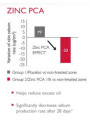
- Zinc PCA (1%): The recommended usage rate is 0.2-1.0%, with 1.0% suitable for oily skin and reducing acne breakouts. This concentration is appropriate for your skin type and goals. It is highly soluble when the formula's pH is in the range of 4-6 and stable in a pH range of 3-7.
Key Challenges
- pH Incompatibility: The most significant issue is the conflict in optimal pH ranges. Magnesium Ascorbyl Phosphate (MAP) requires a pH of 7-9 for stability, while Niacinamide, Acetyl Glucosamine, and Zinc PCA function optimally and are most stable in a more acidic to neutral range (generally pH 4-7, ideally lower for Niacinamide and Zinc PCA). Formulating at a pH suitable for MAP will likely lead to the degradation or reduced efficacy of the other ingredients, and vice versa.
- High Active Concentration: The total concentration of active ingredients is very high (80%). While some are liquids, combining this many actives at high percentages can be challenging for achieving a stable, desirable texture (light gel/serum) and may increase the risk of skin irritation, especially for sensitive skin areas.
Conclusion
Directly combining all these ingredients at the specified percentages in a single stable and effective formulation is not recommended due to the fundamental pH incompatibility between Magnesium Ascorbyl Phosphate and the other active ingredients.
Recommendations
To achieve the desired results, consider these alternative approaches:
- Option 1: Choose a Different Vitamin C Form: Replace Magnesium Ascorbyl Phosphate with a form of Vitamin C that is stable at a lower pH, compatible with Niacinamide, Acetyl Glucosamine, and Zinc PCA. Examples include Ethyl Ascorbic Acid or Ascorbyl Glucoside. You could then formulate a single serum containing all compatible actives.
Option 2: Create Two Separate Products: Formulate two different serums:
- Serum 1: Contains Magnesium Ascorbyl Phosphate (at pH 7-9) for brightening.
- Serum 2: Contains Galactomyces, Hyaluronic Solution, Niacinamide, Acetyl Glucosamine, and Zinc PCA (formulated at a compatible pH, likely in the 4-6 range) for hydration, anti-aging, oil control, and complementary brightening effects.
This allows each active to be in its optimal environment for stability and efficacy.
Option 3: Adjust Concentrations: Even if using compatible ingredients, consider slightly lower concentrations for some actives, especially Galactomyces, if you aim for a very light texture and to minimize potential tackiness or greasiness at 50%.
By addressing the pH compatibility issue, you can create a more stable and effective product that delivers the desired benefits for your skin type.
Related Products Mentioned
Safe-B3™ (Vitamin B3, Niacinamide)
GlucoBright™ (Acetyl Glucosamine)
Zinc PCA
Double Hyaluron Liquid