Formulation Feedback for Face Cream and Lotion (Texture, Stability, Ingredient Usage)
Asked by: jittratk54
On: July 17, 2014
Product Type:
Cosmetics
Answered
Question
Based on my formulations below, I need feedback on potential issues, especially regarding texture, stability, and ingredient usage.
Face Cream (Brightening, Oily/Dehydrated, Dark Spots):
- Oil Phase (8%): Shea Butter (Ultra Soft) 3%, Coenzyme Q10 5% (assuming oil-soluble powder)
- Active Ingredients: Alpha Arbutin 2%, Acetyl Glucosamine 4%, Niacinamide 3%, Centella (Madecassoside) 2%, Coenzyme Q10 5%
- Emulsifier: Light Cream Marker
- Specific concerns: Is the oil phase sufficient? Will the texture be too rich/sticky with Shea Butter? Is 5% Coenzyme Q10 (oil-soluble powder) appropriate? What is the optimal pH range?
Moisturizing Lotion:
- Ingredients mentioned in the context: Sodium Lactate, Urea 5%, Green Tea Extract 5%, Light Cream Marker 1%.
- Specific concerns: Is 1% Light Cream Marker sufficient with Sodium Lactate and Urea? Should I add Disodium EDTA? Is 5% Urea appropriate for general moisturizing? Are there alternatives for hydration like Sodium PCA or Natural Moisturizing Amino Acids? Are there stability issues with Green Tea Extract?
Answer
Formulation Feedback
Face Cream (Brightening, Oily/Dehydrated, Dark Spots)
Your initial formula had an insufficient oil phase for a cream texture. Your proposed modification to add 3% Shea Butter (Ultra Soft) and increase Coenzyme Q10 to 5% (assuming oil-soluble powder) results in an 8% oil phase, which should allow for emulsification into a cream.
- Texture: With an 8% oil phase including Shea Butter, the cream will feel moisturizing. While Shea Butter (Ultra Soft) is processed for a better feel, it's still an oil, so it might feel richer than a very light cream, but should not be excessively sticky. The final feel will depend on the specific "Light Cream Marker" emulsifier you are using.
- Active Ingredients:
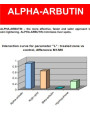
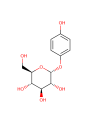
- Alpha Arbutin (2%), Acetyl Glucosamine (4%), and Niacinamide (3%) are excellent choices for brightening and addressing dark spots, working synergistically.
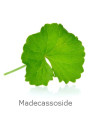
- Centella (Madecassoside) (2%) is great for soothing and skin repair.
- Coenzyme Q10 (5%): Please verify the recommended usage rate for the specific type of Coenzyme Q10 you are using. If it is the oil-soluble powder form, 5% is significantly higher than the typical recommended rate (0.01-0.5%). Using a water-soluble form or adjusting the percentage based on the product's specifications is advised.
- pH: Ensure the final pH of the cream is between 4.0-6.5 for optimal stability and efficacy of the active ingredients like Alpha Arbutin, Niacinamide, and Madecassoside.
Moisturizing Lotion
Your lotion formula is structurally sound but requires adjustment of the emulsifier.
- Disodium EDTA: It is highly recommended to add Disodium EDTA (0.1-0.2%) if you are not using distilled water. This helps stabilize the formula by chelating metal ions that can interfere with ingredients like Sodium Lactate and Green Tea Extract.
- Emulsifier (Light Cream Marker): As noted by the staff, 1% Light Cream Marker is likely insufficient due to the presence of ingredients like Sodium Lactate and Urea that can reduce viscosity. You should gradually increase the amount of Light Cream Marker (likely needing 2-3%) while mixing until you achieve the desired lotion consistency and stability.
- Urea (5%): 5% Urea is effective for moisturizing. If your skin is not very dry, you might find a lower percentage sufficient, or consider incorporating other NMF components like Sodium PCA or Natural Moisturizing Amino Acids for a more balanced hydration profile, as suggested in the feedback.
- Green Tea Extract (5%): If using Hi-EGCG™ (Green Tea Extract), 5% is within the recommended range for antioxidant benefits. Please note that Green Tea Extract can be sensitive to light and metal ions.
Always perform small test batches and stability testing for your formulations.
Related Products Mentioned
Alpha Arbutin (Switzerland)
Cosmetics
Safe-B3™ (Vitamin B3, Niacinamide)
Cosmetics
GlucoBright™ (Acetyl Glucosamine)
Cosmetics
Propylene Glycol (USP)
Cosmetics
Sodium Lactate (60% Liquid, Natural)
Cosmetics
Urea (High Purity, Cosmetics, Powder)
Cosmetics
Phenoxyethanol (Extra Pure)
Cosmetics
Sodium PCA 50%
Cosmetics
Disodium EDTA
Cosmetics
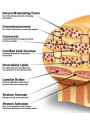
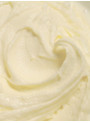
Shea Butter (Ultra Soft)
Cosmetics
HYDRO-UREA® Liquid (Hydroxyethyl Urea)
Cosmetics
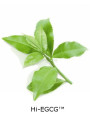
Hi-EGCG™ (Green Tea Extract)
Cosmetics

Coenzyme Q10 (98%, Powder, Oil-Soluble)
Cosmetics

Phenoxyethanol SA (eq. Optiphen Plus)
Cosmetics
Sodium Lactate Plus
Cosmetics

Pure-EGCG™ (Green Tea Extract, 98% EGCG)
Cosmetics
Alpha Arbutin (China, Crystal Form)
Cosmetics
Phenoxyethanol P5
Cosmetics