Formulation Feedback for Oily Skin, Acne, and Dark Spots: Texture and Ingredient Questions
Question
I am developing cosmetic formulations for specific skin concerns and would like feedback. I have proposed three formulas:
- Toner for Acne:
- Encapsulated Salicylic Acid (BHA, Timed-Release) 5%
- Water
- Formula for Oil Control, Dark Spots, Pores, Dull Skin:
- Zinc PCA 1%
- Vitamin B3 (Niacinamide) Ultra-Low Niacin 5%
- Glucosamine (N-acetyl-D) 4%
- Licorice Extract 1%
- MSM 2%
- L-Carnitine 3%
- Green Tea Extract (EGCG) 5%
- Water
- Pro Polymer 1% (for texture)
- Formula for Melasma:
- Tranexamic Acid 3%
- DMAE Bitartrateชนิดเหลว 4%
Based on the initial feedback recommending I focus on the first two formulas first, I have some questions, specifically regarding the second formula:
- If I want a non-sticky, fast-absorbing cream texture for the second formula, which ingredients should I add and at what percentage?
Answer
Formulation Feedback and Suggestions
Hello!
Based on the feedback from the staff and the details of the ingredients, here are some points regarding your proposed formulations for oily skin, acne, dark spots, and melasma:
Formula 1: Toner for Acne
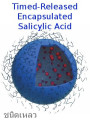
- Encapsulated Salicylic Acid (BHA, Timed-Release) 5%
- Water
The staff mentioned this formula is suitable as a toner. However, based on the product description for the Encapsulated Salicylic Acid you listed (Product ID 229), this specific type is designed for wash-off products (like cleansers), not leave-on toners. To make a toner that stays on the skin, you would need to use a different type of Salicylic Acid or Encapsulated Salicylic Acid specifically formulated for leave-on products. The percentage you used (5% of the Encapsulated Salicylic Acid product, which is 1.5% active Salicylic Acid) is within typical ranges, but ensure you select a leave-on compatible ingredient.
Formula 2: Oil Control, Dark Spots, Pores, Dull Skin
- Zinc PCA 1%
- Vitamin B3 (Niacinamide) Ultra-Low Niacin 5%
- Glucosamine (N-acetyl-D) 4%
- Licorice Extract 1%
- MSM 2%
- L-Carnitine 3%
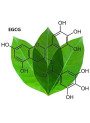
- Green Tea Extract (EGCG) 5%
- Water
- Pro Polymer 1% (for texture)
The staff confirmed that the ingredients and their percentages in this base formula are suitable. Regarding the texture:
- You asked about a non-greasy, fast-absorbing cream texture. The staff recommended using Pro Polymer at 1% to create a gel texture for this formula, as it contains no oils. A 1% concentration of Pro Polymer typically results in a general gel texture. If you desire a thicker, more cream-like texture, you might need to increase the percentage of Pro Polymer. Keep in mind that Zinc PCA is an electrolyte, which can sometimes affect the viscosity created by Pro Polymer, potentially requiring a slightly higher amount of Pro Polymer to achieve the desired thickness.
- Based on the product description for Green Tea Extract (EGCG) (Product ID 2156), the recommended maximum usage rate is 2%. Your proposed 5% is above this recommendation. It would be advisable to reduce the concentration of Green Tea Extract (EGCG) to 2% or less to stay within the recommended usage guidelines for that specific ingredient.
Formula 3: Melasma
- Tranexamic Acid 3%
- DMAE Bitartrateชนิดเหลว 4%
As the staff advised, it is recommended to focus on addressing the oiliness, pores, and acne issues with the first two formulas first. Once your skin is more stable, you can then consider incorporating a formula specifically for melasma and dark spots like this one. The concentration of Tranexamic Acid at 3% is the maximum allowed for cosmetic products.
Overall, your initial formulations are a good starting point, with key feedback being the type of Salicylic Acid used in the toner and the percentage of Green Tea Extract (EGCG) in the second formula. Focusing on the first two formulas as recommended by the staff is a sensible approach for managing your skin concerns.
Related Products Mentioned
Safe-B3™ (Vitamin B3, Niacinamide)
GlucoBright™ (Acetyl Glucosamine)
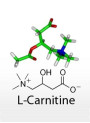
L-Carnitine (Carnitine)

Pure MSM™ (Methylsulfonylmethane)
Pro Polymer™ (Gel Maker)
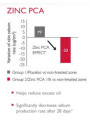
Zinc PCA
Tranexamic Acid (Trans-White™)