Formulation Feedback for Severe Dry Skin/Eczema Lotion
Question
I am trying to formulate a lotion for my children who have severe dry skin, eczema, and atopic dermatitis. I have put together a potential formula using several ingredients known to be beneficial. Could you please review this list of ingredients and provide feedback on its feasibility and effectiveness for treating these conditions?
The ingredients I plan to use are:
- Ceramide Complex (CeraTouch™)
- Cholesterol
- Shea Butter
- Allantoin
- Hyaluronic Acid (Standard Molecule)
- Urea
- Sodium Lactate
- Sodium Lactate Plus
- Natural Moisturizing Amino Acids
- Vitamin C (L-ascorbic acid)
- Vitamin B12 (from a 1% solution)
- Licorice Extract (Licochalcone A)
- Phyto Glycyrrhetinic Acid
- Phenoxyethanol
Answer
Formulation Advice for Severe Dry Skin and Eczema
Thank you for providing your proposed lotion formulation for very dry skin with eczema and atopic dermatitis. It's understandable that you want to create a supportive product for your children's severe symptoms.
Upon reviewing the list of ingredients and their percentages, I have identified some potential challenges and areas for adjustment:
Evaluation of Your Proposed Formula
Your list includes many ingredients known to be beneficial for dry and irritated skin, such as:
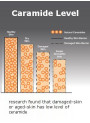
- Ceramide Complex (CeraTouch™): Essential for restoring the skin barrier.
- Cholesterol: Works synergistically with ceramides and fatty acids to repair the skin barrier.
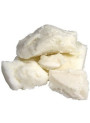
- Shea Butter: A rich emollient providing moisture and helping with dry skin and eczema.
- Allantoin: Known for reducing irritation and supporting tissue repair.
- Hyaluronic Acid (Standard Molecule): Provides hydration to the outer layers of the skin.
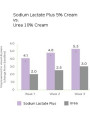
- Urea: A highly effective moisturizer, and at higher concentrations, can help with exfoliation of dry, flaky skin.
- Sodium Lactate and Sodium Lactate Plus: Humectants that help retain moisture.
- Natural Moisturizing Amino Acids: Mimic the skin's natural moisturizing factors.
- Licorice Extract (Licochalcone A) and Phyto Glycyrrhetinic Acid: Known for their anti-inflammatory and anti-irritant properties.
However, combining these ingredients into a stable and effective lotion presents several formulation challenges:
- Incompatible Mixing Requirements: Ingredients like Cholesterol require very high temperatures (above 150°C) to dissolve in the oil phase, while others such as Ceramide Complex (below 40°C), Vitamin C (below 30°C), Hyaluronic Acid (below 70°C), Natural Moisturizing Amino Acids (avoid heat), Sodium Lactate, and Sodium Lactate Plus (up to 60°C) require much lower temperatures. Mixing these in a single process while maintaining the integrity and function of all ingredients is extremely difficult, if not impossible.
- Ingredient Concentrations: Some ingredients are proposed at concentrations outside the typical or recommended usage rates based on their product descriptions. For example, Natural Moisturizing Amino Acids are listed at 10%, while the recommended rate for skin is 3-5%. The high percentage of Vitamin B12 (6% of a 1% solution) is also unusual, and its specific cosmetic benefit at this concentration is not clearly defined in the product information.
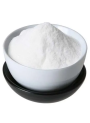
- Stability Issues: Vitamin C (L-ascorbic acid) is inherently unstable in water and requires a low pH (2.0-4.0) and specific handling. Urea can cause the pH of a formulation to rise over time, which could negatively impact the stability of Vitamin C and potentially other ingredients.
- Preservation: The proposed concentration of Phenoxyethanol (0.1%) is below the generally recommended range (0.5-1.0%) for effective preservation and may not adequately protect the product from microbial growth, especially given the high water content and presence of many ingredients that could support microbial life.
Recommendations
Given the complexity and potential compatibility issues of your proposed formula, and especially considering the severity of your children's skin condition, it would be more advisable to focus on simpler formulations with ingredients known to be highly effective and compatible for repairing the skin barrier and providing intense hydration for eczema-prone skin.
Key ingredients to prioritize for severe dry skin and eczema include Ceramides, Cholesterol, and Fatty Acids (like Shea Butter or other beneficial oils) in appropriate ratios to mimic the skin's natural lipid structure. Humectants like Urea, Sodium Lactate, Sodium Lactate Plus, and Natural Moisturizing Amino Acids are also excellent for boosting hydration. Anti-inflammatory ingredients such as Licorice Extract (Licochalcone A) and Glycyrrhetinic Acid can help soothe irritation and redness.
The staff's suggestion of the Cholesterol/Palmitamide MEA/Ceramide Cream formula is a good example of a targeted approach focusing on key skin barrier repair components (Ceramides, Cholesterol) along with an ingredient known for reducing irritation (Palmitamide MEA). Exploring established formulations or focusing on a smaller number of highly effective and compatible ingredients at recommended concentrations would likely yield a more stable, safe, and effective product for your children.
Creating stable cosmetic emulsions requires specific emulsifiers, thickeners, and careful processing techniques that were not included in your list. It is highly recommended to follow tested formulations or consult with a cosmetic chemist when dealing with severe skin conditions like atopic dermatitis to ensure the product is safe, stable, and effective.
Related Products Mentioned
Ceramide Complex (CeraTouch™, Cream)

Allantoin
Shea Butter (Refined , Deodorised)
Vitamin C (L-ascorbic acid) (Fine)
Sodium Lactate (60% Liquid, Natural)
Urea (High Purity, Cosmetics, Powder)
Phenoxyethanol (Extra Pure)
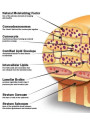
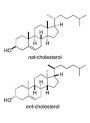
Cholesterol (95%, NF, Fine Powder)

Phyto Glycyrrhetinic Acid
Palmitamide MEA