Formulation Feedback: Oil Blend (Bio-oil comparison) & Sunscreen (Texture/Clogging)
Question
I have two formulations I'd like feedback on:
1. Oil Blend Formulation (similar to Bio-oil)
My formula includes:
- Avocado Oil
- Sweet Almond Oil
- Shea Butter Light Oil
- Rose Hip Oil
- LipidSoft™ CC
- Calendula Extract (Water Soluble)
- Phenoxyethanol
- Lavender Oil
- Alpha Bisabolol
- Vitamin A
- Rosemary Oleoresin
I'd like feedback on this formulation, how it compares to Bio-oil, and if the preservative (Phenoxyethanol) is necessary or can be reduced in an all-oil base. I'm also interested in the cost.
- (Note: I understand you are currently selecting Calendula Oil with high Lutein levels for future stock.)*
2. Sunscreen Formulation
My formula includes:
- Distilled water
- SPF Protect Ultra
- AminoSilk™
- Phenoxyethanol
- Pro Polymer
- Disodium EDTA
Can this formula be made into a gel texture? I am also concerned about whether this formulation might cause clogged pores.
Answer
Formulation Feedback and Adjustments
You've shared two interesting formulations and asked for feedback, comparing the oil blend to Bio-oil and inquiring about the sunscreen's texture and potential for clogging.
Oil Blend Formulation
Your revised oil blend formulation includes:
- Avocado Oil
- Sweet Almond Oil
- Shea Butter Light Oil
- Rose Hip Oil
- LipidSoft™ CC
- Calendula Extract (Water Soluble)
- Phenoxyethanol
- Lavender Oil
- Alpha Bisabolol
- Vitamin A
- Rosemary Oleoresin
This formula incorporates several beneficial oils and active ingredients. Comparing it to Bio-oil, your revised formula now includes key components similar to those found in Bio-oil, such as Vitamin A (Retinyl Palmitate), a form of Calendula (though the water-soluble extract is different from the oil form found in Bio-oil), and Alpha Bisabolol (similar to Chamomile Oil). This makes your formula more comparable in terms of targeting similar skin concerns like scars and uneven skin tone.
Regarding adjustments, the staff correctly pointed out that since your formula is entirely oil-based, microbial growth is unlikely. Therefore, you could potentially omit the preservative (Phenoxyethanol) entirely or reduce it significantly (e.g., to 0.1%) as a precaution, depending on your packaging and handling. Removing or reducing the preservative would also help lower the overall cost.
The price of your formulation will depend on the specific grades and suppliers of each ingredient. However, including multiple specialty oils and active ingredients like Vitamin A, Alpha Bisabolol, and LipidSoft CC will naturally contribute to a higher cost compared to simpler oil blends.
It's worth noting that the staff mentioned they plan to stock Calendula Oil in the future, which is considered more effective than the water-soluble extract you currently have, and is a key ingredient in Bio-oil.
Sunscreen Formulation
You also shared a sunscreen formula:
- Distilled water
- SPF Protect Ultra
- AminoSilk™
- Phenoxyethanol
- Pro Polymer
- Disodium EDTA
You asked if this formula could be a gel and expressed concern about clogged pores. The staff advised that this formula, particularly with the inclusion of Pro Polymer, will result in a cream texture (specifically, a white-yellow cream) rather than a true gel. Pro Polymer is a gel maker, but in this composition with a significant oil phase (from SPF Protect Ultra) and other ingredients, it functions more to stabilize and thicken the emulsion into a cream.
To achieve a true gel texture, you would typically need to use gelling agents specifically designed for creating clear or translucent gels, often water-based gelling agents if the continuous phase is water, or specific oil gelling agents if it's oil-based. The current formula structure lends itself to an emulsion (cream).
Regarding clogged pores, the feel and potential for clogging can be influenced by the types and amounts of emollients and thickeners used. While your revised formula removed LipidSoft Lite (which was in an earlier version), the overall composition and cream texture might still feel heavier than a gel, which could be a factor for those prone to clogged pores. Achieving a lighter, non-comedogenic feel often involves careful selection of emollients and optimizing the texture.
The staff's suggestion to use gentle heat (50-60°C) during mixing is a good technique for improving the homogeneity and smoothness of the cream texture you will obtain with this formula.
In summary, your oil blend is a good attempt to replicate Bio-oil's benefits, with potential cost savings by adjusting the preservative. Your sunscreen formula is viable as a cream, but different ingredients would be needed for a gel texture, and the feel regarding clogged pores depends on the overall ingredient synergy and individual skin type.
Related Products Mentioned

Rosehip Oil (Extra Virgin Organic)
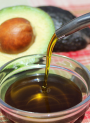
Avocado Oil (Refined)
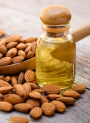

Calendula Extract (Water Soluble)
Phenoxyethanol (Extra Pure)
Rosemary Oleoresin Extract (ROE)
Disodium EDTA
Pro Polymer™ (Gel Maker)

Lavender Oil (bescents SH11)
AminoSilk™ (Lauroyl lysine)
LipidSoft™ CC (Cetyl Ethylhexanoate)
Shea Butter Light Oil