Formulation Feedback: Stability and Texture for Cream/Lotion
Question
Seeking feedback on a cream/lotion formula (37% oil phase) containing SPF filters, skin brighteners, emollients, etc., regarding potential ingredient issues, recommended stabilizers for preventing separation and maintaining efficacy, and the expected texture (aiming for soft, light, fast-absorbing).
Answer
Formulation Feedback and Recommendations
Thank you for sharing your formulation. Here is an analysis and some recommendations based on the ingredients you've included:
1. Ingredients to be Cautious About
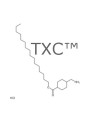
- Mixing Temperatures: Several ingredients have conflicting temperature requirements. Ingredients like SPF Protect Ultra™ II, Milk Lotion Maker™, Shea Butter Ultra Soft, TXC™, and MSH White™ require heating to 60-80°C for proper dissolution in the oil phase. However, ingredients in the water phase such as Yerba Santa Protein, 4MSK, and GlyciWhite™ are heat-sensitive and should not be exposed to temperatures above 40°C or 60°C. This means you cannot simply heat both phases to a high temperature and combine them. You will need a specific mixing procedure where heat-sensitive ingredients are added after the emulsion has cooled down significantly.
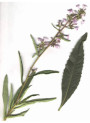
- pH Range: Yerba Santa Protein requires a pH between 3.5 and 7.0 for stability. Your final formulation's pH should be within this range to ensure the efficacy of this ingredient and compatibility with Mild Preserved Eco™ (pH 4-9).
- Electrolyte Sensitivity: 4MSK is an electrolyte and can potentially thin out or destabilize emulsions, especially those made with emulsifiers that are not electrolyte resistant. While Satin Cream Maker™ is electrolyte resistant, Milk Lotion Maker™ is not. This combination, along with 2% 4MSK, could lead to instability or separation over time.
- Storage: Several ingredients (Natural Bisabolol, MSH White™, WhiteCumin™, Yerba Santa Protein, GlyciWhite™) require refrigeration for long-term storage to maintain their stability and efficacy. The final product may also need to be stored in a cool environment, potentially refrigerated, which might not be ideal for a consumer product.
- GlyciWhite™ Usage Rate: You are using GlyciWhite™ (Glycinamide HCL) at 1%, which is below the recommended usage rate of 3-10% (with 5% being recommended) for optimal whitening efficacy according to the product description.
2. Recommended Stabilizers
To prevent separation and maintain stability, especially considering the high oil phase (37%), the presence of an electrolyte (4MSK), and the heat sensitivity of some actives, you should consider adding a stabilizer or adjusting your emulsifier system:
- Increase Satin Cream Maker™: Since Satin Cream Maker™ is electrolyte resistant and heat-free, increasing its concentration (up to 3%) could help improve emulsion stability. However, it only binds up to 25% oil on its own, so it may not be sufficient to handle the full 37% oil phase without a co-emulsifier or additional thickener.
- Add a Rheology Modifier/Thickener: Incorporating a compatible polymer or gum into the water phase can significantly enhance emulsion stability and prevent separation by increasing the viscosity and providing structure. Examples include Carbomers or Acrylates Crosspolymers that are compatible with electrolytes and work within your desired pH range. This would also help suspend the oil phase more effectively.
- Consider Emulsifier System Adjustment: Given the conflicting temperature requirements and electrolyte issue, exploring a different emulsifier system that is cold-processable or requires lower heat and is more robust against electrolytes might be beneficial for long-term stability and ease of manufacturing.
Proper mixing procedure, ensuring each ingredient is fully dissolved/dispersed in its phase before combining, and adding heat-sensitive ingredients during the cooling phase are crucial for stability.
3. Expected Cream Texture
Based on the ingredients and their typical properties, the cream texture is likely to be:
- Soft and Smooth: Ingredients like Shea Butter Ultra Soft, Squalane (Olive), Yerba Santa Protein (Natural Silicone), and VersaMoist™ will contribute significantly to a soft, smooth skin feel.
- Lightweight and Fast-Absorbing: Squalane is known for its fast absorption. Yerba Santa Protein provides a silicone-like slip without the heaviness of traditional silicones. VersaMoist™ also helps reduce stickiness and improve texture. The choice of emulsifiers (Milk Lotion Maker™ for milky lotion feel and Satin Cream Maker™) also suggests a lighter texture compared to a heavy cream.
However, achieving the desired lightweight, fast-absorbing texture while maintaining stability with a 37% oil phase and the potential electrolyte issue from 4MSK will depend heavily on the effectiveness of your emulsifier and stabilization system. If the emulsion is not sufficiently stabilized, you might experience separation, which would negatively impact the texture.
To enhance the light and fast-absorbing feel, ensure the oil phase ingredients are well-dispersed and consider optimizing the emulsifier and thickener levels to create a stable, yet low-viscosity network.
Related Products Mentioned

Natural Bisabolol (Brazil Chamomile)
Squalane (Olive)
Shea Butter (Ultra Soft)

Satin Cream Maker™
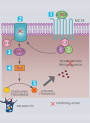
MSH White™ (Undecylenoyl phenylalanine)
Mild Preserved Eco™ (Preservative-Free)
Milk Lotion Maker™

SPF Protect Ultra™ II
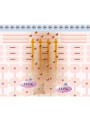
4MSK (Potassium Methoxysalicylate)
Ectoine (Ectoin, from Bio-fermentation)
TXC™ (Cetyl Tranexamate HCl)
Yerba Santa Protein (Natural Silicone)

VersaMoist™