Formulation for Acne & Skin Barrier: Texture and R&D Inquiry
Question
I want to create a product to reduce acne and strengthen the skin.
The active ingredients are as follows:
1. 4D Hyaluronic Acid
2. Ceramide 2 (Ceramide NG)
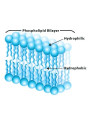
3. Phospholipid
4. Cholesterol
5. Calendula Extract (Water Soluble)
6. Rice Vitamin
7. Allantoin
8. Natural Bisabolol
9. Panthenol (Vitamin B5) ExtraLite™
10. Rhamnose (น้ำตาลแรมโนส)
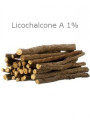
11. Licorice Extract (Licochalcone A 1%)
12. Phytosphingosine
What texture should this product have?
If I want to submit a formula for manufacturing and have R&D select the solvent, how can I do that?
Answer
Suitable Product Texture
Considering the properties of the active ingredients you've chosen:
- Many ingredients like 4D Hyaluronic Acid, Calendula Extract, Rice Vitamin, Allantoin, Panthenol, Rhamnose, and Licorice Extract are water-soluble.
- Ingredients crucial for skin barrier repair such as Ceramide 2, Phospholipid, Cholesterol, Natural Bisabolol, and Phytosphingosine are oil-soluble or require dispersion in both water and oil phases.
To effectively incorporate both water-soluble and oil-soluble components, an emulsion-based product is most suitable. This means a texture like a lotion or a cream would work well.
- Lotion: Generally lighter and less oily, suitable for skin prone to acne while still providing hydration and barrier support.
- Cream: Provides a richer texture, which can be beneficial for strengthening the skin barrier, especially if the skin is also dry or compromised.
An emulsion serum is also a possibility, offering a lighter feel than a traditional cream or lotion while still allowing for the inclusion of both types of ingredients. A simple gel texture would be challenging as it cannot effectively incorporate the oil-soluble components.
Submitting a Formula to R&D
If you wish to submit a formula to R&D and have them select the appropriate solvent, you would typically need to provide them with:
- List of Active Ingredients: Clearly list all the active ingredients you intend to use, including their desired concentrations if you have them.
- Product Goals: Specify the primary goals of the product (e.g., reduce acne, strengthen skin barrier, moisturize).
- Desired Product Texture: Indicate your preferred texture (e.g., light lotion, richer cream, serum).
- Target Audience/Skin Type: Mention the intended users (e.g., oily acne-prone skin, sensitive skin, dry skin).
- Any Specific Requirements: Include any other considerations, such as desired feel on the skin, natural vs. synthetic preferences, or specific certifications.
The R&D team would then use this information to:
- Assess the compatibility and solubility of your chosen active ingredients.
- Select appropriate solvents, emulsifiers, and base ingredients to create a stable and effective formulation that achieves your product goals and desired texture.
- Develop a prototype formula for your review.
You would need to contact the R&D service provider directly to discuss their specific process for formula development and ingredient selection.
Related Products Mentioned
Allantoin
Natural Bisabolol (Brazil Chamomile)

Calendula Extract (Water Soluble)
Panthenol (Vitamin B5) ExtraLite™
Rice Vitamin (Inositol, Vitamin B8)
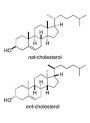
Cholesterol (95%, NF, Fine Powder)
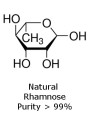
Rhamnose (rhamnose sugar)
Phospholipid

Ceramide 2 (Ceramide NG)
Phytosphingosine (90% Purity)