Formulation for Dry Skin: Gel vs Cream Base and Adding Melting Butter
Question
I have a formulation with the following active ingredients intended for dry and dehydrated skin:
- HyaCoat™
- Double Hyaluronic Acid
- Vitamin B5
- Natural Moisturizing Amino Acids
- MOIST72™
- Rhamnose
- Shea Butter Light Oil
- Allantoin
- Bisabolol
- Licorice Root Extract
- Vitamin B3
- Centella Asiatica Extract
- Phospholipid
Initially, I considered a gel base, but the staff recommended a cream base instead for better moisturization for very dry skin. They also suggested adding Melting Butter 5%.
Could you please review the suitability of these active ingredients in a cream base for intensely moisturizing dry and dehydrated skin? Also, please confirm if adding Melting Butter 5% is appropriate and beneficial for this purpose.
Answer
Formulation Feedback for Dry, Dehydrated Skin
Your selection of active ingredients is very good for addressing dry and dehydrated skin concerns. Ingredients like various forms of Hyaluronic Acid (HyaCoat™, Double Hyaluronic Acid), Vitamin B5, Natural Moisturizing Amino Acids, MOIST72™, and Rhamnose are excellent humectants that draw and hold moisture in the skin. Shea Butter Light Oil provides emolliency and helps support the skin barrier. Allantoin, Bisabolol, Licorice Root Extract, Vitamin B3, and Centella Asiatica Extract offer soothing, anti-inflammatory, and barrier-strengthening benefits, which are also helpful for dry and sensitive skin. Phospholipid aids in penetration and barrier repair.
As the staff correctly pointed out, the base of your formulation is crucial for achieving sufficient moisturization for very dry skin. A gel base, while light and refreshing, typically does not provide the necessary occlusive layer and lipid content that dry skin needs to prevent transepidermal water loss and feel comfortable.
Since you are comfortable with a heavier texture and your priority is intense moisturization, formulating this blend of active ingredients into a cream base is highly recommended. A cream base, which incorporates a higher percentage of oils, butters, and waxes, will create a more substantial barrier on the skin, effectively locking in the moisture provided by the humectants and replenishing skin lipids.
The staff's suggestion to add Melting Butter 5% is also a valuable addition. Melting Butter (such as Melting Butter Medium or Melting Butter Soft) can enhance the texture of the cream, providing a pleasant melting sensation on the skin, while also contributing to the emolliency and skin-conditioning properties, further benefiting dry skin.
In summary, your chosen active ingredients are suitable, but changing the base to a cream and incorporating Melting Butter will significantly improve the formula's effectiveness for intensely moisturizing dry and dehydrated skin.
Related Products Mentioned

Safe-B3™ (Vitamin B3, Niacinamide)
Allantoin
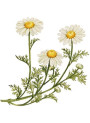
Natural Bisabolol (Brazil Chamomile)
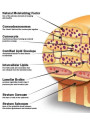
MOIST72™

Double Hyaluron Liquid
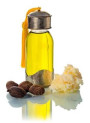
Shea Butter Light Oil
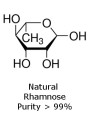
Rhamnose (rhamnose sugar)
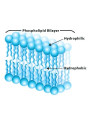
Phospholipid