Formulation for Overnight Facial Mask for Combination, Acne-Scarred, and Sensitive Skin
Question
I am looking for a formulation for an overnight facial mask. My skin type is combination, and I have problems with acne scars and sensitive skin. I would like a gel-based texture. What ingredients and percentages would you recommend to address these concerns? Specifically, I am interested in ingredients for:
- Reducing acne scars and gentle exfoliation (e.g.,
Pumpkin Renew™,Willow Bark Extract,FruitPeel™) - Moisturizing (
water lock,Double Hyaluron Liquid,Vitamin B5 (Panthenol),Safe-B3 (Niacinamide)) - Reducing irritation (
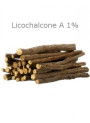
Allantoin,Licorice Extract) - Antioxidant properties (
Repair Activator™) - Preservation (
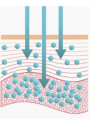
Mild Preserved Eco) - Enhancing penetration (
Reservoir-Tech)
And how to create the gel base using Pro Polymer?
Answer
Based on your request for an overnight facial mask formulation for combination, acne-scarred, and sensitive skin, and the recommendations provided by the staff, here is a summary of the suggested formulation:
The staff recommended making a gel-based mask using:
- Pro Polymer at 1% as the gelling agent.
For the active ingredients targeting your concerns:
- To reduce acne scars and gently exfoliate: Choose ONE of the following:
- Pumpkin Renew™ at 7%
- Willow Bark Extract at 7%
- FruitPeel™ at 5%
- For moisturizing:
- water lock at 1%
- Double Hyaluron Liquid at 3%
- Vitamin B5 (Panthenol) at 2%
- Safe-B3 (Niacinamide) at 5% (recommended to strengthen skin)
- To reduce irritation:
- Allantoin at 0.2%
- Licorice Extract at 1%
- (Palmitamide MEA was mentioned but noted as potentially unnecessary if irritation isn't a primary concern)
- For antioxidant properties:
- Repair Activator™ at 5%
Other recommended ingredients:
- Preservative: Mild Preserved Eco at 1%
- Penetration Enhancer: Reservoir-Tech at 3% (to help ingredients penetrate the skin)
The remaining percentage would be the base (e.g., water).
The staff also advised starting with a simpler formula and fewer ingredients if you are new to formulating, and recommended reviewing the "มือใหม่กรุณาอ่านที่นี่" (Beginner's Please Read Here) guide for basic formulation principles.
Related Products Mentioned
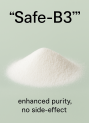
Safe-B3™ (Vitamin B3, Niacinamide)
Allantoin
Pro Polymer™ (Gel Maker)
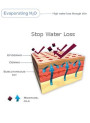
WaterLock™ (Polyquaternium-51)
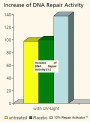
Double Hyaluron Liquid
Pumpkin Renew™ ผลัดเซลล์ผิวอ่อนโยน
Mild Preserved Eco™ (Preservative-Free)
FruitPeel™ exfoliates cells with fruit