Formulation for Sensitive, Dehydrated, Dull Skin (Gel)
Question
I am developing a gel formulation for sensitive, dehydrated, and dull skin with wrinkles. I would like feedback on ingredient selection, concentrations, and potential texture issues. Specifically:
- How is the percentage of a complex ingredient like Apple Stem Cell Extract interpreted?
- Can I use multiple products containing Hyaluronic Acid (each below 1%) together without exceeding the recommended total concentration on the skin?
- I initially considered ingredients like Sea Kelp Bioferment, Urea, Hydro Protein, Coconut Endosperm, Snail Secretion, and L-Carnitine - are these suitable or might they cause stickiness?
- Is 2% Vitamin B3 (Niacinamide) sufficient for the eye area, or is 5% necessary?
- What are the differences between Natural Moisturizing Amino Acids and Sodium PCA for skin hydration?
- For a revised formula using an Aloe Vera gel base with Glucosamine, Beta Glucan, Natural Moisturizing Amino Acids, MOIST72, Allantoin, Calendula Extract, Licorice Root Extract, Green Tea EGCG, Vitamin B3, and Apple Stem Cell Extract, is this suitable? Will ingredients like MOIST72 at 2% cause excessive stickiness?
Answer
Summary of Formulation Discussion
Here is a summary of the key points discussed regarding your formulation questions:
Stem Cell Ingredient Composition
When using an ingredient like Apple Stem Cell Extract at a specific percentage (e.g., 5%), you are typically adding the entire complex as provided, not just the main active component (Malus Domestica Fruit Cell Culture Extract) in isolation. The percentage refers to the concentration of the total ingredient blend as listed.
Hyaluronic Acid Usage
The guideline that Hyaluronic Acid should not exceed 1% to avoid drawing moisture from the skin refers to the concentration within a single product. Using multiple products that each contain Hyaluronic Acid at or below the 1% concentration will not cause the total concentration applied to the skin at any one time to exceed that limit. Therefore, using a base with 1% Hyaluronic Acid and other creams also containing it is generally acceptable, provided each individual product stays within the recommended concentration.
Gel Formula for Sensitive, Dehydrated, Dull Skin
For sensitive, dehydrated, and dull skin with wrinkles, a proposed gel formula was reviewed. Several ingredients were suggested to be removed from the initial list because they might make the texture too sticky (such as Sea Kelp Bioferment, Urea, Hydro Protein, Coconut Endosperm, and Snail Secretion) or did not directly target the primary concerns (like L-Carnitine).
Vitamin B3 (Niacinamide) Concentration
For the eye area, a concentration of 2% Vitamin B3 (Niacinamide) is considered sufficient and effective. Using a higher concentration like 5% is generally not necessary for this delicate area.
Natural Moisturizing Amino Acids vs. Sodium PCA
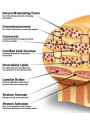
Regarding Natural Moisturizing Amino Acids versus Sodium PCA, a complex containing multiple natural moisturizing factors is generally believed to provide better results for restoring the skin's natural moisture balance compared to using Sodium PCA alone. The specific percentage of Sodium PCA within the Natural Moisturizing Amino Acids complex would need to be confirmed with the supplier.
Revised Formula Review
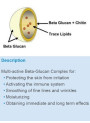
The revised formula using an Aloe Vera gel base with ingredients like Glucosamine, Beta Glucan, Natural Moisturizing Amino Acids, MOIST72, Allantoin, Calendula Extract, Licorice Root Extract, Green Tea EGCG, Vitamin B3, and Apple Stem Cell Extract was considered suitable for sensitive, dehydrated, and dull skin. The potential for stickiness depends on individual perception, but the concentration of ingredients like MOIST72 at 2% is not considered excessively high. If stickiness is a concern and the skin is not severely dry, MOIST72 could potentially be omitted.
Related Products Mentioned
Safe-B3™ (Vitamin B3, Niacinamide)

Allantoin

Calendula Extract (Water Soluble)
Sodium PCA 50%

MOIST72™


Pure-EGCG™ (Green Tea Extract, 98% EGCG)