Formulation for Whitening & Anti-Aging Serum (AsA vs MAP, Peptides, Hyaluronic Acid)
Question
I would like to know if these active ingredients can be mixed together.
This is because the pH values between AsA and MAP are different.
(Vitamin C + Hya + Peptide Serum)
Or should I increase AsA to 15% and remove MAP? What is the best approach?
I want to achieve the best results for skin whitening and wrinkle reduction before proceeding with formula development.
The intended ingredients are:
- L-ascorbic acid 10%
- Magnesium Ascorbyl Phosphate 5%
- Acetyl Hexapeptide-8 2%
- Sodium Hyaluronate 25%
Should I inform the R&D team to add:
- Vitamin E or
- Ferulic Acid and
- EDTA 0.2%
as well?
Note: The serum should be a clear gel texture, with no color, fragrance, or alcohol.
Note 2: For packaging, should the serum be stored in a dark amber dropper bottle or a dark amber plastic pump bottle?
Apologies if I cannot provide details on all other ingredients, as the manufacturer only informed me about the active ingredients.
Answer
Serum Formulation Guidance
Based on your question about formulating a serum with L-Ascorbic Acid (AsA), Magnesium Ascorbyl Phosphate (MAP), Acetyl Hexapeptide-8, and Sodium Hyaluronate, and your goal for optimal whitening and anti-aging, here is a formulation perspective:
You've correctly identified a key challenge: the significant pH difference between L-Ascorbic Acid (AsA) and Magnesium Ascorbyl Phosphate (MAP).
- L-Ascorbic Acid is most stable and effective at a low pH, typically between 2.0 and 4.0 (with 3.5 being a common target for cosmetic formulations).
- Magnesium Ascorbyl Phosphate (MAP) is a stable Vitamin C derivative that requires a higher, alkaline pH range of 7-9 for optimal stability.
Attempting to combine these two forms of Vitamin C in a single water-based formula at their respective optimal pH levels is not feasible. The overall pH of the serum cannot be both acidic and alkaline simultaneously.
Combining AsA and MAP
Mixing AsA and MAP in the same formula will likely lead to instability and reduced effectiveness of one or both ingredients, as the pH will not be ideal for either.
Focusing on L-Ascorbic Acid
Your suggestion to increase L-Ascorbic Acid to 15% and remove MAP is a sound approach for maximizing whitening and anti-aging benefits. L-Ascorbic Acid is a potent form of Vitamin C known for its efficacy in brightening skin tone, stimulating collagen synthesis, and providing antioxidant protection when formulated at the correct low pH. A concentration of 10-15% is effective for these purposes.
Proposed Formula Considerations
Based on your desired ingredients and goals, focusing on an L-Ascorbic Acid-based serum would be more effective than trying to combine AsA and MAP. A potential formulation approach could include:
- L-Ascorbic Acid: 10-15% (aim for a final formula pH between 3.0-3.5 for stability and efficacy, while being mindful of potential irritation at lower pH levels).
- Acetyl Hexapeptide-8: 2% (This peptide works well in a pH range of 3.5-6.5, which is compatible with the target pH for L-Ascorbic Acid).
- Sodium Hyaluronate: 25% (Please note that 25% concentration of Sodium Hyaluronate powder is extremely high and would likely result in a very thick, possibly solid, gel. Typical usage rates for Sodium Hyaluronate powder in serums are much lower, usually between 0.1% and 0.5% to provide hydration and a light gel texture. You may be referring to a pre-made Hyaluronic Acid solution or gel base. If using powder, adjust the concentration to achieve the desired texture, likely much lower than 25%).
- Disodium EDTA: 0.2% (Adding a chelating agent like Disodium EDTA is highly recommended when formulating with L-Ascorbic Acid in water. It helps to chelate metal ions present in water, which can catalyze the degradation of L-Ascorbic Acid, thus improving stability).
Adding Vitamin E and Ferulic Acid
Adding Vitamin E and Ferulic Acid to an L-Ascorbic Acid serum creates a powerful antioxidant combination, often referred to as a "CE Ferulic" type serum. This blend provides enhanced protection against environmental damage and improves the stability of Vitamin C.
- Ferulic Acid: This ingredient is typically not soluble in water and requires a solvent like Ethoxydiglycol or ethanol to dissolve.
- Vitamin E (Tocopheryl Acetate): The commonly available form is oil-soluble. While a water-soluble version exists, the oil-soluble form is more common.
Incorporating oil-soluble Vitamin E and Ferulic Acid powder into a clear, alcohol-free water-based gel serum while maintaining clarity and stability can be challenging and may require specific co-solvents or formulation techniques that could affect the "no alcohol" and "clear gel" requirements. If you prioritize the antioxidant benefits of this combination, you might need to adjust the base or consider a different form of Vitamin E (like water-soluble Tocopheryl Acetate) or explore alternative antioxidant boosters compatible with a clear, alcohol-free aqueous system.
Packaging
L-Ascorbic Acid is sensitive to light and air, which can cause it to oxidize and lose effectiveness. To protect the serum:
- Use dark-colored packaging: Amber glass or plastic bottles are ideal to minimize light exposure.
- Consider air restriction: A pump bottle is generally better than a dropper bottle as it reduces the amount of air introduced into the product during use, further helping to maintain stability.
In summary, for optimal whitening and anti-aging in a clear gel serum, focusing on a well-formulated L-Ascorbic Acid serum at a low pH, including Acetyl Hexapeptide-8, Sodium Hyaluronate (at an appropriate concentration for texture), and Disodium EDTA for stability, is recommended. The addition of Vitamin E and Ferulic Acid offers significant antioxidant benefits but requires careful consideration of solubility and formulation compatibility with your desired clear, alcohol-free gel base. Using dark, air-restrictive packaging is crucial for maintaining the serum's potency.
Related Products Mentioned
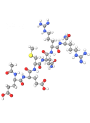
Acetyl Hexapeptide-8 (eq Argireline)
Vitamin E (Tocopheryl Acetate)
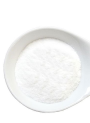
Pure-Ferulic Acid™
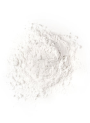
Vitamin C (L-ascorbic acid) (Ultra-Fine)
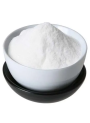
Vitamin C (L-ascorbic acid) (Fine)
Disodium EDTA
Vitamin C (L-ascorbic acid) (Standard)