Formulation Guide for Acne, Brightening, Dark Spot Facial Cream
Question
How can I formulate a facial cream (500g batch) that targets acne, skin brightening, and dark spots? What are the key ingredient categories, suggested actives, and the general formulation process? What are the important considerations for stability and compatibility?
Answer
Guide to Formulating a Facial Cream for Acne, Brightening, and Dark Spots (500g)
Creating a facial cream that addresses multiple concerns like acne, brightening, and dark spots involves selecting compatible active ingredients and building a stable cream base. Here’s a guide to help you start thinking about your 500g formula:
Key Ingredient Categories
A comprehensive formula will typically include ingredients from these categories:
- Anti-Acne Actives: To target acne-causing bacteria, reduce inflammation, and control oil.
- Brightening & Dark Spot Reduction Actives: To inhibit melanin production and fade existing pigmentation.
- Cream Base Components: Water, oils/emollients, emulsifiers, thickeners, humectants to create the cream texture and provide hydration.
- Stabilizers & Preservatives: To ensure the product remains safe, stable, and effective over time.
Suggested Active Ingredients
Based on ingredients commonly used for these purposes, consider incorporating some of the following:
For Acne:
- Pep®-Acne (Oligopeptide-10): An anti-microbial peptide effective against P. acnes bacteria. It is water-soluble.
- Actin AC: A multi-functional ingredient that helps reduce sebum, inflammation, post-inflammatory hyperpigmentation (PIH), regulates skin cell turnover, and reduces acne-related bacteria. It is oil-soluble and sensitive to heat above 50°C.
- Licorice Extract (Licochalcone A): Known for its anti-inflammatory properties, helping to reduce redness and irritation associated with acne, and can also help control skin oiliness. It is water-soluble.
For Brightening & Dark Spots:
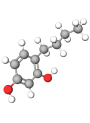
- Activated Resorcinol™ (4-Butyl Resorcinol): A potent ingredient that works by reducing the activity of the enzyme responsible for pigment production (tyrosinase). It is oil-soluble and sensitive to light and heat. It is recommended to use with a chelating agent like Disodium EDTA and potentially an anti-irritant.
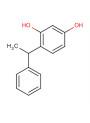
- Phenylethyl Resorcinol (e.q. SymWhite 377): Another effective tyrosinase inhibitor and antioxidant for brightening and reducing dark spots. It is oil-soluble and sensitive to light and air.
- Tranexamic Acid (Trans-White™): Helps reduce melanin formation and is particularly suitable for addressing blemishes and dark spots caused by sun exposure. It is water-soluble and should ideally be used with a stabilizer like ActiveProtec™ OX.
Conceptual Formula Outline (500g Batch)
Here’s a basic structure to illustrate how you might incorporate these ingredients. Note: This is a conceptual guide, and exact percentages for the base ingredients (water, oils, emulsifiers, thickeners) need to be carefully determined through formulation trials to achieve the desired texture and stability. The total percentage of all ingredients must equal 100%.
- Phase A (Water Phase): Combine water, water-soluble actives (like Tranexamic Acid, Pep®-Acne, Licorice Extract), humectants (like Glycerin), chelating agent (like Disodium EDTA), and water-phase thickeners.
- Phase B (Oil Phase): Combine oils/emollients and emulsifiers. If using a hot process emulsifier, heat this phase.
- Emulsification: Combine Phase A and Phase B (following the specific instructions for your emulsifier) and mix to form an emulsion.
- Phase C (Cool Down Phase - below 40-50°C): Once the emulsion has cooled, add heat-sensitive and oil-soluble actives (like Actin AC, Activated Resorcinol™, Phenylethyl Resorcinol - dissolved in a small amount of oil first), stabilizers (like ActiveProtec™ OX), preservatives, and fragrance (if desired). Mix thoroughly.
- pH Adjustment: Check the pH of the final cream and adjust it to the optimal range for your chosen actives (often between 4.5-5.5 for many brightening agents) using a suitable pH adjuster (like Lactic Acid or Triethanolamine solution).
Important Considerations for Formulation
- Compatibility: Ensure all chosen ingredients are compatible with each other and with your emulsifier and thickener system.
- Solubility: Add water-soluble ingredients to the water phase and oil-soluble ingredients to the oil phase or cool-down phase as appropriate.
- Heat Sensitivity: Many active ingredients, especially brightening agents and some anti-acne ingredients, are sensitive to heat. Add them in the cool-down phase below their maximum temperature tolerance.
- pH Stability: The final pH of your cream is critical for the efficacy and stability of many actives. Adjusting and maintaining the correct pH is essential.
- Stability Testing: After creating your formula, it is crucial to perform stability testing (e.g., observing appearance, texture, color, and odor changes over time and under different temperature conditions) before making a large batch.
- Preservation: A broad-spectrum preservative system is necessary to prevent microbial contamination.
- Start Small: It is highly recommended to develop and test your formula with a small batch size (e.g., 50g or 100g) before scaling up to 500g.
- Refer to Product Details: Always consult the specific usage rate, mixing instructions, and compatibility notes provided for each ingredient by MySkinRecipes.
This guide provides a starting point. Developing an effective and stable cream requires experimentation and careful attention to detail in the formulation process.
Related Products Mentioned
Tranexamic Acid (Trans-White™)