Formulation inspired by Estee Lauder Advanced Night Repair
Question
How can I create a formulation inspired by Estee Lauder Advanced Night Repair Synchronized Recovery Complex using ingredients available from MySkinRecipes? Please provide guidance on key ingredients, equivalents, thickening agents, chelating agents, preservatives, and formulation notes.
Answer
Formulation inspired by Estee Lauder Advanced Night Repair
Based on the ingredients of Estee Lauder Advanced Night Repair Synchronized Recovery Complex, here is a possible formulation using ingredients available from MySkinRecipes. This formulation aims to replicate the key active and functional components for skin repair and hydration.
Key Ingredients and MySkinRecipes Equivalents
- Bifida Ferment Lysate: Use Bifida Repair Complex™ (Bifida Ferment Lysate, High Conc) (recommended usage rate 1-7%). This highly concentrated ingredient is noted for its skin barrier enhancement and antioxidant effects.
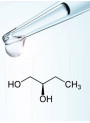
- Butylene Glycol: Use Butylene Glycol (recommended usage rate 1-20%). Acts as a solvent and humectant.
- Tripeptide-32: Use Pep®-T32 (Tripeptide-32 1000ppm) (recommended usage rate 1-5%). A peptide known for cellular repair and anti-aging properties.
- Lactobacillus Ferment: Use MYFerment™ Exfo (Lactobacillus Ferment Lysate) (recommended usage rate 1-100%). Provides mild exfoliation and supports the skin barrier.
- Retinyl Palmitate: Use Vitamin A Palmitate (retinyl palmitate, 1MIU/g) (recommended usage rate 0.1-1.0%). A form of Vitamin A for skin renewal and anti-aging.
- Pantethine: As suggested by staff, use Panthenol (Vitamin B5, DL-Panthenol, Powder) or D-Panthenol Care (Pro-Vitamin B5, 100% Liquid) (recommended usage rate 0.5-10% for skin). Vitamin B5 is a humectant and helps with skin healing and reducing inflammation.
- Caffeine: Use Encapsulated Caffeine (50% Caffeine Active) (recommended usage rate up to 3% for face). Known for antioxidant and anti-inflammatory effects.
- Sodium RNA: Consider using Salmon DNA (PDRN, Polydeoxyribonucleotide, 90% Micronized Flake) (recommended usage rate 0.3-0.8%) as an alternative for skin repair benefits. Note that PDRN requires special tools for dissolution.
- Squalane: Use Squalane (Olive) (recommended usage rate 1-100%). An emollient and antioxidant.
- Bisabolol: Use Bisabolol (Alpha Bisabolol, Bisabolol RAC) (recommended usage rate 0.5-1%). Known for its soothing and anti-irritant properties.
- Hydrogenated Lecithin: Use Hydrogenated Lecithin (95% Phosphatidylcholine). Can be used for encapsulating ingredients or as an emulsifier/skin-conditioning agent.
- Anthemis Nobilis (Chamomile Water): Use Chamomile Water (Anthemis Nobilis) (recommended usage rate 1-100%). Provides soothing properties.
- Sodium Hyaluronate: Use Hyaluronic Acid (Small Molecule) (recommended usage rate 0.1-0.5%). A humectant for skin hydration.
- Tocopheryl Acetate (Vitamin E): Use Vitamin E (Tocopheryl Acetate) (recommended usage rate 0.1-1%). An antioxidant.
Thickening Agents
To achieve a serum or gel texture, you can use:
- Xanthan Gum: Use Xanthan Gum (clear gel type, smooth texture) (recommended usage rate 0.1-2%). Mix in the water phase.
- Carbomer: Use Carbomer 940 (EasyDisperse™) (recommended usage rate 0.5-3%). Requires neutralization with an alkali like Triethanolamine.
Chelating Agent
To improve stability, you can add a chelating agent:
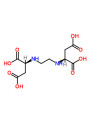
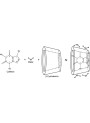
- Use Disodium EDTA (pH 3.0-9.0) or Tetrasodium EDTA (pH 8-12) (recommended usage rate 0.1-0.2%). Alternatively, use Trisodium Ethylenediamine Disuccinate (EDDS) as a biodegradable option.
Preservatives
To prevent microbial growth, add a preservative:
- Use Phenoxyethanol (Extra Pure) (recommended usage rate 0.5-1.0%).
- Alternatively, use Dichlorobenzyl Alcohol (recommended usage rate 0.1-1.0%).
Formulation Notes
- Combine water-soluble ingredients in the water phase. Some ingredients like Bifida Ferment Lysate and Lactobacillus Ferment Lysate should be added in the final step and avoid heat above 40°C.
- Combine oil-soluble ingredients like Squalane, Vitamin A Palmitate, Vitamin E, and Bisabolol in a separate oil phase. Hydrogenated Lecithin can be dispersed in the oil phase.
- If using Carbomer, disperse it in the water phase and neutralize after adding other water-soluble ingredients but before adding heat-sensitive or oil-phase ingredients.
- Add the oil phase to the water phase (or vice versa, depending on your emulsification system if creating a lotion/cream). Hydrogenated Lecithin can help with emulsification.
- Add thickeners like Xanthan Gum or neutralized Carbomer to achieve the desired texture.
- Add preservatives in the final step, ensuring the temperature is below their maximum tolerance.
- Always perform stability and challenge testing on your final formulation.
This provides a framework for creating a product with similar beneficial ingredients to the Estee Lauder Advanced Night Repair using ingredients available from MySkinRecipes.
Related Products Mentioned
Vitamin E (Tocopheryl Acetate)
Squalane (Olive)
Phenoxyethanol (Extra Pure)
Disodium EDTA
Butylene Glycol
Carbomer 940 (EasyDisperse™, France)

Chamomile Water (Anthemis Nobilis)
Tetrasodium EDTA (EDTA-4Na)