Formulation Issue: Cream/Serum Mixing with Satin Cream Maker
Question
I have significant small bumps on my forehead that have been present for a long time, although they reduce slightly in the morning. I also have small clogged pores on my chin, despite thorough cleansing. I don't experience inflammatory acne, only small bumps that are bothersome.
My cheeks are dry and sometimes peel, though less so in hot weather. My skin tone is uneven, with freckles, dark spots, and noticeable wrinkles under the eyes and nasolabial folds. My skin is quite sensitive and easily irritated, reacting poorly to many creams. The staff suggested these issues might be due to using products containing prohibited substances like steroids or mercury and recommended consulting a doctor first.
Despite this, I attempted to create a formulation with the following ingredients, aiming for a smooth, clear, acne-free skin:
Water Phase:
- Water: 45.7%
- Active Resveratrol: 5%
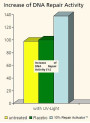
- Repair Activator™: 10%
- Vitamin B6: 3%
- Pentylene Glycol: 3%
- Vitamin B3: 2%
- GlucoBright: 4%
- Hi-EGCG™: 5%
- Phenoxyethanol SA: 0.3%
Oil Phase:
- Myristyl Nicotinate (Pro-Niacin)™: 6%
- Rose Hip Oil: 15%
- Satin Cream Maker™: 1%
I tried mixing this formula, but it did not form a cream. I have a few questions:
- Is a pH of 5.5 suitable for this formula?
- Can Satin Cream Maker be used as the sole emulsifier for this formula?
- Is the mixing order correct? (I added Satin Cream Maker to the oil phase, then added the oil phase to the water phase and mixed).
Please advise on the correct mixing procedure and if this formula is suitable for my skin concerns, considering the staff's advice.
Answer
Hello! I understand you're trying to create a cream for smooth, clear, acne-free skin and had some trouble with the mixing process. Let's address your questions and the issue you encountered.
Regarding your questions about the adjusted formula:
- pH Level: A pH of 5.5 is generally suitable for the skin's natural barrier. However, the final pH of your mixture might vary depending on the ingredients. It's recommended to measure the pH after mixing and adjust it if necessary to be within the skin-compatible range (typically 4.5-6.0).
- Satin Cream Maker: Yes, Satin Cream Maker is designed to emulsify oil and water phases to create a cream texture. It can be used as the sole emulsifier in many formulations, provided the oil phase percentage is within its capacity and the mixing method is followed correctly.
- Mixing Order: No, based on the staff's advice and the typical usage of this type of emulsifier, Satin Cream Maker should be added to the water phase, not the oil phase.
Why your previous attempt didn't form a cream:
The most likely reason the mixture didn't emulsify is that the Satin Cream Maker was added to the oil phase instead of the water phase. Emulsifiers need to be properly dispersed in the phase they are designed to work with to create a stable emulsion.
Correct Mixing Steps (as advised by staff):
- Combine all ingredients in the water phase in a beaker.
- Add the Satin Cream Maker to the water phase.
- Mix or blend the water phase with the Satin Cream Maker until it forms a cloudy gel texture.
- In a separate beaker, combine all ingredients in the oil phase.
- Slowly add the oil phase into the cloudy gel (water phase + Satin Cream Maker) while continuously mixing or blending until the mixture is fully combined and forms a cream.
Please also keep in mind the staff's recommendation to consult a doctor regarding the persistent small bumps/acne on your forehead and overall skin sensitivity, as these issues might require medical treatment, especially if related to previous product use containing prohibited substances.
I hope this helps you with your next attempt! Let me know if you have any more questions.
Related Products Mentioned

Active Resveratrol™
Safe-B3™ (Vitamin B3, Niacinamide)

Rosehip Oil (Extra Virgin Organic)
GlucoBright™ (Acetyl Glucosamine)

Satin Cream Maker™
Vitamin B6 (Pyridoxine Hydrochloride)
Hi-EGCG™ (Green Tea Extract)