Formulation Issues: Emulsification, Texture, Hold, and Ingredient Usage in Hair Styling Product
Question
I am developing a hair styling product, possibly a pomade, and have several questions regarding formulation and ingredient usage:
- Does Lanofree reduce surface tension and help with water-oil emulsification? The product description mentions it's a synthetic ester mixed into the oil phase with heat, used for moisturizing, hair conditioning, and adherence.
- What is the difference between Polysorbate 20, Polysorbate 60, and Oil Blender (Polyglyceryl-3 Diisostearate)? Can they be used interchangeably?
- I have a formula with a high percentage of waxes, butters, and oils (50% total oil/wax/butter phase) and used Polysorbate 20 at 5%. I experienced incomplete emulsification and flaking. The staff recommended removing Polysorbate 20 and using Milk Lotion Maker at 5% in the water phase (55% water) while reducing the total oil phase to a maximum of 40%. Is this recommendation correct? When you refer to the "oil phase," does it mean the total amount of all oil-soluble ingredients (liquid oils, butters, waxes)?
- What kind of texture does Milk Lotion Maker typically produce? How can I achieve a thicker texture, like a cream or balm, or even a "clay" texture?
- I experienced excessive foaming when mixing, possibly due to Glycerin. I used a milk frother, which might be the issue. What is the best mixing method to minimize foaming? Are there alternative solvents/humectants to Glycerin that might cause less foam?
- The product description for Easy Hair Styler (8 Hr.) states to avoid heat above 40°C. I added it at 50-60°C, which resulted in uneven setting. Is this the reason? What is the correct temperature and mixing procedure for adding Easy Hair Styler (8 Hr.) to ensure even distribution before the formula sets?
- How can I increase the hold in my pomade formula? Can I use Easy Hair Styler (8 Hr.) or PVP-K90, or a combination?
Answer
Formulation Questions Answered
Here are the answers to your questions regarding your formulations and ingredients:
Lanofree and Surface Tension
Regarding your question about Lanofree reducing surface tension and helping with water-oil emulsification, the product description for Lanofree (Synthetic Lanolin) indicates it is a synthetic ester designed to mimic the properties of lanolin. It is used as a moisturizer, hair conditioner, and in makeup to help coat and adhere to the skin, providing moisture. It is mixed into the oil phase with heat. While lanolin and its derivatives can sometimes contribute to emulsion stability, the primary described functions of Lanofree are related to moisturizing, conditioning, and adherence, not necessarily acting as a primary emulsifier to bridge significant water and oil phases.
Polysorbate 20 vs. Polysorbate 60 vs. Oil Blender
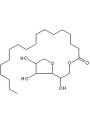
- Polysorbate 20 (Tween 20) and Polysorbate 60 (Sorbitan Stearate) are different types of emulsifiers with different properties and uses. Polysorbate 20 is a high HLB emulsifier typically used for oil-in-water (O/W) emulsions or solubilizing small amounts of oil in water. It is soluble in water and glycerin but less soluble in oil. Polysorbate 60 (Sorbitan Stearate) is a low HLB emulsifier typically used as a co-emulsifier in water-in-oil (W/O) emulsions. It is soluble in oil and dispersible in water. They are not interchangeable as they function differently in creating and stabilizing different types of emulsions.
- Oil Blender (Polyglyceryl-3 Diisostearate) is a water-in-oil (W/O) emulsifier and an oil/silicone blender. It is designed to help blend various oils and can be used to improve the texture of butters and as a binder in pressed powders. While it can be used in W/O emulsions (often with a stabilizer like Magnesium Sulfate), its primary role is often as a blender rather than a sole primary emulsifier, especially compared to dedicated O/W emulsifiers like Polysorbate 20. Oil Blender and Polysorbate 20 are not interchangeable as they create different emulsion types (W/O vs O/W) and have different primary applications.
Your Formula and Emulsification Issue
Your formula contains a high percentage of waxes, butters, and oils (50% total oil/wax/butter phase). Polysorbate 20 at 5% is generally not sufficient or suitable for emulsifying such a high load and type of oil phase, especially one containing significant amounts of waxes and butters. This is why you experienced incomplete emulsification and flaking. The staff's recommendation to remove Polysorbate 20 and use Milk Lotion Maker at 5% while reducing the total oil phase to a maximum of 40% is appropriate. Milk Lotion Maker is designed to handle higher oil loads (up to 40%) and is a more suitable emulsifier for formulas with a substantial oil phase like yours.
When the staff refers to the "oil phase," they mean the total amount of all oil-soluble ingredients, which includes your liquid oils, butters, and waxes combined.
Milk Lotion Maker Texture and Clay Texture
Milk Lotion Maker typically produces a liquid, easy-to-spread texture, like a milky lotion. To achieve a thicker texture, such as a cream or balm, additional waxes or fatty alcohols can be incorporated into the formula as suggested in the product description. Achieving a "clay" texture, which often implies a matte finish and specific rheology, would likely require incorporating clay minerals or other specific structuring agents in addition to the emulsifier and oil/water phases. Milk Lotion Maker itself will not inherently create a clay texture.
Glycerin Foaming and Solvent Alternatives
Using a milk frother is not suitable for mixing formulations as it incorporates too much air, leading to excessive foaming, especially with ingredients like Glycerin which can contribute to foam. To minimize foaming, use a proper overhead stirrer or homogenizer that provides efficient mixing without excessive air entrapment.
Glycerin is a valuable humectant (attracts moisture) and solvent. If you need to reduce or replace Glycerin to minimize foaming or for other reasons, you would lose its specific moisturizing and solvent properties. Alternatives that also function as solvents and humectants include:
- Propylene Glycol: A common solvent and humectant.
- Butylene Glycol: A gentler alternative to Propylene Glycol, also a solvent and humectant.
- 1,3-Propanediol: A natural alternative that acts as a humectant, solvent, and preservative booster. It is noted to provide a better skin feel than other glycols and can enhance Glycerin's moisturizing effect when used together.
Choosing an alternative depends on the desired properties and compatibility with your formula.
Adding Easy Hair Styler (8 Hr.) Temperature
The product description for Easy Hair Styler (8 Hr.) explicitly states to avoid using heat above 40°C because it will coagulate and harden. Adding it at 50-60°C is not recommended and will likely cause issues with dispersion and potentially affect its styling performance and texture. The uneven setting you observed is likely due to the mixture cooling and starting to solidify before the Easy Hair Styler was fully incorporated, especially if using an unsuitable mixing method. Ensure thorough mixing while the formula is cooling down but before it drops below 40°C to ensure even distribution of the Easy Hair Styler.
Increasing Hold in Pomade Formula
To increase the hold in your pomade formula, you can incorporate hair fixative ingredients. Based on the product descriptions, Easy Hair Styler (8 Hr.) is a hair fixative that provides styling hold and can be used in pomade formulations. PVP-K90 is another hair fixative that provides strong, long-lasting hold and is suitable for thicker styling products like pomades or waxes. You can use Easy Hair Styler (8 Hr.), PVP-K90, or a combination of both to achieve the desired level of hold in your formula.
I hope this detailed explanation helps you with your formulations.
Related Products Mentioned
Propylene Glycol (USP)
Glycerin (USP/Food Grade)
Polysorbate 20 (Tween 20)
Polysorbate 80 (Tween 80)
Butylene Glycol
Milk Lotion Maker™

Easy Hair Styler (8 Hr.)
Lanofree™ (Synthetic Lanolin)