Formulation Issues for Gentle Shampoo and Semi-Permanent Coloring Conditioner
Question
I have drafted preliminary formulas for a shampoo and a conditioner. My goal is to create gentle formulas suitable for sensitive skin and dry, damaged hair. Both products should be fragrance-free as I am sensitive to fragrance.
For the conditioner, I also want it to provide semi-permanent black hair coloring.
Here are the formulas I have drafted:
Shampoo Formula
- SulFoam - Disodium Laureth Sulfosuccinate 15%
- SiliWater 1%
- Biotin Express 1%
- Urea 5%
- Triacetin 0.5%
- Flora Foam 3%
- ActiveProtec 1%
- Biotinyl - GHK 3%
- Pure Keratin (Sheep wool) 1%
- Dandruff-Guard 0.5%
- Paeonia Preserve 2%
- Water 67%
- Lactic Acid 2%
- Will this formula result in a shampoo texture? Do I need to add a thickener like N8000 or 70, as I don't see them in the formula?
Conditioner Formula
- Cetearyl Alcohol 8%
- Sensitive Cream Maker 1%
- SiliWater 1%
- Cetrimonium Chloride (CTAC) 1%
- Clear-Cond (Quaternium-80) 2%
- ActiveProtec 1%
- SemiColor - wood black 0.5%
- Color Fix 5%
- Mild-Wash L
- FloraFoam 3%
- Behentrimonium Chloride (BTAC) 1%
- Lactic Acid 4%
- Paeonia Preserve 2%
- Borage Oil 2%
- Wheat Germ Oil 1%
- Water 66.5 %
- I tried making a small batch of the conditioner formula. It did not thicken into a cream texture. When I used it, I felt a stinging sensation on my hairline at the back of my neck. The black color also seemed too intense.
- Could any of the ingredients be causing the stinging sensation, or is it related to the color?
- Please help review and improve both formulas to make them effective and better than my current drafts, addressing the texture, irritation, and color intensity issues.
Answer
Shampoo Formula Analysis and Suggestions
Your shampoo formula includes several good ingredients for gentle cleansing and hair care, suitable for sensitive, dry, and damaged hair.
- Gentle Cleansing: Using
SulFoam™ (Disodium Laureth Sulfosuccinate)andMild-Wash L™ (Sodium Lauroamphoacetate)provides a mild surfactant system, which is excellent for sensitive scalps and dry hair, avoiding harsher sulfates. - Conditioning & Hair Health: Ingredients like
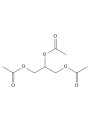
SiliWater™ (Dimethicone Copolyol),Biotin Express™,Urea,Triacetin,Biotinyl-GHK, andPure Keratin™are beneficial for moisturizing, strengthening hair roots, promoting growth, and repairing damaged hair. The combination ofUreaandTriacetinis appropriate for enhancingBiotindelivery and stabilizing the formula's pH over time, as noted in the ingredient descriptions. - Anti-Dandruff & Preservation:
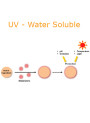
Dandruff-Guard™ (Piroctone Olamine)addresses dandruff and itching, andPaeonia Preserve™provides natural preservation.ActiveProtec™ UVhelps protect the formula ingredients from light degradation, which is particularly important for light-sensitive ingredients likeBiotin. - pH Adjustment:
Lactic Acidis included, likely to adjust the pH to a skin-friendly range (typically slightly acidic, pH 5-6, for shampoos).
Regarding your question about needing a thickener like N8000 or 70:
Your formula already contains ingredients that contribute to viscosity:
SulFoam™is a concentrated surfactant.Mild-Wash L™is an amphoteric surfactant.Flora Foam™is specifically designed to thicken formulas containing amphoteric surfactants likeMild-Wash L™.Dandruff-Guard™also has a thickening effect on shampoo formulas.
While you don't have traditional salt-responsive thickeners (like those used with SLES/SLS), the combination of Mild-Wash L™ and Flora Foam™ should provide some level of thickening. The final viscosity will depend on the precise ratio of these ingredients and the overall formula composition. If the current combination doesn't achieve your desired thickness, you might need to:
- Ensure the percentage of
Mild-Wash L™is sufficient (the percentage was missing in your list, typically 3-5% when combined with other detergents). - Optimize the ratio of
Mild-Wash L™andFlora Foam™. - Consider adding a compatible polymeric thickener if needed, but try optimizing the current ingredients first.
Your shampoo formula seems well-designed for its purpose, focusing on mildness and hair health.
Conditioner Formula Analysis and Suggestions
Your conditioner formula aims to condition, nourish, and add semi-permanent black color. You experienced issues with texture (not thickening), scalp irritation, and color intensity.
- Conditioning Base:
Cetearyl Alcohol,Sensitive Cream Maker™,SiliWater™,Cetrimonium Chloride,Clear-Cond™, andBehentrimonium Chlorideform a good base for a nourishing conditioner.Cetearyl Alcoholprovides body and emollience,Sensitive Cream Maker™emulsifies the oils, and the cationic ingredients (Cetrimonium Chloride,Clear-Cond™,Behentrimonium Chloride) are excellent for smoothing, detangling, and conditioning dry/damaged hair. - Nourishing Oils:
Borage OilandWheat Germ Oiladd valuable fatty acids and antioxidants to nourish the hair and scalp. - Coloring:
SemiColor - Wood Blackprovides the semi-permanent black color, andColor Fix™helps improve color adhesion and longevity, which is used at the recommended rate for conditioners (5%). - Protection & Preservation:
ActiveProtec™ UVandPaeonia Preserve™provide protection and preservation.
Issues and Suggested Adjustments:
Texture (Not Thickening): The primary reason your conditioner formula likely didn't thicken properly is the inclusion of
Mild-Wash L™andFloraFoam™. These ingredients are designed for cleansing formulas and can interfere with the emulsification and thickening mechanisms of a cationic conditioner base (like the one formed byCetearyl Alcohol,Sensitive Cream Maker™, and the cationic conditioning agents).- Suggestion: Remove
Mild-Wash L™andFloraFoam™from the conditioner formula. The thickening should come from the combination ofCetearyl AlcoholandSensitive Cream Maker™. You may need to slightly increase the percentage ofCetearyl Alcohol(e.g., to 8-12%) orSensitive Cream Maker™(e.g., to 1-3%) to achieve your desired cream texture after removing the incompatible ingredients.
- Suggestion: Remove
Scalp Irritation: The stinging sensation you experienced is likely due to the
Lactic Acid. WhileLactic Acidis useful for adjusting the pH of a conditioner to be slightly acidic (pH 4-5) to smooth the hair cuticle, using it at 4% might be too high for a sensitive scalp, especially in a product that sits on the hair/scalp for a few minutes.- Suggestion: Reduce the concentration of
Lactic Acid. Start with a lower percentage (e.g., 1-2%) and check the pH of your final formula. Aim for a pH between 4 and 5. Adjust with small amounts ofLactic Acidor a mild base if necessary to reach this range. This pH range is optimal for conditioners and less likely to cause irritation.
- Suggestion: Reduce the concentration of
Color Intensity: You mentioned the black color was too intense at 0.5%
SemiColor - Wood Black.- Suggestion: Reduce the percentage of
SemiColor - Wood Black. The usage rate is 0.1-1.0%. Try a lower concentration, such as 0.1% or 0.2%, and test on a strand of hair to see if it provides the desired subtle black shade.
- Suggestion: Reduce the percentage of
By removing the incompatible detergent ingredients from the conditioner and adjusting the concentrations of Lactic Acid and SemiColor - Wood Black, you should be able to achieve a better texture, reduce scalp irritation, and control the color intensity while maintaining the nourishing and conditioning benefits.
Remember to always test your formulas in small batches and check the final pH.
Related Products Mentioned
Urea (High Purity, Cosmetics, Powder)
Cetrimonium Chloride (CTAC)
Cetearyl Alcohol (50/50, e.q. Lanette O)
SiliWater™ (silicone dissolved in water)

Dandruff-Guard™ (Piroctone Olamine)
Mild-Wash L™ (Sodium Lauroamphoacetate)

Biotin Express™
Behentrimonium Chloride (BTAC)

Flora Foam™


PaeoniaPreserve™ (Natural Preservative)
Triacetin (Glycerol triacetate) (FEMA-2007)
Sensitive Cream Maker™

ActiveProtec™ UV