Formulation Issues: Night Cream pH, Serum Mixing, Sunscreen Pilling
Question
I have three questions regarding cosmetic formulations:
Question 1: Night Cream pH Adjustment
I made a night cream using the hot process method, using a base cream purchased from another factory. The active ingredients were purchased from MySkinRecipes. I tried to adjust the pH of the water phase to pH 4 using Glycolic Acid but added up to 10% and the pH still hasn't dropped sufficiently. This is quite surprising. What should I do?
Should I adjust the pH with Citric Acid first? If so, what percentage of Glycolic Acid should I use?
The water phase ingredients are:
- Azelaic Acid Water Soluble: 10%
- Tranexamic Acid: 5%
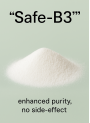
- Vitamin B3: 5%
- Phenoxyethanol: 1%
- Water: 30%
- Glycolic Acid: Adjust to pH 4
Question 2: Serum Formulation and Mixing Procedure
Referring to topic3931.html#p16228, I am interested in making a serum using that formula but have modified it as follows:
- Sym White: 0.5%
- Tranexamic Acid: 5%
- Azelaic Acid: 10%
- ODA White plus: 3%
- Perfect C: 5%
- Dipotassium Glycyrrhizate: 0.5%
- Vit E: 0.5%
- Butylene Glycol: 2%
- glycerine: 3%
- EDTA: 0.2%
- Pro Polymer: 1.5%
- SiliWater: 1%
- glycolic: Adjust to pH 4
My questions are:
- What is the mixing procedure? What steps should be done before or after others?
- The first formula I asked about also contains Azelaic Acid and Tranexamic Acid, which I anticipate will make pH adjustment difficult. Could you please provide the steps for adjusting the pH with Glycolic Acid for this serum formula as well?
Question 3: Sunscreen Formulation Issues (Pilling/Residue)
I made a sunscreen SPF 60+ PA++++ with the following formula:
Phase A
- Octocrylene: 6%
- DHHB: 5%
- Zinc Oxide 200nm: 8%
- lipid soft cc: 12%
Phase B
- Water Capsule: 3%
- Beige color: 0.7%
Phase C
- Water: 53%
- Light Cream Maker: 1.5%
- B3: 3%
- Phenoxyethanol: 0.5%
- EDTA: 0.2%
- MatteSilica: 2%
- Titanium pigment: 1%
- Propylene Glycol: 1%
Phase D
- Tris-Biphenyl Triazine (Nano): 4%
- Titanium Dioxide EasyDisperse: 3%
Mixing Procedure:
- Heat A to 65 degrees Celsius.
- Add B to A.
- Mix C.
- Pour A+B into C all at once and blend.
- Add D.
Issues Encountered:
- Initially, I didn't include MatteSilica and Titanium pigment but added BB microsilk 2%. The texture was good, no streaks, but my face became oily easily and looked dull in the evening, although sweat didn't cause streaks.
- Later, I followed the formula above, adding MatteSilica and Titanium pigment and omitting BB microsilk. The texture was also good, easy to spread, and my face looked bright all day, even glowing in the evening. However, the problem is that it pills slightly and leaves a powdery residue when I sweat.
Questions:
- I really like the second formula but am concerned about the slight pilling and residue when sweating. Could you please help me adjust the formula to fix this?
- Can I add Oil Fix? If so, what percentage should I add?
Answer
Answer for Formulation Questions
Hello! I understand you are developing several cosmetic formulations. I will answer your questions one by one.
Question 1: Night Cream pH Adjustment
The reason you are finding that adding up to 10% Glycolic Acid does not lower the pH sufficiently is likely due to a strong buffering system in the base cream you purchased, or other ingredients in your formula (such as 5% Vitamin B3, which can act as a buffer) are resisting the pH change. This requires a large amount of acid to overcome the buffer.
Using Glycolic Acid at high concentrations (like 10%) both as a pH adjuster and an active ingredient can easily cause skin irritation. If the formula is so highly buffered that it requires more than 10% Glycolic Acid to reach pH 4, you might need to reconsider if that concentration is suitable for a night cream, or accept a slightly higher pH.
Recommendations:
- Use Citric Acid for initial pH adjustment: This is a good approach. Using a stronger acid like Citric Acid (which is commonly used for pH adjustment and is less expensive than Glycolic Acid) to lower the pH to a range close to your target (e.g., pH 4.5-5) first can help reduce the amount of Glycolic Acid needed for the final pH adjustment.
- pH Adjustment Procedure:
- Combine all water phase ingredients as usual (Azelaic Acid, Tranexamic Acid, Vitamin B3, Phenoxyethanol, Water) with the finished base cream (after hot process and cooling). Mix thoroughly until homogeneous.
- Measure the pH of the resulting cream.
- Prepare a dilute solution of Citric Acid (e.g., 10-20%). Slowly add the Citric Acid solution drop by drop to the cream, mixing well with a spatula or small mixer after each addition. Measure the pH again. Repeat until the pH drops to approximately 4.5-5.
- Once the pH is in the 4.5-5 range, slowly add Glycolic Acid powder (or a prepared solution) little by little. Mix thoroughly after each addition and measure the pH. Repeat until the desired pH of 4 is reached.
- Appropriate Glycolic Acid Concentration: If you intend for Glycolic Acid to also function as an active, 5-10% is a concentration that provides good exfoliation. However, the exact percentage of Glycolic Acid needed solely for pH adjustment cannot be specified beforehand. It depends on the starting pH and the buffering capacity of the entire formula. You must determine this amount by gradually adding and measuring the pH (titration) until the desired pH is achieved.
Question 2: Serum Formulation and pH Adjustment
Your modified serum formula contains several interesting ingredients, particularly the whitening actives.
1. Mixing Procedure:
Based on your ingredients and the nature of Pro Polymer, which is a thickener that requires neutralization to form a gel/serum, and other ingredients that dissolve in water or other solvents (like Glycols or Esters), the recommended mixing procedure is as follows:
- Phase A (Water Phase):
- In container 1, combine Water, Butylene Glycol, Glycerin, EDTA, Tranexamic Acid, Azelaic Acid Water Soluble, Vitamin B3, Dipotassium Glycyrrhizate. Stir or use a mixer to dissolve the powder ingredients until clear and homogeneous (you might need slight heat to help dissolve Azelaic Acid Water Soluble and Tranexamic Acid if they are difficult to dissolve at room temperature).
- Phase B (Oil/Active Phase):
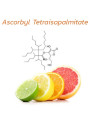
- In container 2, combine Sym White, ODA White plus, Perfect C (Ascorbyl Tetraisopalmitate), Vit E (Tocopheryl Acetate). These ingredients are typically oil or ester soluble. Since your formula lacks a distinct oil phase, you might need Butylene Glycol or Glycerin from Phase A to aid dissolution, or consider adding a suitable solvent (not listed in your formula). Slight heat might be needed if dissolution is difficult.
- Phase C (Thickener Dispersion):
- Slowly sprinkle Pro Polymer into Phase A (with other ingredients dissolved) little by little while continuously mixing with a high-shear mixer (like a homogenizer) to ensure the Pro Polymer disperses well in the water without clumping. Mix until fully dispersed.
- Combining Phases:
- Pour Phase B into the combined Phase A+C (with dispersed Pro Polymer). Mix thoroughly until homogeneous.
- Neutralization (Crucial for Pro Polymer):
- Your formula is missing a Neutralizer for Pro Polymer. Pro Polymer forms a gel when neutralized with a mild base such as Triethanolamine (TEA) or Sodium Hydroxide (NaOH) solution.
- Prepare a Neutralizer solution (e.g., 10% TEA or 10% NaOH). Slowly add the Neutralizer solution drop by drop to the serum while continuously mixing. The serum will gradually thicken. Stop adding Neutralizer when the desired viscosity is reached or when the pH is suitable for Pro Polymer neutralization (usually above pH 4).
- Adding Preservative & Silicone:
- Add Phenoxyethanol and SiliWater to the serum. Mix thoroughly.
- pH Adjustment (with Glycolic Acid):
- Measure the pH of the serum after neutralization and adding the preservative & silicone. The pH should be relatively high.
- Slowly add Glycolic Acid powder (or a prepared solution) little by little to the serum, mixing thoroughly with a mixer.
- Measure the pH. Repeat until the desired pH of 4 is reached.
Important Considerations:
- The solubility of Sym White, ODA White plus, Perfect C, and Vit E in this formula might be challenging due to the lack of a significant oil or ester phase. Verify their solubility in Butylene Glycol/Glycerin or consider adding a suitable solvent.
- A Neutralizer for Pro Polymer is essential. Without it, Pro Polymer will not form a gel.
Question 3: Sunscreen Formulation Issues
I understand the issues you are facing with texture and residue. Sunscreen formulas are complex, especially with a high load of powder/particulate ingredients (Zinc Oxide, Titanium Dioxide, Matte Silica, Titanium pigment), which significantly impact texture, stability, and residue formation.
Analysis of Issues:
- First Formula (with BB Microsilk, without Matte Silica, Titanium pigment): Good texture, no streaks, but oily and darkens in the evening. This suggests BB Microsilk might not provide sufficient oil control compared to Matte Silica and could contribute to color change over time.
- Second Formula (with Matte Silica, Titanium pigment, without BB Microsilk): Good texture, easy to spread, brightens face all day, but pills/flakes and leaves residue when sweating. This indicates that the added Matte Silica and Titanium pigment help with brightening and potentially oil control, but there are issues with their dispersion, compatibility with other ingredients, or the total powder load is too high, leading to pilling and residue when exposed to water/sweat.
Causes of Pilling/Residue in the Second Formula:
- High Powder Load: The combined percentage of Zinc Oxide (8%), Titanium Dioxide (3%), Matte Silica (2%), and Titanium pigment (1%) results in a relatively high total powder/particulate content (around 14%). This can easily lead to pilling, especially when certain polymers or thickeners are present (Light Cream Maker may contain polymers).
- Powder Dispersion: If Matte Silica, Titanium pigment, Zinc Oxide, and Titanium Dioxide are not fully and evenly dispersed in the formula, they can aggregate into small particles that become visible as flakes or pills when applied.
- Emulsifier System and Compatibility: The combination of the emulsifier system (Water Capsule, Light Cream Maker) and the mixing procedure might not be optimal for stabilizing such a high powder load and ensuring compatibility, causing the powders to detach and form residue when exposed to water/sweat.
- Film Formation: The film formed on the skin might not be flexible or strong enough to hold the powders in place when the skin moves or sweats.
Modifications to Reduce Pilling/Residue:
Adding Oil-Fix (which is typically a powder-based oil absorber like Silica Dimethyl Silylate) might help with oiliness, but it carries a high risk of worsening the pilling/residue issue by increasing the total powder content.
Recommendations for Improving the Sunscreen Formula:
- Improve Powder Dispersion:
- Ensure that Zinc Oxide, Titanium Dioxide, Matte Silica, and Titanium pigment are completely and evenly dispersed in Phase A (Oil Phase) using a high-shear mixer (like a homogenizer) for sufficient time until the mixture is smooth and free of visible particles.
- Consider using a suitable dispersing agent specifically designed for powders in oil phases to improve dispersion quality.
- Consider Total Powder Load: A total powder load of 14% might be too high for the current emulsifier and polymer system. To reduce pilling, you might need to slightly decrease the percentage of one or more powders, or consider adjusting the emulsifier system.
- Adjust Emulsifier System and Film Former:
- The combination of Water-in-Oil emulsifier (Water Capsule) and Light Cream Maker might not be ideal for suspending a high powder load and creating a flexible film.
- Consider adding a film-forming agent that helps powders adhere to the skin and improves water/sweat resistance, such as Trimethylsiloxysilicate or certain Acrylates Copolymers suitable for sunscreen (test for compatibility with other ingredients).
- You might need to adjust the type or amount of Water Capsule and Light Cream Maker, or explore using emulsifiers specifically designed for high-powder-load sunscreen formulas.
- Mixing Procedure: Your current procedure of pouring Phase A+B into C all at once and then mixing might not be optimal for dispersing Phase B (with the beige color) and forming the structure with Light Cream Maker in Phase C. Adjust the mixing procedure to be appropriate for the type of emulsifier used. Generally, for W/O or O/W formulas with powders, you might need to add the water phase to the oil phase (or vice versa, depending on the emulsifier) gradually while continuously mixing.
Resolving pilling and residue issues in sunscreen formulas often requires experimental adjustments to powder levels, dispersing agents, emulsifier/polymer systems, and mixing procedures. Adding Oil-Fix might not be the best solution for this specific problem.
Related Products Mentioned
Vitamin E (Tocopheryl Acetate)
Safe-B3™ (Vitamin B3, Niacinamide)
Propylene Glycol (USP)
Triethanolamine 99%
Light Cream Maker™
Glycerin (USP/Food Grade)
Phenoxyethanol (Extra Pure)
Disodium EDTA

Pro Polymer™ (Gel Maker)
Zinc Oxide 200nm EasyDisperse™
BB Micro Silk™
Octocrylene
Butylene Glycol
LipidSoft™ CC (Cetyl Ethylhexanoate)

Dipropylene glycol
MatteSilica 5™ (5 Micron)
Sodium Hydroxide
Ethylhexylglycerin
Glycopure™ (Glycolic Acid (AHA) Powder)
Water-Capsule™ (Water-in-Oil Cream)

ODA-White Plus™

Phenoxyethanol SA (eq. Optiphen Plus)

Tris-Biphenyl Triazine (Nano)
Tranexamic Acid (Trans-White™)
Propylene Glycol n-Butyl Ether

X-Glycerin (Polyglycerin-10)
Glycerin Gel (Glyceryl Polyacrylate)
Propylene glycol dicaprylate/dicaprate
Diglycerin (90%, Colorless)
Anti-Caking Silica


Hydrated Silica (High-Cleaning)

MatteSilica 3™ (3 Micron)
MatteSilica 10™ (10 Micron)
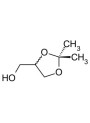
Hydrated Silica Scrub (60Mesh)
Hydrated Silica Scrub (70Mesh)

Totarol (1% in Butylene Glycol)
Citric Acid (Anhydrous, Natural)
UltraBlur™ (Skin Blurring Silica)
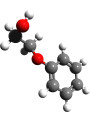
Phenoxyethanol P5
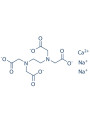
Calcium EDTA (Calcium Disodium EDTA)
Copper Disodium EDTA (EDTA CuNa2)
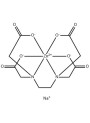
Zinc Disodium EDTA (EDTA ZnNa2)


PPG-7 (Polypropylene Glycol)
PPG-9 (Polypropylene Glycol)
PPG-17 (Polypropylene Glycol)
PPG-20 (Polypropylene Glycol)