Formulation of Acne & Oil Control Serum: Ingredient Compatibility and Mixing Procedure
Question
I want to formulate a serum for combination skin with acne, large pores, and oiliness using the following ingredients:
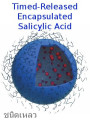
- Encapsulated Salicylic Acid
- L-Carnitine
- Vitamin B3
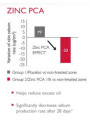
- Zinc PCA
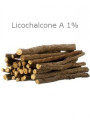
- Licorice
- MSM
- Glucosamine
I was considering using Hyaluronic Acid and Xanthan gum as thickeners. Is it okay to use heat (e.g., 60-70°C) during the process, and how does heat affect the ingredients? What is the correct mixing procedure to ensure stability and effectiveness, especially considering ingredient compatibility and pH sensitivity?
Answer
Formulation Review and Recommendations
Your goal is to create a serum to help with acne, large pores, and oiliness on combination skin. The recommended key ingredients are Salicylic Acid (or Encapsulated Salicylic Acid), L-Carnitine, Vitamin B3, Zinc PCA, Licorice (Licochalcone A), and MSM.
Your proposed formula includes most of these beneficial ingredients, but there are a couple of points to adjust based on compatibility and optimal mixing.
Suitable Ingredients in Your Formula
- Encapsulated Salicylic Acid: Good choice for targeting clogged pores and acne.
- L-Carnitine: Helps control oiliness and accelerate skin cell turnover gently.
- Vitamin B3 (Niacinamide): Excellent for reducing oiliness, improving pore appearance, reducing redness, and strengthening the skin barrier.
- Zinc PCA: Effective for reducing oiliness and helping with acne inflammation and healing.
- Licorice (Licochalcone A): Helps reduce inflammation and redness associated with acne and can also help control oil.
- MSM: Can help control oil production and has anti-inflammatory properties.
- Glucosamine: While not specifically mentioned for acne/oil control in the initial recommendations, it can have skin benefits, but ensure its compatibility with other ingredients and the desired pH range.
Incompatible Ingredients
Based on the previous feedback and product descriptions, Hyaluronic Acid and Xanthan gum are generally not compatible with Encapsulated Salicylic Acid and should be removed from your formula if you are using Encapsulated Salicylic Acid. Using them together can cause issues with the texture or stability of the product.
Thickening Agent
If you want to create a gel texture, Hydroxyethyl Cellulose was recommended as a compatible thickener for use with Encapsulated Salicylic Acid. Regarding your question about heat, it is true that some ingredients can be sensitive to heat. However, short-term heating (like the 60-70°C sometimes used to dissolve Hydroxyethyl Cellulose) is a common practice in cosmetic manufacturing. It helps ensure the gelling agent is fully dissolved and can also help with microbial control. While some minor degradation of heat-sensitive ingredients can occur, it is often considered acceptable for the benefits gained (proper texture, stability, and hygiene). You should check the specific instructions for your Hydroxyethyl Cellulose product. If you prefer not to use heat or gelling, you can omit the thickener and create a liquid serum instead.
Recommended Mixing Method
The mixing order is important for stability, especially with ingredients like Zinc PCA and L-Carnitine which are sensitive to pH. Here is a suggested mixing method based on the feedback:
- Prepare the water phase (Water).
- Dissolve Zinc PCA completely in the water first. This is crucial as Zinc PCA can precipitate if the pH is too high during dissolution.
- Add the other water-soluble powder ingredients from your list (Encapsulated Salicylic Acid, Vitamin B3, Glucosamine, MSM, Licorice Extract - assuming you are using the water-soluble type) to the water phase containing dissolved Zinc PCA. Mix until everything is fully dissolved.
- Add L-Carnitine to the mixture. Mix until dissolved. Adding L-Carnitine last to the water phase helps avoid temporary high pH issues that could cause Zinc PCA to precipitate.
- If you are using Hydroxyethyl Cellulose to create a gel, add it now and mix according to its instructions (this may involve heating as discussed). Do not add Hyaluronic Acid or Xanthan gum.
- Add your preservative.
- After all ingredients are mixed, check and adjust the pH of the final formula. Aim for a pH in the range of 4.0-6.0, which is generally optimal for the stability and efficacy of Zinc PCA and is suitable for most of the other ingredients and skin compatibility.
By following these steps and adjusting your ingredient list, you can create a more stable and effective serum for your skin concerns.
Related Products Mentioned
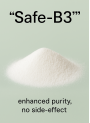
Safe-B3™ (Vitamin B3, Niacinamide)
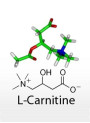
L-Carnitine (Carnitine)

Pure MSM™ (Methylsulfonylmethane)