Formulation Plan for Hyaluron & Vitamin C Serums
Question
I am planning to formulate two separate serums:
- A serum using a Hyaluronic Acid Gel Base with the following active ingredients:
- N-Acetyl-D Glucosamine
- Alpha Arbutin
- Vitamin B5
- Natural Amino Acids
- Vitamin B3
- Licorice Extract
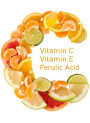
- A Vitamin C serum using the Vitamin C E Ferulic kit.
Could you please review this plan and provide feedback on the compatibility and effectiveness of the ingredient combinations and the overall approach?
Answer
Your Formulation Plan
Okay, I understand your revised plan to create two separate serums: one based on a Hyaluron gel base with several beneficial ingredients, and a separate Vitamin C serum using the Vitamin C E Ferulic kit. This approach is suitable for targeting different skin concerns.
Here is some information regarding your plan:
Hyaluron Base Serum: Your proposed combination of ingredients for the Hyaluron base serum (N-Acetyl-D Glucosamine, Alpha Arbutin, Vitamin B5, Natural Amino Acids, Vitamin B3, and Licorice Extract) is a good mix aimed at brightening, reducing redness and inflammation, and providing hydration.
- N-Acetyl-D Glucosamine works well with Vitamin B3 (Niacinamide) for brightening and can help stimulate hyaluronic acid production in the skin.
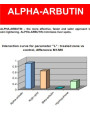
- Alpha Arbutin is known for its skin brightening properties and helping with uneven skin tone.
- Vitamin B5 (Panthenol) helps with hydration, soothing, and supporting the skin barrier.
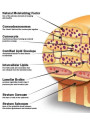
- Natural Moisturizing Amino Acids contribute to the skin's natural hydration factors. As previously discussed, you might consider whether to include this depending on your skin type (if your skin is still oily despite using BHA, you might omit it).
- Vitamin B3 (Niacinamide) offers multiple benefits including reducing redness, improving skin tone, strengthening the skin barrier, and helping control oiliness.
- Licorice Extract (specifically Licochalcone A) is excellent for reducing inflammation, redness, and irritation, which can be helpful when using BHA. It also helps control oiliness.
- You will need to mix these ingredients into a suitable base like the Hyaluronic Acid Gel Base yourself. MySkinRecipes typically provides raw materials and kits for customers to formulate their own products.
Vitamin C E Ferulic Serum: Using the Vitamin C E Ferulic kit is a great way to create a potent serum with L-Ascorbic Acid, Vitamin E, and Ferulic Acid. This combination is well-regarded for its antioxidant properties, helping to protect the skin from environmental damage and improve brightness.
- The kit is designed for you to mix the components yourself to ensure freshness and potency of the L-Ascorbic Acid, which is less stable when dissolved.
- Regarding the solvents (Ethoxydiglycol, Propylene glycol, Glycerin) in the kit, the formula is typically designed to optimize the stability and penetration of L-Ascorbic Acid. While it might be possible to substitute or omit solvents, it's generally recommended to follow the kit's intended formula unless you have advanced knowledge of formulation chemistry, as altering the solvent system can significantly impact the stability and effectiveness of the Vitamin C. The description for L-Ascorbic Acid Ultra-Fine mentions its low stability when dissolved in water and the importance of pH (2.0-4.0, with FDA requiring >= 3.5 for leave-on products), which the kit formulation is designed to address.
In summary, your plan for two separate serums is sound. You will need to mix both formulations yourself using the provided ingredients and bases. For the Vitamin C E Ferulic kit, sticking to the recommended formula is advisable for best results.
Related Products Mentioned
Alpha Arbutin (Switzerland)
Vitamin C E Ferulic
Safe-B3™ (Vitamin B3, Niacinamide)
GlucoBright™ (Acetyl Glucosamine)
Vitamin C (L-ascorbic acid) (Ultra-Fine)