Formulation Questions: Achieving Thicker Cream Texture and High Silicone Usage with Light Cream Maker
Question
I have a cream formulation and encountered issues with the texture and silicone compatibility. Below is the initial formula:
- Distilled Water: 63.48%
- Allantoin: 0.32%
- Disodium EDTA: 0.20%
- Butylene Glycol: 5.00%
- Vitamin B3, Niacinamide (Safe-B3™): 2.00%
- N-Acetyl-D-Glucosamine: 4.00%
- Glycyrrhiza Uralensis Root Extract: 2.00%
- Punica Grantum: 1.00%
- Solanum Lycospersicum Fruit Extract: 1.00%
- Panax Ginseng Root Extract: 1.00%
- LipidSoft™ Lite: 5.00%
- Activated Resorcinol™: 1.00%
- Bisabolo: 0.50%
- Light Cream Maker: 3.00%
- Cyclomethicone / Cyclopentasiloxane: 10.00%
- Phenoxyethanol: 0.50%
Based on my experiments:
- When using only Vitamin B3 (no other extracts) and Light Cream Maker at 1%, the texture turned watery immediately upon contact with skin and absorbed well. I concluded that the cream maker percentage should be at least 1.5% for the cream texture to be stable on the skin.
- I adjusted the formula to use Light Cream Maker at 1.5%, increased Cyclomethicone / Cyclopentasiloxane to 20%, and reduced LipidSoft™ Lite to 2.5%. This resulted in a much better, stable texture that adhered well to the skin and absorbed quickly without melting away. This contradicts the guideline that silicones should not exceed 10% when using Light Cream Maker.
- When adding natural extracts (initially 21%, then reduced to 6%), the cream became too liquid. I had to increase Light Cream Maker to the maximum of 3% to get the cream to set. The 3% Light Cream Maker could handle up to 6% extracts well, but the resulting texture was very light, absorbed instantly, and appeared clear/cloudy rather than a nice pearly white cream. I feel that if Light Cream Maker results in this texture, using a gel base might be better.
My questions are:
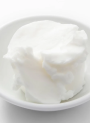
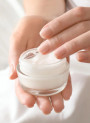
- I want a thicker, whiter, heavier cream texture, not a clear/cloudy one, that doesn't melt away too quickly on the skin. I am currently using Light Cream Maker at 3%. Can I add Rich Cream Maker™ to achieve this? If so, can I add up to another 3% for testing as mentioned? Are there any other ingredients I can use to make the cream thicker and heavier like a typical cream, not too light like with Light Cream Maker? How can I adjust the texture to be heavier and thicker, like a cream?
- The guideline for Light Cream Maker™ states it can emulsify silicones (Water-Silicone or Water-Silicone-Oil), but the amount of silicone should not exceed 10%. However, I used Cyclomethicone / Cyclopentasiloxane at 20% and got a very good texture. Did I make a mistake, or is it possible to use up to 20%? What are the implications of using 20% silicone?
Answer
Formulation Advice for Thicker, Heavier Cream Texture and Silicone Usage
Thank you for sharing your detailed formulation experience. It's valuable to see how different ingredients behave in practice.
Regarding your questions:
1. Achieving a Thicker, Whiter, and Heavier Cream Texture
You are correct that Light Cream Maker™ is designed to produce a light, fast-absorbing texture. If you desire a cream that is thicker, heavier, and whiter, you might consider using different cream makers or a combination of ingredients.
Here are some options to explore:
- Moist Cream Maker™: This emulsifier is specifically developed for creating heavy cream textures that provide good moisture retention.
- Butter Cream Maker™: This can create a smooth, soft, and thick cream at lower percentages (2-3%) or a more solid, buttery texture at higher percentages (5-6%), especially when combined with ingredients like Cetyl Alcohol.
- Satin Cream Maker™: This produces a pearl white cream with a soft and smooth texture and can handle higher oil percentages than Light Cream Maker™.
Blending cream makers is also a viable approach to fine-tune the texture. For instance, you could try combining Light Cream Maker™ with one of the heavier options mentioned above to achieve your desired consistency.
Additionally, incorporating a water-phase thickener like CreamThick™ (Hydroxypropyl Starch Phosphate) can help increase the viscosity and contribute to a whiter, more opaque appearance, and it is also resistant to electrolytes.
To increase the thickness, you can also try using a higher percentage of the chosen cream maker(s) within their recommended usage rates, or add ingredients like Cetyl Alcohol (depending on the cream maker used) or other suitable thickeners.
2. Using Cyclomethicone / Cyclopentasiloxane at 20%
The information for Light Cream Maker™ indeed states that it can emulsify silicones, but the recommended maximum is typically around 10%.
However, your experimental result of achieving a good, stable texture with 20% Cyclopentasiloxane (Low-Odor Cyclomethicone) is an interesting observation. While Light Cream Maker™'s guideline is 10%, some other cream makers, such as Satin Cream Maker™, are specified to handle silicone levels up to 20%.
It's possible that the specific combination of ingredients in your formula allowed for higher silicone incorporation with Light Cream Maker™ than the general guideline suggests, or perhaps the stability might differ in the long term compared to using a cream maker designed for higher silicone loads. For formulations requiring higher silicone percentages, using a cream maker explicitly stated to handle those levels (like Satin Cream Maker™) might offer more reliable stability.
Experimentation is key in formulation, and your findings provide valuable insight into the behavior of these ingredients in your specific system. When working outside recommended guidelines, it's always a good practice to perform stability testing to ensure the product remains consistent over time.
Related Products Mentioned
Light Cream Maker™
Pro Polymer™ (Gel Maker)

Satin Cream Maker™