Formulation Questions: Adding Ingredients to Cream, Soap, and BHA Toner
Question
I have some questions about formulating different products. I am currently using Ceramide and Repair Activator™ in my formulas and would like some advice.
- Regarding my Ceramide Anti-Irritant Cream, can I add the following ingredients?
- Vitamin B3 (Niacinamide) and N-Acetyl Glucosamine for whitening and reducing dark spots?
- Repair Activator™ (Bifida Ferment Lysate)?
- Is the resulting cream still suitable for daily use?
- Could you recommend a formula for combination skin that is dry on the cheeks, oily in the T-zone, lacks moisture, and is dull? What key ingredients and base types should I consider?
- I make handmade soap using oil and lye. Some users experience irritation. Can I add anti-irritant ingredients like Bisabolol to the soap formula? What should I consider?
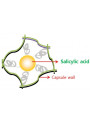
- I want to add a mild scent, like Lavender Oil or Bisabolol, to my water-based BHA Toner (containing Salicylic Acid). How can I incorporate oil-based ingredients into this water-based toner?
Answer
Formulation Advice
Here is the information regarding your formulation questions:
1. Ceramide Anti-Irritant Cream
Regarding adding Vitamin B3 (Niacinamide), N-Acetyl Glucosamine, and Repair Activator™ (Bifida Ferment Lysate) to a Ceramide Anti-Irritant Cream:
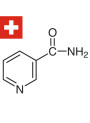
- Adding Vitamin B3 and N-Acetyl Glucosamine for Whitening: Yes, you can add Vitamin B3 (Niacinamide) and N-Acetyl Glucosamine to your Ceramide cream to enhance whitening and reduce dark spots. Vitamin B3, such as Safe-B3™, is known to reduce hyperpigmentation and improve skin tone, while also stimulating ceramide production and strengthening the skin barrier. N-Acetyl Glucosamine (GlucoBright™) also acts as a whitening agent and works well in combination with Niacinamide for this purpose. It also helps stimulate hyaluronic acid production for moisture.
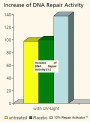
- Adding Repair Activator™: Yes, you can also add Repair Activator™ (Bifida Ferment Lysate) to the formula. Ingredients like Repair Activator™ BG and Bifida Repair Complex™ are known to help repair skin DNA damage and enhance the skin barrier function, which complements the benefits of a Ceramide cream. These are typically water-soluble ingredients added in the final step of formulation. Note that some types, like Bifida Repair Complex, should avoid temperatures above 40°C.
- Daily Use: A Ceramide cream, especially one designed to be anti-irritant and strengthen the skin barrier, is generally suitable for daily and continuous use. Adding Vitamin B3, N-Acetyl Glucosamine, and Repair Activator™ at recommended usage rates should not prevent daily use. Vitamin B3 can even help fight irritations.
2. Recommended Formula for Combination Skin (Dry Cheeks, Oily T-zone, Dullness)
For combination skin with dry cheeks, an oily T-zone, lack of moisture, and dullness, a balanced approach is needed. You need ingredients that provide sufficient moisture to the dry areas without exacerbating oiliness in the T-zone, along with ingredients to address dullness.
- Moisturizers: Incorporate moisturizing ingredients, particularly in a cream base with an oil phase. Shea Butter and Jojoba Oil are good options. Shea Butter provides rich moisture, while Jojoba Oil is similar to the skin's natural sebum, making it a good emollient that is less likely to clog pores and can help balance oil production. Aim for a cream texture with an oil content of at least 15% as suggested.
- Addressing Dullness: To improve skin brightness and reduce dullness, include Vitamin B3 (Niacinamide) and N-Acetyl Glucosamine (GlucoBright™). As mentioned earlier, these ingredients are effective for whitening and improving overall skin tone. Vitamin B3 also helps control sebum excretion, which can be beneficial for the oily T-zone.
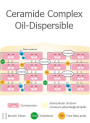
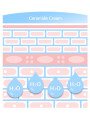
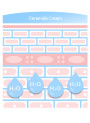
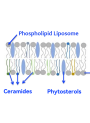
- Skin Barrier Support: Ingredients like Ceramides (found in products like Ceramide Complex or Skin-Barrier™) are excellent for strengthening the skin barrier, which is crucial for both dry and oily areas and helps the skin retain moisture more effectively.
A formulation combining a cream base with moisturizing oils like Shea Butter and Jojoba Oil, along with Niacinamide, N-Acetyl Glucosamine, and Ceramides, would target dryness, oiliness, and dullness effectively.
3. Adding Anti-Irritant Ingredients to Handmade Soap
If some users experience irritation from your handmade oil + lye soap, while others do not, it suggests the issue might be related to the specific formulation, the quality of ingredients, or the soap-making process (like superfatting levels or curing). While lye-based soap is generally well-tolerated after proper saponification and curing, adding anti-irritant ingredients can potentially help.
- Bisabolol: Bisabolol (available as Natural Bisabolol or Alpha Bisabolol) is known for its anti-irritant properties. It is oil-soluble and could potentially be incorporated into a soap formula. However, its stability and effectiveness in the high pH environment of soap would need careful testing.
It is recommended to first review your soap recipe and process to ensure proper saponification and adequate superfatting, as these are key factors in soap mildness. If irritation persists, you could experiment with adding a small percentage of Bisabolol, keeping in mind its solubility and stability in the soap matrix.
4. Adding Fragrance to BHA Toner
You can add a mild scent to your BHA toner, but adding oil-based ingredients like Lavender Oil or Bisabolol directly to a water-based toner requires a solubilizer.
- Using a Solubilizer: To incorporate Lavender Oil or Bisabolol (which is oil-soluble) into a water-based toner containing Salicylic Acid (BHA), you would need to use a solubilizer like Flora Solve Clear™. This product is designed to disperse fragrance oils and essential oils in water-based formulas without needing alcohol. You would typically mix the oil (Lavender Oil or Bisabolol) with the solubilizer first before adding the mixture to the toner base.
- Lavender Water: Alternatively, you could consider using Lavender Water, which is a water extract of lavender and can be used directly in water-based formulations. It provides a natural, mild aroma and has some anti-inflammatory properties.
- Bisabolol Benefits: While primarily an anti-irritant, Bisabolol is oil-soluble and would need solubilization if added to a water-based toner. Its anti-irritant properties could be beneficial in a BHA toner, as BHA can sometimes cause irritation.
When adding any ingredient, especially fragrance or oils, to a toner, ensure it remains clear and stable, and test for potential irritation.
Related Products Mentioned
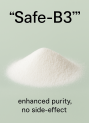
Safe-B3™ (Vitamin B3, Niacinamide)

Natural Bisabolol (Brazil Chamomile)
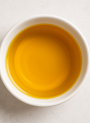
Jojoba Oil (Golden - Deodorized)
GlucoBright™ (Acetyl Glucosamine)
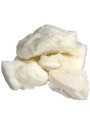
Shea Butter (Refined , Deodorised)
Salicylic Acid (BHA, Pharma Grade)
Jojoba Oil (Clear - Deodorized)
Lavender Water (Lavandula Angustifolia)