Formulation Questions: Cleansing Gel, Oil, Lip Balm
Question
I need help with three formulations:
Facial Cleansing Gel
I want a facial cleansing gel that cleans effectively but doesn't leave the skin dry and tight. It should also help with acne, as my skin is acne-prone and dry from using acne medication.
Ingredients:- water 50.8%
- EDTA 0.2%
- Sulfate Free Shampoo Base 25%
- Mild Preserved Eco 1%
- Encapsulated Salicylic Acid (Liquid, Time-Release) 5%
- Natto Gum 5%
- Ichthammol 3%
- Glycerin 10%
Mixing Procedure:
Combine 1 + 2 + 4 + 6. Add 5 and set aside. Dissolve 7 in 8. Finally, add the mixture from dissolving 7 in 8 to the mixture from step 1, then add 3. - Are the ingredients compatible?
- Is the mixing procedure correct?
- Can I substitute Glycerin with 1,3-Propanediol (Natural)?
Cleaning Oil
Ingredients:- Oilsify 30 30%
- Fractionated Coconut Oil 15%
- Apricot Kernel Oil 10%
- Grape Seed Oil 24%
- Water 10%
- Butylene Glycol 10%
- Tea Tree Oil (Water Soluble) 1%
- Mild Preserved Eco 1%
Mixing Procedure:
Dissolve 1 in 2. Add 3, 4 and set aside. Combine 5 + 8 and stir until clear. Add 6, 7. Combine the mixture that was set aside with the mixture from combining 5+8+6+7 until homogeneous. - Can I substitute Butylene Glycol with 1,3-Propanediol (Natural)?
Lip Balm Stick
Ingredients:- shea butter (Refined) 50%
- Yellow Beeswax 35%
- Vitamin E 1%
- Fractionated Coconut Oil 14%
Mixing Procedure:
Melt 1, 2, 4. Let cool slightly, then add 3. - Will the texture be too hard with this formula? Do I need to increase or decrease the Beeswax percentage?
- Do I need to add any other ingredients?
- Since this formula has no water, do I still need to add a preservative?
Answer
Formulation Feedback
Here is the feedback on your three formulations:
1. Facial Cleansing Gel
Your formulation aims for a gentle yet effective cleanser for acne-prone, dry skin, which is a good approach. Let's review the ingredients and mixing method:
Ingredients:
- Water (50.8%)
- Disodium EDTA (0.2%): Acts as a chelating agent, helping with formula stability, especially if using non-distilled water.
- Sulfate Free Shampoo Base (25%): This provides the cleansing action. Using a sulfate-free base is good for sensitive and dry skin.
- Mild Preserved Eco™ (1%): A preservative blend to protect the formula from microbial growth.
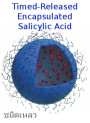
- Encapsulated Salicylic Acid (Liquid, Time-Release) (5%): Provides acne treatment benefits. The encapsulated, timed-release nature makes it gentler for dry skin. Note that this is a wash-off type, suitable for cleansers.
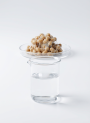
- Natto Gum (5%): A humectant that provides moisture, which is beneficial for dry skin.
- Ichthammol (3%): Included for its anti-bacterial and anti-inflammatory properties, helpful for acne. The product description mentions it can be used at 2-3% in wash-off products for acne.
- Glycerin (10%): A humectant to draw moisture to the skin, counteracting dryness.
Compatibility: The ingredients appear generally compatible. However, the product description for Encapsulated Salicylic Acid mentions incompatibility with certain thickeners/gel makers like Xanthan Gum. While your formula doesn't explicitly list a thickener, if the Sulfate Free Shampoo Base contains incompatible ingredients, it could affect the formula's stability or texture. Natto Gum is a weak electrolyte and might affect formulas using electrolyte-sensitive thickeners.
Mixing Method: Your proposed mixing method is:
- Combine Water, Disodium EDTA, Mild Preserved Eco™, and Natto Gum.
- Add Encapsulated Salicylic Acid to step 1 and set aside.
- Dissolve Ichthammol in Glycerin.
- Add the mixture from step 3 to the mixture from step 2.
- Finally, add the Sulfate Free Shampoo Base.
This mixing order seems generally appropriate, ensuring water-soluble ingredients are dissolved first and sensitive ingredients like the surfactant base are added last to minimize foaming. Ensure each step is well mixed before proceeding.
Substitution of Glycerin with 1,3-Propanediol: Yes, you can substitute Glycerin with 1,3-Propanediol. 1,3-Propanediol is a natural alternative that also functions as a humectant and solvent. It is often considered to have a less sticky feel than Glycerin and can enhance the moisturizing effect when used together with Glycerin, although you are proposing a full substitution. It can be used at a rate of 1-20%, so your 10% usage is within the recommended range. It dissolves in water, similar to Glycerin.
2. Cleaning Oil
This formulation is designed as a cleansing oil. Let's look at the components and steps:
Ingredients:
- Oilsify 30 (30%): This is an oil-emulsifier specifically designed for cleansing oils, allowing the oil phase to be rinsed off with water. The recommended usage rate is 5-30%, so 30% is at the higher end, which should ensure effective makeup removal.
- Fractionated Coconut Oil (15%): A light, non-greasy oil that is easily absorbed and serves as part of the oil phase.
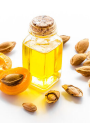
- Apricot Kernel Oil (10%): Another beneficial oil for skin, providing moisture and a good feel.
- Grape Seed Oil (24%): A light oil with antioxidant properties, also contributing to the oil phase.
- Water (10%): Included in an oil-based cleanser, likely to help with the emulsification process upon contact with water during rinsing.
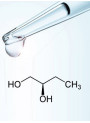
- Butylene Glycol (10%): A solvent and humectant.
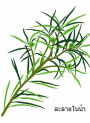
- Tea Tree Oil (Water Soluble) (1%): Included for its anti-bacterial properties, useful for acne-prone skin. Note that this is a water-soluble version.
- Mild Preserved Eco™ (1%): A preservative blend.
Compatibility: The ingredients are generally compatible for a cleansing oil formulation. Oilsify 30 is designed to emulsify oils. The water-soluble Tea Tree Oil and Butylene Glycol will likely reside in the water phase, which will interact with the oil phase via the emulsifier.
Mixing Method: Your proposed mixing method is:
- Dissolve Oilsify 30 in Fractionated Coconut Oil.
- Add Apricot Kernel Oil and Grape Seed Oil to step 1 and set aside.
- Combine Water and Mild Preserved Eco™ and stir until clear.
- Add Butylene Glycol and Tea Tree Oil (Water Soluble) to step 3.
- Combine the oil mixture from step 2 with the water mixture from step 4 and mix until homogeneous.
This method separates the oil and water phases before combining them with the emulsifier, which is a standard approach for creating emulsions or cleansing oils. Ensure thorough mixing in the final step to create a stable product.
Substitution of Butylene Glycol with 1,3-Propanediol: Yes, you can substitute Butylene Glycol with 1,3-Propanediol. Both function as solvents and humectants. 1,3-Propanediol is a natural alternative and can replace Butylene Glycol in formulations. Your proposed 10% usage is within the recommended range for 1,3-Propanediol.
3. Lip Balm Stick
This is a solid lip balm formulation. Let's examine the ingredients and your questions:
Ingredients:
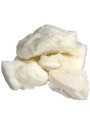
- Shea Butter (Refined) (50%): A soft butter providing moisturizing and emollient properties.
- Yellow Beeswax (35%): A wax that provides structure and hardness to the stick.
- Vitamin E (1%): Acts as an antioxidant to prevent the oils from going rancid and offers some skin benefits.
- Fractionated Coconut Oil (14%): A liquid oil that adds emollience and helps adjust the hardness.
Compatibility: The ingredients are compatible as they are all oil/wax based.
Mixing Method: Your proposed mixing method is:
- Melt Shea Butter, Yellow Beeswax, and Fractionated Coconut Oil together.
- Let cool slightly, then add Vitamin E.
This is the correct method for creating a lip balm stick. The solid ingredients (Shea Butter, Beeswax) and liquid oil are melted together, and the heat-sensitive ingredient (Vitamin E) is added as it cools before pouring into containers.
Hardness: With 35% Beeswax and 50% Shea Butter, the lip balm should have a reasonably firm texture suitable for a stick, especially combined with 14% liquid oil. Beeswax is a primary hardening agent in lip balms. If you find the texture too hard, you can reduce the percentage of Beeswax and increase the percentage of the liquid oil (Fractionated Coconut Oil) while keeping the total oil/wax phase at 99% (since Vitamin E is 1%). For example, you could try 30% Beeswax and 19% Fractionated Coconut Oil, or adjust incrementally until you achieve the desired hardness.
Need for Preservative: This formula does not contain water. Preservatives are typically needed in formulations that contain a water phase, as water is essential for microbial growth. Since your lip balm formula is entirely composed of oils and waxes (anhydrous), a preservative is generally not necessary to prevent bacterial or fungal contamination. Vitamin E at 1% is included as an antioxidant to prevent the oils from oxidizing (going rancid), which is different from preserving against microbial growth.
Related Products Mentioned
Vitamin E (Tocopheryl Acetate)
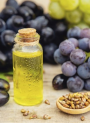
Apricot Kernel Oil (Refined)
Shea Butter (Refined , Deodorised)
Glycerin (USP/Food Grade)
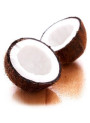
Fractionated Coconut Oil
Disodium EDTA
Tea Tree Oil (Water Soluble)
Butylene Glycol
Natto Gum Extract
Mild Preserved Eco™ (Preservative-Free)

Ichthammol (Pure, 99%)
Oilsify 30 (Sorbeth-30 Tetraoleate)
Yellow Beeswax