Formulation Questions: Emulsifiers, Hot/Cold Process, Heat Sensitivity, Texture, Fragrance
Question
I have several questions regarding cream formulations:
Regarding Light Cream Maker:
- It is stated that Light Cream Maker can emulsify 50% oil and 10% silicone. What percentage of Light Cream Maker is needed for this?
- If I want to reduce the usage of Light Cream Maker to about 0.5%, what maximum percentage of oil and silicone can I use in the formula?
How can I check if the extracts I choose contain Electrolytes, especially when using Easy Cream Maker, to ensure proper ingredient selection?
In a Hybrid Sunscreen Cream formula, I am considering replacing Light Cream Maker with Glyceryl Stearate SE (4%) and Cetyl Alcohol (2%) using a hot process:
- Is it possible to create a stable cream base using Glyceryl Stearate SE and Cetyl Alcohol as emulsifiers and thickeners in a hot process instead of Light Cream Maker?
- Can this combination (Glyceryl Stearate SE 4% + Cetyl Alcohol 2%) stably emulsify 10% oil in a hot process formula?
- What is the heat tolerance of SPF Protect Ultra (including II and III) during the mixing process?
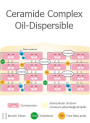
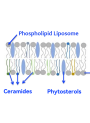
In a Ceramide Anti-Irritant Cream formula containing heat-sensitive ingredients like Ceramide Complex and Chamomile, I am considering using Glyceryl Stearate SE and Cetyl Alcohol (hot process) and adding the heat-sensitive ingredients after cooling below 40°C or 35°C. Is this method suitable for creating a stable cream base with hot-process emulsifiers and heat-sensitive ingredients?
Can I add 0.5% fragrance to both the sunscreen and anti-irritant cream formulas by reducing the amount of water?
I observed that Light Cream Maker feels sticky. Are there alternatives or methods to achieve a less sticky texture, especially if I want to use a hot process?
Answer
Formulation Advice for Your Cream Formulas
Regarding your questions about modifying the two cream formulas:
Formula (a) Hybrid Sunscreen Cream
- Replacing Light Cream Maker with Glyceryl Stearate SE and Cetyl Alcohol: While it is possible to create a cream base using hot process emulsifiers like Glyceryl Stearate SE and thickeners like Cetyl Alcohol, it is more complex than using a pre-calculated cream maker like Light Cream Maker or Soft Cream Maker. Achieving a stable emulsion with Glyceryl Stearate SE and Cetyl Alcohol requires careful calculation of the HLB (Hydrophilic-Lipophilic Balance) value for your specific formula, especially considering the oil phase. Without proper HLB balance, the cream may separate over time. Soft Cream Maker is a hot-process emulsifier that is easier to use as it does not require HLB calculation for stable emulsification.
- Emulsifying Oil with Glyceryl Stearate SE and Cetyl Alcohol: Glyceryl Stearate SE and Cetyl Alcohol can contribute to emulsification and thickening in a hot process. Glyceryl Stearate SE is a self-emulsifying type, and Cetyl Alcohol acts as a thickener and stabilizer. However, whether this combination at 4% and 2% respectively can stably emulsify exactly 10% oil depends on the specific type of oil used and the overall formula composition. It is not a guaranteed ratio without testing and potentially adjusting based on HLB principles.
- Heat Tolerance of SPF Protect Ultra: SPF Protect Ultra (including SPF Protect Ultra II and SPF Protect Ultra III) is stable and can withstand heat up to 80°C for 30 minutes during the mixing process.
Formula (b) Ceramide Anti-Irritant Cream
- Using Hot Process with Heat-Sensitive Ingredients: Hot process emulsifiers like Glyceryl Stearate SE and Cetyl Alcohol require the oil and water phases to be heated and mixed together at high temperatures (typically around 70-80°C) to form a stable emulsion. Simply adding heat-sensitive ingredients like Ceramide Complex and Chamomile after the cream has cooled below 40°C or 35°C is generally not sufficient to create a stable cream base using hot-process emulsifiers. The emulsification needs to occur at the required high temperature. Using a cold-process emulsifier like Light Cream Maker or Easy Cream Maker, which do not require heat, would be more suitable for formulas containing heat-sensitive ingredients.
Adding Fragrance to Both Formulas
- You can add 0.5% fragrance to both formulas by reducing the amount of water. This amount of fragrance is generally acceptable and should not negatively affect the stability or efficacy of the other ingredients in the formulas.
Regarding your observation about Light Cream Maker feeling sticky, while Light Cream Maker is designed to provide a light texture, the overall skin feel of a cream is influenced by all ingredients in the formula, particularly the oil phase and other thickeners or film-formers. Soft Cream Maker is another hot-process option that provides a soft texture, although the skin feel might be similar to Light Cream Maker for some users.
If you prefer a less sticky feel and want to use a hot process, exploring different combinations of oils and emollients in your formula, or trying Soft Cream Maker, might help achieve the desired texture. If you need to incorporate heat-sensitive ingredients, a cold-process emulsifier would be more appropriate.
Related Products Mentioned
Light Cream Maker™
Cetyl Alcohol
Pro Polymer™ (Gel Maker)
Easy Cream Maker™
Soft Cream Maker™
SPF Protect Ultra™ II