Formulation questions for brightening and moisturizing serum/toner
Question
I am formulating a skincare product using Alpha Arbutin, Niacinamide, and Kojic Acid. I have very dry, oily, and dehydrated skin and want to create a separate formula specifically for intense moisture, like "adding water to the skin" (Hydration). I've read ingredient descriptions but need recommendations for the best moisturizer(s), possibly a combination of 3-4 ingredients. Could you advise on:
- Which moisturizer(s) are most effective for very dry, dehydrated skin?
- Are specific ingredients like Hyaluronic Acid, Sea Kelp Extract, and Allantoin suitable?
- What is the best way to mix these ingredients, including the brightening ones (Alpha Arbutin, Niacinamide, Kojic Acid) and moisturizers? (Mixing Procedure)
- Are there any compatibility issues or special dissolution methods needed?
- Does the final product form (toner vs. serum) affect ingredient absorption or efficacy?
- What is the recommended usage percentage for the suggested moisturizers?
- Also, could you clarify the solubility of N-Acetyl Glucosamine?
Answer
Information on Formulating with Alpha Arbutin, Niacinamide, Kojic Acid, and Other Ingredients
Based on your questions and the information provided by the MySkinRecipes team, here is a summary of the information and recommendations:
1. Mixing in Water and Using Thickeners (Xanthan gum)
You can indeed mix the three main ingredients – Alpha Arbutin, Niacinamide, and Kojic Acid – which are all water-soluble, directly with distilled water to create a toner. Adding Xanthan gum to increase viscosity for a serum or gel texture is optional and depends on your preferred feel. The team confirmed that making a toner (water-based) versus a serum (gel-based) does not significantly impact skin absorption for this formula. The key factor is the active ingredients themselves.
2. Formula Shelf Life
A formula containing Alpha Arbutin, Niacinamide, and Kojic Acid can last at least 1 year if stored properly, away from direct sunlight and heat. However, for enhanced stability and a longer shelf life, it is essential to include a preservative such as Phenoxyethanol at a rate of 1%. You should also add Disodium EDTA at a rate of 0.2% to chelate metal ions in the water and improve formula stability.
3. Hyaluronic Acid Nano for Moisture
The team confirmed that Hyaluronic Acid is significantly better than Glycerin for moisturizing and recommended using Hyaluronic Acid Nano to provide moisture for your very dry skin. Hyaluronic Acid Nano has a small molecular size, allowing it to penetrate deeper into the skin to help retain moisture within the skin layers.
Regarding the formula's pH: Alpha Arbutin and Kojic Acid have slightly low pH values, while Niacinamide is neutral. As long as the final pH of the formula is not below 4.0, there should be no issues. Based on the ingredients you listed, pH concerns are minimal. Alpha Arbutin works well within a pH range of 3.5-6.5.
The recommended usage rate for Hyaluronic Acid Nano is 0.1-0.5%. Glycerin can be used from 1-100% but is not suitable for direct skin application; in a formula, a common range is 1-10%.
4. Ingredients to Aid Dissolution or Skin Penetration
For the main ingredients you wish to use (Alpha Arbutin, Niacinamide, Kojic Acid), you do not need to add other substances to aid dissolution or skin penetration. These ingredients dissolve well in water and can penetrate the skin effectively on their own.
5. Formula Color and Staining
Pure Vitamin C is colorless but turns yellow when it oxidizes. In your formula containing Alpha Arbutin, Niacinamide, and Kojic Acid, Niacinamide and Alpha Arbutin are white powders. Kojic Acid can range from white/light colored powder to pale yellow crystals. Overall, this formula is unlikely to turn a deep yellow color and stain clothes like oxidized Vitamin C.
6. Opinion on Hyaluronic Acid, Sea Kelp Bioferment, Allantoin
You can certainly add these ingredients to your formula based on the desired properties you want the formula to have.
- Hyaluronic Acid Nano: Excellent for deep hydration, helping to reduce wrinkles and plump the skin.
- Sea Kelp Extract: A liquid gel extract from seaweed, it provides moisture, nourishes the skin, helps balance and strengthen sensitive skin, has anti-aging properties (Fucoidan), and acts as an antioxidant. The recommended usage rate for skin is 1-3% (up to 10%).
- Allantoin: Helps reduce irritation and allergies and supports the regeneration of new tissue. It is safe and gentle. The recommended usage rate is 0.1-2.0% (0.5% is recommended for dissolution in water at room temperature).
7. Glucosamine (N-acetyl-D) Solubility
The team has corrected the information; N-Acetyl Glucosamine (GlucoBright™) is water-soluble, not oil-soluble. It is an ingredient the team recommended using alongside Niacinamide to enhance brightening effects and help stimulate the skin's natural production of Hyaluronic Acid. The recommended usage rate is 1-8% (4% is recommended when used with Niacinamide at 2-4%).
Additional Questions and Formulation Steps
- Product Stock: You must check product stock directly on the website. If an item is out of stock, you cannot order it, and orders cannot be combined or split for later delivery.
- Weighing Ingredients: Using a digital scale is the most accurate method for measuring each ingredient to achieve the desired percentages, as different substances have different densities. Measuring by volume may not be precise.
- Mixing Steps: Most ingredients in this formula (Alpha Arbutin, Niacinamide, Kojic Acid, N-Acetyl Glucosamine, Allantoin, Disodium EDTA, Phenoxyethanol, Glycerin, Sea Kelp Extract) can dissolve in room temperature water. High heat (like 70°C for Alpha Arbutin) is not necessary for these ingredients. Hyaluronic Acid Nano requires a specific dissolution method (usually slowly sprinkling into water and stirring or letting it hydrate).
- Recommended Steps:
- Prepare purified water (distilled water or boiled RO water).
- Add Disodium EDTA and the preservative (Phenoxyethanol) to the water and stir until dissolved.
- Add other easily water-soluble powders (Alpha Arbutin, Niacinamide, Kojic Acid, N-Acetyl Glucosamine, Allantoin) and stir or mix until completely dissolved.
- Add liquid ingredients (Glycerin, Sea Kelp Extract) and mix until combined.
- Finally, slowly sprinkle Hyaluronic Acid Nano onto the surface of the water little by little, stirring gently or letting it hydrate and dissolve on its own (this may take time). Alternatively, you can prepare a Hyaluronic Acid gel separately and add it at this step.
- Adjust pH if necessary (generally, the pH for this formula should be in the range of 4.0-6.5).
- Recommended Steps:
- Product Texture and Absorption: As the team mentioned, making a toner or serum does not significantly impact the absorption of the ingredients in this formula.
- Best Moisturizer for Very Dry Skin: Based on the information, Hyaluronic Acid Nano is an excellent choice for providing deep hydration. Additionally, Sea Kelp Extract and Glycerin can also contribute to moisture. Using a combination of humectants (like multiple molecular weights of Hyaluronic Acid, Glycerin, Sea Kelp Extract) can provide more comprehensive hydration through various mechanisms.
I hope this information is helpful for your formulation!
Related Products Mentioned
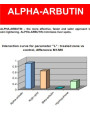
Alpha Arbutin (Switzerland)
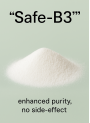
Safe-B3™ (Vitamin B3, Niacinamide)

Allantoin

Sea Kelp Extract
GlucoBright™ (Acetyl Glucosamine)
Glycerin (USP/Food Grade)
Phenoxyethanol (Extra Pure)
Disodium EDTA