Formulation Questions for Liquid Soap and Shampoo Ingredients
Question
I have some questions regarding formulating liquid soap and adapting it for shampoo:
- What is the purpose of adding Glycerin at 20% in a liquid soap formula, and is this concentration too high?
- Can BabyFoam be used as a substitute for Creamy Foamer in a liquid soap formula?
- If adapting the formula for shampoo using Coco-Betaine as the main surfactant, is it necessary to include Lauryl Glucoside or Coco Wash as well? What are their roles in a shampoo formula?
- I want to add nourishing oils like Jojoba Oil and Argan Oil to the shampoo formula, but they are expensive. I plan to include Panthenol. Are Jojoba Oil and Argan Oil suitable for hair nourishment in a shampoo, and what are alternative options?
Answer
Formulation Advice for Your Liquid Soap/Shampoo
Thank you for sharing your formula and questions. It's great that you are experimenting and finding a formula you are happy with. Let's address your questions based on the properties of the ingredients and the advice provided.
1. Glycerin 20% - Purpose and Usage Rate
You are correct that Glycerin is used as a humectant to draw moisture to the skin and improve the skin feel, making it feel smoother during use. This is similar to the function of Propylene Glycol, although Glycerin is often preferred for its more natural origin. A concentration of 20% Glycerin is quite high for a rinse-off product like liquid soap or shampoo. While it provides excellent moisturizing and slip, it might contribute to a slightly sticky or heavy feeling, especially in a rinse-off product. The recommended usage rate for Glycerin in cleansing products is typically lower, often in the range of 1-10%. However, if you are satisfied with the current feel and performance, 20% is not necessarily "too much" in terms of safety, but it is on the higher side and could potentially be reduced if you find it affects the rinse-off feel or leaves a residue. You could experiment with lower percentages (e.g., 10-15%) to see if you maintain the desired humectant and skin feel benefits without potential drawbacks of a high concentration.
2. Substituting BabyFoam for Creamy Foamer
Yes, you can definitely try using BabyFoam instead of Creamy Foamer. As the staff mentioned, BabyFoam (Sodium Cocoyl Isethionate) and Creamy Foamer (Sodium Methyl Cocoyl Taurate) are different surfactants and will produce different foam textures and product feel. BabyFoam is known for creating a very creamy, dense lather, often used in gentle bar soaps and cleansers. Creamy Foamer also provides a soft, smooth foam. The best way to know which you prefer is to make a small test batch substituting BabyFoam for Creamy Foamer at a similar active surfactant level and compare the foam quality and overall feel.
3. Adapting to Shampoo with Coco-Betaine, Lauryl Glucoside, and Coco Wash
If you are adapting your formula to a shampoo using Coco-Betaine as a primary surfactant, you may or may not need to include Lauryl Glucoside or Coco Wash, depending on the desired characteristics of the shampoo.
- Coco-Betaine: This is a good choice for a gentle shampoo base and provides good lather.
- Lauryl Glucoside: As the staff explained, Lauryl Glucoside cleans well but can leave hair feeling "grippy" or less slippery. Combining it with Coco-Betaine can help improve the slip and feel on hair, making it easier to rinse and less likely to tangle. So, including Lauryl Glucoside alongside Coco-Betaine is a common practice in shampoo formulations to balance cleansing and hair feel.
- Coco Wash: Coco Wash (PEG-7 Glyceryl Cocoate) is primarily an emollient surfactant that adds softness and moisture. It has low cleaning efficiency, especially for hair. While it can contribute to the moisturizing feel, it is generally not recommended as a primary or secondary cleansing agent in shampoo. Its inclusion would be more for its emollient properties than for boosting cleaning or foam in a shampoo context.
Therefore, when using Coco-Betaine for shampoo, consider including Lauryl Glucoside for improved hair feel, but Coco Wash is less essential for a shampoo formula focused on cleaning.
4. Adding Oils for Hair Nourishment
You are planning to include Panthenol, which is an excellent choice for hair nourishment as it provides moisture and helps improve hair health and shine.
Regarding adding oils like Jojoba Oil and Argan Oil to a shampoo: As the staff correctly pointed out, adding expensive natural oils to a rinse-off product like shampoo is generally not recommended for several reasons:
- Limited Efficacy: Since shampoo is rinsed off quickly, the contact time for oils to provide significant nourishment to the hair is very short. Most of the oil will be washed away before it can penetrate or condition the hair effectively.
- Cost: Using expensive oils in a high-washout product is not cost-effective.
- Stability: Natural oils can go rancid over time, potentially affecting the smell and quality of the shampoo, especially in commercial products with longer shelf lives.
For adding conditioning and smoothness to shampoo, alternatives that are designed to deposit onto the hair during washing are more effective. These include:
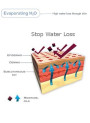
- Silicone-based conditioning agents: Products like SiliWater or WaterLock are designed to adhere to the hair shaft, providing slip, softness, and preventing tangling without significant build-up.
- Other conditioning polymers: Various polymers are available that provide conditioning benefits in rinse-off formulations.
While Jojoba Oil and Argan Oil are wonderful for hair when used in leave-on products (like hair serums, conditioners, or masks), their benefit in a shampoo is minimal. Focus on effective conditioning agents and your planned Panthenol for hair nourishment in your shampoo formulation.
Related Products Mentioned
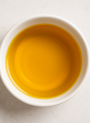
Jojoba Oil (Golden - Deodorized)
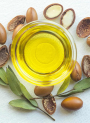
Argan Oil (Virgin - Deodorized)
Propylene Glycol (USP)
Glycerin (USP/Food Grade)
Lauryl Glucoside
Coco Wash™ (PEG-7 Glyceryl Cocoate)
WaterLock™ (Polyquaternium-51)
SiliWater™ (silicone dissolved in water)