Formulation questions for Melasma & Brightening Gel in Aloe Vera Base
Question
I want to create a gel product for melasma and skin brightening using Pure Aloe Vera Gel as the base. I plan to add the following ingredients:
- GlucoBright 4%
- Azelaic Acid (Liquid Azelaic™) 10%
- Tranexamic Acid (Trans-White™) 3%
- Vitamin B3 (Safe-B3™) 2%
- Water Lock™ 2%
- Bisabolol (Natural Bisabolol) 1%
- Beta Glucan 10%
- Phenoxyethanol 1%
I have several questions regarding this formulation:
- Is this formula too complex, and how will the high percentage of added ingredients (total 33%) affect the texture and water content of the gel base?
- What is the potential risk of skin irritation from this combination of active ingredients (Azelaic Acid, Tranexamic Acid, Vitamin B3)?
- Can adding Bisabolol (1%) and Beta Glucan (10%) help reduce potential irritation?
- How should I handle sun exposure when using Azelaic Acid? Does it cause photosensitivity?
- When using GlucoBright at 4%, is it better to use Vitamin B3 at 2% or 5% for enhanced brightening, considering potential irritation?
- How can I add fragrance to the Pure Aloe Vera Gel Tester base?
Answer
Advice for Melasma and Skin Brightening Formula in Pure Aloe Vera Gel
It is a good approach for beginners to use the Tester service and study ingredient information thoroughly when creating products for melasma and skin brightening. Regarding the formula you are interested in adding to Pure Aloe Vera Gel, here are some recommendations and answers to your questions:
1. Is the formula too complex, and what is the impact on water content?
When you sum the percentages of the ingredients you want to add (4% GlucoBright + 10% Azelaic Acid + 3% Tranexamic Acid + 2% Vitamin B3 + 2% Water Lock + 1% Bisabolol + 10% Beta Glucan + 1% Phenoxyethanol), you get a total of 33% of ingredients to be added to the Pure Aloe Vera Gel base. The base itself already contains other components (such as Aloe Vera Extract, Vitamin B5, Allantoin, Pro Polymer, Phenoxyethanol, and water). Adding a high percentage of active ingredients like 33% can significantly reduce the proportion of water in the final formula, potentially resulting in a sticky or heavy texture that is not comfortable on the skin, as you have researched and as C7 advised.
C7 mentioned that such a high percentage of ingredients might result in a heavy texture, which depends on personal preference. However, if the texture is too heavy, you might consider adding ingredients that provide slip, such as silicones or emollients (if available through the Tester service), to help the product spread more easily.
2. Potential risk of irritation
This formula contains several highly active ingredients: Azelaic Acid, Tranexamic Acid, and Vitamin B3 (Niacinamide).
- Azelaic Acid (Liquid Azelaic™) and Tranexamic Acid (Trans-White™) are highly effective for reducing melasma and dark spots, but they can potentially cause skin irritation, especially Azelaic Acid which has exfoliating properties.
- Vitamin B3 (Safe-B3™) is generally not irritating, but using it at high concentrations (e.g., 5% or 10%) can cause temporary redness or a warming sensation (Flushing) in some individuals. As C7 mentioned, Vitamin B3 is not associated with irritation in the same way as the first two ingredients.
Combining multiple active ingredients that can potentially cause irritation in the same formula increases the overall risk of skin irritation compared to using just one. The severity depends on individual skin condition. If your skin is prone to sensitivity or is currently weakened by acne treatments, the risk will be higher.
3. Adjusting ingredients to reduce irritation risk
If you are concerned about irritation, reducing the number or concentration of some active ingredients is a good option.
C7 suggested that if your primary goal is skin brightening rather than direct melasma treatment, using just Vitamin B3 together with GlucoBright can be sufficient to help brighten the skin, and this combination is less likely to cause irritation.
But if you aim to treat melasma effectively, Azelaic Acid and Tranexamic Acid are more potent. Nevertheless, using these two together might increase the chance of irritation. If your skin is not accustomed to these ingredients, consider starting with one at a time or using lower concentrations.
Your idea of pairing ingredients, such as Azelaic Acid with Tranexamic Acid and Vitamin B3 with GlucoBright, is also a good concept for grouping ingredients by their primary function and may help in managing results and potential irritation.
4. Can Bisabolol and Beta Glucan help reduce irritation?
Yes, that is correct. Bisabolol (Natural Bisabolol) and Beta Glucan are ingredients known for their soothing, anti-inflammatory, and irritation-reducing properties. Including both of these ingredients in a formula with potentially irritating active ingredients is a good strategy to help mitigate potential side effects.
- Bisabolol has anti-inflammatory and soothing properties. The recommended usage rate is 0.5-1%, and your desired concentration of 1% is at the higher end of the recommended range.
- Beta Glucan helps strengthen the skin's immune system, reduce allergic reactions, and soothe irritation. The recommended usage rate is 1-10%, with 3% recommended for healthy skin and 5% for irritated or sensitive skin. Using it at 10% as you intend is at the maximum recommended concentration, which should provide good soothing effects in this formula.
5. Azelaic Acid and sun exposure
Azelaic Acid has exfoliating effects, which temporarily thins the outer layer of the skin and makes it more sensitive to sunlight. Avoiding strong sun exposure and using effective sunscreen is absolutely essential when using Azelaic Acid.
You can choose to apply Azelaic Acid only at night to reduce the risk of direct sun exposure. Alternatively, if you apply it in the morning, you must ensure you use adequate SPF sunscreen and avoid prolonged exposure to intense sunlight. It does not make the skin photosensitive in the same way as Vitamin A acid (in terms of ingredient degradation by light), but it makes the skin more vulnerable to UV damage due to the temporary thinning caused by exfoliation.
6. Vitamin B3 2% or 5% when used with GlucoBright 4%
Based on the information for GlucoBright (Acetyl Glucosamine), it is recommended to use it at 4% in combination with Niacinamide (Vitamin B3) at a concentration of 2-4%. Therefore, choosing Vitamin B3 at 2% falls within the recommended range for use with GlucoBright 4% to enhance brightening effects.
Although the Safe-B3™ type of Vitamin B3 can be used up to 10% without causing flushing in some individuals, using 5% might cause redness in some people. Considering that your formula also contains other potentially irritating active ingredients, starting with Vitamin B3 at 2% might be a safer option to reduce the overall risk of irritation while still complementing the GlucoBright.
7. Adding fragrance to the Tester
As confirmed by the Staff, testers typically do not include fragrance.
7.1 You can order fragrance separately and mix it in yourself. The company encourages customers to mix ingredients themselves, and the Tester is intended as a base for experimentation.
7.2 To add fragrance to the Pure Aloe Vera Gel base, which uses Pro Polymer for its gel structure, it can accommodate some oil-based ingredients. However, to ensure good dispersion and prevent separation, especially if using oil-based fragrances (Fragrance Oil or Essential Oil), you should use a solubilizer like Flora Solve™ Clear.
How to mix:
- Mix your desired fragrance with Flora Solve™ Clear in the ratio of 2-5 parts of Flora Solve™ Clear to 1 part fragrance. Stir or blend well until they are fully combined.
- Add this solubilized fragrance mixture to the Pure Aloe Vera Gel base and stir until homogeneous.
- The concentration of fragrance typically used in facial skincare products is around 0.1-0.5%. However, for sensitive skin, you might consider using a lower concentration or avoiding fragrance altogether.
I hope this information is helpful in deciding how to adjust your formula and understanding the ingredients. If you have further questions about making a Night Cream or Toner for acne, feel free to ask!
Relevant products in this answer:
- GlucoBright™ (Acetyl Glucosamine)
- Azelaic Acid (Liquid Azelaic™)
- Tranexamic Acid (Trans-White™)
- Safe-B3™ (Vitamin B3, Niacinamide)
- WaterLock™ (Polyquaternium-51)
- Natural Bisabolol (Brazil Chamomile)
- Beta Glucan (Saccharomyces cerevisiae extract)
- Phenoxyethanol (Extra Pure)
- Aloe Vera Gel (Heavy)
- Aloe Vera Gel (Lite)
- Flora Solve™ Clear (Fragrance Solubilizer)
Related Products Mentioned
Safe-B3™ (Vitamin B3, Niacinamide)

Natural Bisabolol (Brazil Chamomile)
GlucoBright™ (Acetyl Glucosamine)
Phenoxyethanol (Extra Pure)
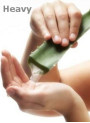
Aloe Vera Gel (Heavy)
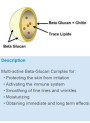

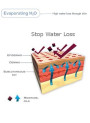
WaterLock™ (Polyquaternium-51)
Aloe Vera Gel (Lite)