Formulation Questions for Three Serums/Oils: Compatibility, Stability, Texture, and Ingredient Issues
Question
I have three different formulas and questions regarding each:
Formula 1:
Skin-mimic 5%
Superoxide Dismutase Liposome 5%
Dimethyl Isosorbide 3%
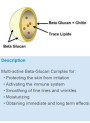
beta glucan 3%
Adenosine Liposome 3%
Probio-Protect 2% (Preservative)
Ectoin 2%
Glutathione 2%
Siliwax Aqua 5%
Active Protec UV 1%
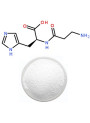
Carnosine 1%
Bakuchiol 1%
Centella 1%
Orange Peel Extract 1%
Phloretin 1%
French Pine Bark Extract 1%
Licorice Extract (licochalcona 1%) 1%
Yerba santa protein 1%
ActiveProtec OX 1%
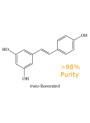
Resveratrol 1%
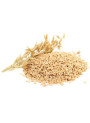
Avena sativa (Oat) Extract (Oil Soluble) 1%
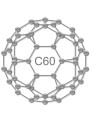
Fullerenes 0.2%
Q10 0.5%
Genistein 0.2%
Disodium EDTA 0.2%
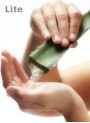
Aloe Vera Gel Lite Rest
Questions for Formula 1:
- The expected result is to use it as a daytime antioxidant. Is the formula suitable and are the ingredients compatible?
- Which ingredients contribute to a sticky texture?
- Are the preservative (Probio-Protect), Disodium EDTA, Active Protec UV, and ActiveProtec OX necessary?
Formula 2:
Skin-mimic 15%
Bifida Ferment Lysate liquid 10%
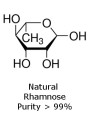
Rhamnose 5%
Niacinamide 5%
Prebio-care 3%
Yeast Resurface 3%
Natural moisture Amino acid 3%
Lactobacillus Ferment Lysate 3%
Glycosaminoglycan 3%
Apple Stem Cell 3%
Glycoprotein 2.5%
Grape Seed Extract 1%
Ume Extract 2%
Natural Betaine 2%
Siliwax Aqua 3%
Laurocapram water 2%
probio care 2% (Preservative)
Glyceryl glucoside 2%
Ethoxydiglycol 2%
N-acetyl-L-hydroProline 1%
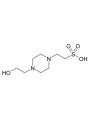
HEPES 1%
Bio-Mineral 1%
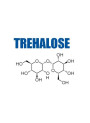
Trehalose 1%
Palmitamide MEA 0.5%
Disodium EDTA 0.2%
Water Rest
Questions for Formula 2:
- The expected result is moisturizing, skin barrier repair, and balancing skin bacteria. Is the formula suitable and are the ingredients compatible?
- What percentage of HEPES is needed to adjust the pH of the formula, considering N-acetyl-L-hydroProline, to be within the suitable range? I need to specify the percentage for production.
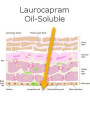
- If Ethoxydiglycol is used, is it still necessary to use Laurocapram water?
Formula 3:
lipid soft f 20%
Avena sativa oat extract oil soluble 5%
Cerasoft 5%
Resveratrol 2%
Laurocapram oil 2%
Bisabolol 1%
Bakuchiol 1%
DPHP 1%
Tocotrienols 1%
Phytosterol 1%
Phytosphingosine 1%
Idebenone 0.5%
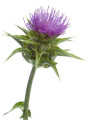
Silybum Marianum Extract 0.5%
Pseudoceramide 0.5%
Pure Baicalin 0.3%
Scutellaria Baicalensis Root Extract 0.3%
WhiteCumin 0.2%
Rose Hip Oil Rest
Question for Formula 3:
- The expected result is an antioxidant and anti-wrinkle face oil. Is the formula suitable and are the ingredients compatible?
Thank you in advance.
Answer
Formula 1 Analysis
Goal: Daytime antioxidant serum.
Suitability and Compatibility: The formula contains a wide array of potent antioxidants, which aligns well with the goal of a daytime antioxidant product. However, the compatibility and stability of this formula are highly complex due to the large number of active ingredients with varying solubility, pH requirements, and temperature sensitivities. Many ingredients require refrigeration for long-term stability (e.g., Skin-mimic, SOD Liposome, Adenosine Liposome, Carnosine, Bakuchiol, Centella, Orange Peel Extract, Phloretin, Yerba Santa Protein, Resveratrol, Oat Extract, Fullerenes, Q10, Licorice Extract, Silybum Marianum Extract, Pseudoceramide, Pure Baicalin, WhiteCumin). Combining this many refrigerated ingredients into a single formula intended for typical room temperature storage would likely lead to significant stability and efficacy issues over time. The oil-soluble Oat Extract may not be fully compatible or stable in the water-gel base without an appropriate emulsification system. Phloretin and Beta Glucan are also listed as dispersing rather than fully dissolving, which could lead to stability or aesthetic issues. Furthermore, the ingredient Genistein is listed for food/pharmaceutical research use only and is not suitable for inclusion in a cosmetic product for sale.
Ingredients Causing Stickiness: Several ingredients in this formula can contribute to a sticky or tacky feel, especially at the concentrations used and depending on the overall formulation and base viscosity. These include ingredients in liposome/encapsulated/dispersed forms (Skin-mimic, SOD Liposome, Adenosine Liposome, Fullerenes, Q10), extracts (Beta Glucan, Yerba Santa Protein), the water-soluble silicone wax (Siliwax Aqua), and components of the Aloe Vera Gel Lite base (Glycerin, Pro Polymer Silk). The total load of these ingredients could result in a noticeable sticky texture.
Necessity of Preservative, EDTA, UV/OX Protectors:
- Probio-Protect (Preservative): Yes, a preservative is essential in any water-based formulation to prevent microbial contamination and ensure product safety and shelf life.
- Disodium EDTA: Yes, Disodium EDTA is highly recommended. It acts as a chelating agent, binding metal ions that can cause instability, discoloration, and degradation of many sensitive active ingredients in the formula (especially antioxidants and those sensitive to oxidation or light).
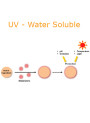
- Active Protec UV & ActiveProtec OX: Yes, these are strongly recommended, especially for a daytime antioxidant product containing many light-sensitive and oxidation-prone ingredients (like Resveratrol, Fullerenes, Q10, Bakuchiol, French Pine Bark Extract, Phloretin, Glutathione, Carnosine, SOD, Oat Extract, Silybum Marianum Extract, WhiteCumin, Idebenone). Active Protec UV helps protect the ingredients from degradation by UV light, while ActiveProtec OX helps prevent oxidation. Using both significantly enhances the long-term stability and efficacy of the active ingredients.
Formula 2 Analysis
Goal: Moisturizing, skin barrier repair, and balancing skin bacteria.
Suitability and Compatibility: The formula contains a comprehensive blend of ingredients known for moisturizing, barrier repair, and supporting the skin microbiome (Skin-mimic, Bifida Ferment Lysate, Rhamnose, Niacinamide, Prebio-care, Natural Moisturizing Amino Acid, Lactobacillus Ferment Lysate, Glycosaminoglycan, Apple Stem Cell, Glycoprotein, Ume Extract, Natural Betaine, Glyceryl glucoside, N-acetyl-L-hydroProline, Bio-Mineral, Trehalose, Palmitamide MEA, Disodium EDTA). This aligns well with the stated goals. However, similar to Formula 1, the large number of ingredients requiring refrigeration presents significant challenges for manufacturing and storage stability. The optimal pH range for all ingredients varies, although the inclusion of HEPES as a buffer helps to maintain a range suitable for many actives (pH 5.0-6.5). Careful pH adjustment and stability testing are crucial.
HEPES Usage for pH Adjustment: N-acetyl-L-hydroProline is acidic (1% in water is pH 1.4-2.5). To adjust the formula's pH to a suitable range (e.g., 5.0-6.5) for optimal stability and efficacy of the various ingredients, a buffer like HEPES is necessary. The exact percentage of HEPES required will depend on the final composition of the formula and needs to be determined through laboratory pH testing (titration). You would add HEPES gradually while measuring the pH until the desired range is achieved. A starting point for testing could be within the recommended usage rate of HEPES (1-5%), such as 1-3%, and adjust from there.
Necessity of Ethoxydiglycol and Laurocapram Water: Both Ethoxydiglycol and Laurocapram water are penetration enhancers for water-soluble ingredients. Using both can potentially enhance the delivery of multiple water-soluble actives. However, the manufacturer's description for Laurocapram notes that combining it with other carriers (except 1,2-Hexanediol) might reduce the overall effect. Ethoxydiglycol is listed as compatible for combined use, but the extent of the benefit or potential reduction in efficacy when used together at these concentrations would need to be evaluated through testing. Whether both are necessary depends on the desired level of penetration and the specific requirements of each active; one might be sufficient, or the combination might offer a synergistic effect worth the potential formulation complexity.
Formula 3 Analysis
Goal: Antioxidant and anti-wrinkle face oil.
- Suitability and Compatibility: The formula is based on oils (Lipid soft f, Rose Hip Oil) and contains numerous oil-soluble antioxidants and anti-wrinkle ingredients (Avena sativa Oat Extract, Resveratrol, Laurocapram oil, Bisabolol, Bakuchiol, DPHP, Tocotrienols, Phytosterol, Phytosphingosine, Idebenone, Silybum Marianum Extract, Pseudoceramide, WhiteCumin). This aligns well with the goal of an antioxidant and anti-wrinkle face oil. However, the inclusion of Pure Baicalin is incompatible as it is a water-soluble ingredient and will not dissolve in an oil base. Many ingredients also require refrigeration for long-term stability, which is a significant consideration for storage and shelf life. The varying mixing temperature requirements for the oil-soluble ingredients (some heat-sensitive, others requiring heat to dissolve) necessitate careful manufacturing procedures. Bakuchiol also ideally requires a chelating agent for stability, which is not present in this formula.
Related Products Mentioned

Safe-B3™ (Vitamin B3, Niacinamide)

Natural Bisabolol (Brazil Chamomile)

Ethoxydiglycol (e.q. Transcutol)
Natural Betaine (Crystal)
Disodium EDTA
TreMoisture™ (Trehalose)
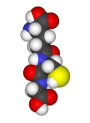
Glutathione (L-Glutathione) (Extrasol)
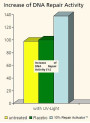
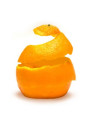

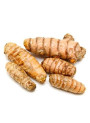
Trans-Resveratrol (Powder, 98%)

Soy Extract (Genistein 98%)
Rhamnose (rhamnose sugar)
Laurocapram (Oil Soluble)
Aloe Vera Gel (Lite)

Pure-Phloretin™
Dipalmitoyl Hydroxyproline (DPHP)

Ume Extract (Anti-Glycation)
Grape Seed Extract (Proanthocyanidins)

Yeast Resurface
Palmitamide MEA
Adenosine Liposome

LipidSoft™ F (Ethyl Linoleate)
Cerasoft™ (Synthetic Ceramide)
Avena sativa (Oat) Extract (Oil Soluble)
Pure-Phytosterols™

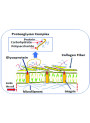
Glycosaminoglycans Complex
Ectoine (Ectoin, from Bio-fermentation)
L-Carnosine
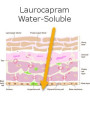
Laurocapram (Water Soluble)
Rosehip Oil (Virgin, Fresh)

Phytosphingosine (90% Purity)

Tocotrienols (Oil, 50%, Cosmetics)
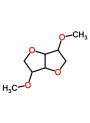
Dimethyl Isosorbide (DMI)

Prebio-care (Skin Prebiotic)
ActiveProtec™ UV

Yerba Santa Protein (Natural Silicone)
Lactobacillus Ferment Lysate
Bio-Mineral™ (Fermented Si+Mg+Cu+Fe+Zn)

Superoxide Dismutase Liposome (SOD)
Idebenone
ActiveProtec™ OX