Formulation Questions for Toners and Serums: Exfoliants, pH, and Ingredient Alternatives
Question
Based on the previous discussion and staff feedback, I have questions regarding the formulation of my toners and serums, specifically concerning exfoliants, pH adjustment, ingredient alternatives, and water preparation.
My initial proposed formulas were:
Formula 1. Day Toner (50ml)
- Witch Hazel 40.26% (= 40.25g)
- Vitamin B3 (Niacinamide Niacin) 5% (= 2.5g)
- Glucosamine (N-Acetyl-D) 4% (= 2g)
- Allantoin 0.5% (= 0.25g)
- Azelaic Acid 10% (= 5g)
Formula 1. Night Toner (50ml)
- (Intended for exfoliation, disinfection, unclogging pores, and cleansing pores. To be used before night serum. Need to know how long to wait before applying serum. Intended for night use to avoid sun exposure.)*
I have both Lactic Acid 10% and Salicylic Acid (BHA). Which one would be more suitable for this night toner? The staff advised choosing only one exfoliant (Azelaic acid, lactic acid, salicylic acid) as combining them might be too harsh, especially since I don't primarily have clogged pores, or to use a milder concentration (Lactic 2-3% or Azelaic 5% for exfoliation/hydration).
Regarding Triethanolamine (TEA) 0.1-5% (not to exceed 5%), how much should be added? The staff mentioned it's only for pH adjustment and not needed if pH doesn't require adjustment.
I understand that facial products should generally have a pH between 5.5-6.5, as mentioned in the description for DMAE Birtartrate. Is this correct for all facial products?
I also need clarification on the following points:
- Could you please confirm the percentage calculations for my formulas, especially the Day Toner where Witch Hazel percentage seems off based on the weight?
- Can I add DMAE Birtartrate to the Night Serum Formula 2? What would be the recommended concentration, and how does it affect the formula?
- Since Alpha Arbutin is out of stock, what are suitable alternative ingredients I can use in my Day Serum for brightening and melasma treatment?
- For water preparation, is boiling filtered drinking water sufficient, or is distilled water necessary? I plan to add Disodium EDTA at 0.2%. Is this correct? I measured the pH of my boiled water to be 6-7; is this acceptable?
Thank you for your guidance.
Answer
Formulation Review and Additional Recommendations
Thank you for your detailed questions and the information you provided, as well as the feedback from our staff. Based on the previous response and your follow-up questions, here is a comprehensive review of your formulas and additional guidance.
1. Appropriate pH Levels
- Generally, facial skincare products should have a pH in the range of 5.0-6.5 to be compatible with the skin's natural pH and minimize irritation.
- Some active ingredients have specific optimal pH ranges for efficacy and stability:
- Azelaic Acid: Often best at pH 4.0-5.0, but still active at higher pH (5.0-6.5) with potentially less irritation.
- DMAE Birtartrate: Recommended pH range is 5.5-6.5, as you correctly noted.
- Salicylic Acid (BHA): Most effective at pH 3.0-4.0.
- Lactic Acid (AHA): Most effective at pH 5.0-6.0.
- Therefore, after mixing each formula, it is essential to measure the pH and adjust it to the appropriate range using a basic substance like Triethanolamine (TEA). Add TEA gradually in small amounts, measuring the pH after each addition until the desired level is reached.
2. Checking Percentage Calculations
- Night Serums (Formula 1 & 2): Your calculations for the weight of each ingredient for a 50ml batch (approximately 50g) are correct according to the percentages listed. The total weight is 50g.
- Day Toner:
- The total weight of the listed ingredients (Witch Hazel 40.25g + other actives totaling 9.75g) is 50g, matching the desired batch size.
- However, the percentage listed for Witch Hazel (40.26%) does not correspond to 40.25g in a 50g formula (40.25g out of 50g is 80.5%). Please double-check the intended percentage or weight for Witch Hazel. The weights for the other actives (Vitamin B3, Glucosamine, Allantoin, Azelaic Acid) are correct for a 50g batch based on their listed percentages.
3. Ingredient Adjustments/Additions
- Night Serum Formula 1: As confirmed by staff, this formula is good as is for anti-aging and initial brightening effects.
- Night Serum Formula 2:
- Azelaic Acid: As the staff advised, be cautious using Azelaic Acid, especially at 10%, alongside other exfoliants (like in your proposed night toner). Using 10% Azelaic Acid in this serum in addition to an exfoliating toner might cause significant irritation. If you wish to use Azelaic Acid for melasma and clogged pores, consider reducing the concentration (e.g., to 5%) or using it in a separate product. Observe your skin's response closely.
- DMAE Birtartrate: This can be included in the formula. It helps with skin firmness. Remember to adjust the formula's pH to 5.5-6.5 for DMAE's efficacy and stability.
- Day Toner:
- Azelaic Acid: Following the staff's advice, if you include Azelaic Acid in the day toner, reduce the concentration to around 5%. 10% is likely too strong for daytime use and requires strict sun protection.
- Choosing an Exfoliant: Reiterate the staff's recommendation to choose only one primary exfoliant (Azelaic Acid, Lactic Acid, or Salicylic Acid) across your toner routine (day and night combined) to avoid over-exfoliation and irritation.
- Night Toner (Exfoliating):
- Lactic Acid vs Salicylic Acid: The staff advised choosing one. Salicylic Acid (BHA) is oil-soluble and excellent for oily/combination skin, clogged pores, and breakouts. If clogged pores and oiliness in the T-zone are primary concerns, Salicylic Acid might be a better fit. Lactic Acid (AHA) is water-soluble, good for surface exfoliation, brightening, and hydration, suitable for normal to dry skin or focusing on fine lines and dark spots. Choose based on the main skin issue you want to address with this toner.
- Triethanolamine (TEA): As the staff explained, TEA is solely for pH adjustment. The amount needed depends on the concentration of the acid used and the desired final pH. Add it drop by drop while measuring the pH until the target range is reached. Do not add a fixed percentage beforehand.
- Using Before Night Serum: Yes, you can use an exfoliating toner after cleansing and before your night serum. Allow the toner to absorb and the skin to dry completely, usually 5-10 minutes, before applying the serum. This allows the exfoliant to work effectively and reduces potential interactions or irritation when layering products.
4. Alpha Arbutin Substitutes for Day Serum
Since Alpha Arbutin is out of stock, several other effective ingredients can help brighten skin, reduce dark spots, and address melasma. Suitable alternatives for a water-based serum include:
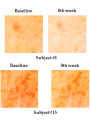
- GlyciWhite™ (Glycinamide HCL): An effective yet gentle ingredient that inhibits melanin production. It is water-soluble and easy to use. Recommended concentration is 5%.
- Hexylresorcinol AF: A water-soluble form of 4-Hexylresorcinol, known for reducing dark spots and providing overall brightening by inhibiting tyrosinase at multiple stages. It is highly effective and generally non-irritating. Recommended concentration is 1-3%.
- Pep®-Bright (Hexapeptide-2): A peptide that helps inhibit melanin synthesis for brighter skin and also offers anti-aging benefits by improving firmness and stimulating collagen. It is water-soluble. Recommended concentration is 1%.
- MelaninTerminate™: Extracted from pearl protein, it inhibits melanin production through a unique mechanism (endothelin antagonist). It is highly potent even at very low concentrations and is water-soluble. Recommended concentration is 0.01-0.1%.
You can choose one of these alternatives or potentially combine a couple with complementary mechanisms (e.g., GlyciWhite + MelaninTerminate) in your day serum to target brightening and melasma.
5. Water Preparation
Boiling filtered drinking water helps reduce microbial contamination, but it does not remove minerals or other impurities as effectively as distilled or deionized water. Using properly sourced distilled water or deionized water specifically for cosmetic formulation is generally recommended to ensure purity and stability of your final product.
Adding Disodium EDTA at 0.2% is a good practice. Disodium EDTA is a chelating agent that binds metal ions in water, helping to prevent ingredient degradation and improve overall formula stability.
Measuring the pH of your prepared water to be between 6-7 is fine as a starting point, but the most crucial step is measuring and adjusting the pH of the final product to the range suitable for the skin and the active ingredients in that specific formula.
Please don't hesitate to ask more questions! It's great that you are investing in tools like a scale and pH meter. Feel free to inquire about your other formulas (makeup remover lotion, hair serum, liquid facial soap) when you are ready. Happy formulating!
Related Products Mentioned
Acetyl Hexapeptide-8 (eq Argireline)
Pal-GHK, Pal-GQPR (eq Matrixyl 3000)
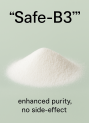
Safe-B3™ (Vitamin B3, Niacinamide)

Allantoin
GlucoBright™ (Acetyl Glucosamine)
Triethanolamine 99%
Salicylic Acid (BHA, Pharma Grade)
Disodium EDTA

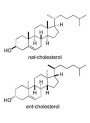
Cholesterol (95%, NF, Fine Powder)
GlyciWhite™

MelaninTerminate™
Pep®-Bright (Hexapeptide-2)