Formulation Questions for Vitamin C E Ferulic Gel for Oily Skin
Question
I am trying to adapt a Vitamin C E Ferulic serum concept into a lightweight gel for combination/oily skin, aiming for brightening and oil control. I have some questions about ingredient compatibility and formulation steps based on a proposed formula:
Proposed Formula (Phase A + Phase B + Phase C):
- Phase A:
- Water: 57%
- Pro Polymer: 1%
- Ferulic Acid: 0.5%
- N-Acetyl-D Glucosamine: 4%
- Niacinamide: 3%
- Panthenol: 1%
- Alpha-Arbutin: 2%
- L-Glutathione: 1.5%
- Zinc PCA: 1%
- Licorice Extract: 0.5%
- Phenoxyethanol: 1%
- Phase B:
- Cyclomethicone: 15%
- d-Alpha Tocopherol: 1.5%
- Phase C:
- L-Ascorbic Acid: 15%
My questions are:
- Can
d-Alpha Tocopheroldissolve or mix directly withPro Polymer? - Is the proposed formula feasible? (Specifically regarding the solubility of
Ferulic Acidand the resulting texture withPro Polymerwhen oil/silicone is included). - If the second formula is not feasible, can Phase B (
Cyclomethicone,d-Alpha Tocopherol) be omitted, relying onL-Glutathioneto help stabilize theL-Ascorbic Acid? - Regarding pH adjustment (aiming for pH 3.5-4), can
Salicylic Acid(in Propylene Glycol) be used to help adjust the pH downwards instead ofLactic Acid(in water)? - Can
Polysorbate 20be used to replaceLaureth-23? (Considering their HLB values of 16.7 and 16.9 respectively).
Answer
Formulation Feedback and Answers
Okay, I understand you're looking to create a lightweight gel for combination/oily skin that brightens and controls oil, adapting a Vitamin C E Ferulic serum concept. You've proposed two formulas and have specific questions about ingredient compatibility and formulation steps.
Let's address your questions based on the properties of the ingredients:
Can d-Alpha Tocopherol dissolve or mix directly with Pro Polymer?
d-Alpha Tocopherol (Vitamin E) is an oil-soluble ingredient and is quite viscous. Pro Polymer is primarily a water-phase thickener that can help emulsify oils and silicones, but it doesn't directly dissolve oil-soluble ingredients. You would need to dissolve the d-Alpha Tocopherol in a suitable oil or solvent before incorporating it into the Pro Polymer gel base. Mixing it directly with Pro Polymer powder or a hydrated Pro Polymer gel is unlikely to result in a homogeneous mixture.
Is the second proposed formula feasible?
Your second formula is an improvement in terms of reducing some solvents, but it still presents challenges:
- Ferulic Acid Solubility: As noted in the forum reply, Ferulic Acid is not water-soluble. It requires a solvent like Ethoxydiglycol or ethanol to dissolve properly. In your proposed Phase A, Ferulic Acid would not dissolve in the water-based mixture and would likely precipitate.
- Emulsification with Pro Polymer: While Pro Polymer can emulsify oil/silicone phases (like your Phase B with Cyclomethicone and d-Alpha Tocopherol), the resulting gel will be opaque, not clear. If a clear gel is desired, Pro Polymer is not suitable for formulas containing oils or silicones.
- Complexity: Combining a high percentage of L-Ascorbic Acid with multiple other active ingredients and an oil/silicone phase in a gel can be complex regarding stability, pH management, and texture.
If the second formula is not feasible, can Phase B be omitted, relying on L-Glutathione for LAA stability?
L-Glutathione does offer some antioxidant properties and can help stabilize L-Ascorbic Acid (LAA). However, the classic combination of L-Ascorbic Acid, Vitamin E (d-Alpha Tocopherol), and Ferulic Acid is well-researched for its synergistic antioxidant effects and enhanced LAA stability. Simply removing Vitamin E and Ferulic Acid (Phase B) would likely reduce the overall antioxidant protection and stability of the L-Ascorbic Acid compared to the original concept, even with L-Glutathione present. For optimal stability and efficacy of L-Ascorbic Acid, including Vitamin E and Ferulic Acid with appropriate solvents is recommended.
Can Salicylic Acid (in Propylene Glycol) be used to adjust pH instead of Lactic Acid (in water)?
Salicylic Acid is an excellent ingredient for oily and acne-prone skin due to its exfoliating and pore-clearing properties. However, it is not typically used as a primary pH adjuster for a large batch. Salicylic Acid is oil-soluble and needs to be dissolved in solvents like Propylene Glycol, Butylene Glycol, or alcohol before being added to a water-based formula.
With 15% L-Ascorbic Acid, your formula will naturally have a very low pH. The FDA requires leave-on cosmetics to have a pH of at least 3.5 for safety. Therefore, you will likely need to increase the pH using a base like Triethanolamine, not decrease it. Lactic Acid is an AHA that lowers pH and exfoliates, but adding it to a formula already containing 15% LAA would make the pH extremely low and potentially irritating or unsafe. Stick to using Triethanolamine to adjust the pH upwards into the safe and effective range (ideally 3.5-4.0 for LAA).
Can Polysorbate 20 replace Laureth-23?
Polysorbate 20 and Laureth-23 are both non-ionic surfactants used as emulsifiers or solubilizers. They have similar high HLB values (16.7 and 16.9, respectively) and can function similarly in many formulations, particularly for oil-in-water emulsions or solubilizing small amounts of oil in water.
However, if you are using Pro Polymer as your primary gel maker and emulsifier (as in your proposed formulas), you do not need Polysorbate 20 or Laureth-23 for emulsification. Pro Polymer itself will handle the emulsification of the oil/silicone phase into the water phase. Adding additional emulsifiers like Polysorbate 20 or Laureth-23 would be redundant for the primary emulsification purpose when using Pro Polymer.
Recommendations for a Lightweight Gel for Oily Skin
Given your goals (lightweight, brightening, oil control) and the ingredients you're interested in, here are some points to consider for a revised formulation:
- Gel Base: Pro Polymer is a good choice for creating a gel texture. Be aware that if you include an oil or silicone phase, the resulting gel will be opaque.
- Solvents for Actives:
- L-Ascorbic Acid, Niacinamide, N-Acetyl-D Glucosamine, Panthenol, L-Glutathione, Licorice Extract, and Hyaluronic Acid Nano are water-soluble and can be dissolved in the water phase.
- Ferulic Acid requires a solvent like Ethoxydiglycol.
- d-Alpha Tocopherol (Vitamin E) is oil-soluble and should be dissolved in a suitable oil or solvent before adding to the main phase.
- Salicylic Acid (if included for oil control/exfoliation) needs a solvent like Propylene Glycol or Butylene Glycol.
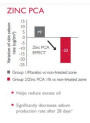
- Brightening & Oil Control Actives: Niacinamide, Alpha-Arbutin, L-Ascorbic Acid, L-Glutathione, Zinc PCA, and Licorice Extract are all suitable for your goals. Consider the recommended usage rates for each.
- Hydration: Panthenol and Hyaluronic Acid Nano provide hydration. For oily skin, you might consider a lower concentration of Hyaluronic Acid Nano or choose a different molecular weight to avoid potential stickiness, as suggested in the forum reply.
- pH Adjustment: With 15% L-Ascorbic Acid, the initial pH will be very low. You MUST adjust the pH upwards using Triethanolamine to a range of 3.5-4.0 for safety and optimal LAA efficacy.
- Mixing: Follow the recommended method for dissolving Pro Polymer (sprinkle into water/glycol phase, hydrate slowly, avoid high shear). Add dissolved actives carefully, especially L-Ascorbic Acid at the end when the temperature is below 30°C. Add the oil/silicone phase (containing dissolved Vitamin E) slowly while stirring to allow Pro Polymer to emulsify it. Add pH adjusters gradually while monitoring the pH.
- Stability: Formulating with 15% L-Ascorbic Acid is challenging. Ensure all ingredients are compatible and consider using stabilizers like Ferulic Acid and Vitamin E, and potentially other antioxidants or chelating agents. Proper packaging (airless, opaque) is crucial.
Related Products Mentioned
Alpha Arbutin (Switzerland)
Safe-B3™ (Vitamin B3, Niacinamide)
GlucoBright™ (Acetyl Glucosamine)
Pure-Ferulic Acid™
Vitamin C (L-ascorbic acid) (Ultra-Fine)
Vitamin E (dl-alpha tocopherol)
Ethoxydiglycol (e.q. Transcutol)
Propylene Glycol (USP)
Triethanolamine 99%
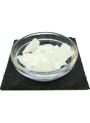
Laureth-23
Glycerin (USP/Food Grade)
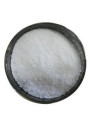
Salicylic Acid (BHA, Pharma Grade)
Polysorbate 20 (Tween 20)
Glutathione (L-Glutathione) (Extrasol)
Pro Polymer™ (Gel Maker)
Zinc PCA