Formulation Questions for Vitamin C Serum: Laureth-23, Polysorbate 20, Propylene Glycol, Glycerin
Question
I am formulating a Vitamin C serum containing Vitamin E and Ferulic Acid. I have some questions regarding the ingredients:
- Can I use
Polysorbate 20instead ofLaureth-23? If so, what percentage should I use to ensure the formula remains stable, especially considering the Vitamin E and Ferulic Acid? - What are the key differences, pros, and cons of using
Laureth-23versusPolysorbate 20in this type of serum formulation? - Regarding
Propylene GlycolandGlycerin, how do they affect the serum's texture (stickiness, oiliness)? Do they aid in absorption? Are they essential for the formula, or can they be omitted?
Answer
Information on Laureth-23, Polysorbate 20, Propylene Glycol, and Glycerin in Serum Formulations
Here is information regarding your questions about using Laureth-23, Polysorbate 20, Propylene Glycol, and Glycerin in a Vitamin C serum formulation.
1. Can Polysorbate 20 Replace Laureth-23? What Percentage to Use?
Yes, Polysorbate 20 can potentially be used as an alternative to Laureth-23, especially if you want to avoid heating the mixture. Laureth-23 is a solid emulsifier that requires heating to melt and incorporate into the oil phase (typically 60-70°C).
Polysorbate 20 is a liquid and can be mixed into the water or glycerin phase without heating. However, its effectiveness in emulsifying oil-soluble ingredients like Vitamin E and Ferulic Acid (as mentioned in the reply) needs careful consideration and testing.
The usage rate for Polysorbate 20 is typically 1-20%. The exact percentage needed to effectively emulsify your specific oil phase (Vitamin E, Ferulic Acid) and maintain stability without separation will likely require experimentation. As noted in the reply, using too little might not keep the ingredients stable, while using too much could lead to a sticky texture.
2. Differences, Pros, and Cons Between Laureth-23 and Polysorbate 20
-
- Type: Emulsifier (primarily for oil-in-water emulsions)
- Form: Solid
- Mixing: Requires heating (60-70°C) to dissolve in the oil phase before mixing with the water phase.
- Usage Rate: 1-5% (maximum 6%)
- Pros: Effective emulsifier for creating stable emulsions.
- Cons: Requires heating, which adds a step to the formulation process.
-
- Type: Solubilizer/Emulsifier
- Form: Liquid
- Mixing: Can be mixed into the water or glycerin phase without heating.
- Usage Rate: 1-20%
- Pros: Easy to use as it's a liquid and doesn't require heating for incorporation into the water phase.
- Cons: May cause turbidity (cloudiness) when used with oil phases, might require a higher percentage than Laureth-23 for effective emulsification of certain oils, which can lead to a sticky feel. Its ability to stabilize ingredients like Vitamin E and Ferulic Acid needs to be tested in your specific formula.
In summary, Polysorbate 20 offers ease of use by avoiding heating, but Laureth-23 might be a more robust emulsifier for certain oil phases at lower concentrations.
3. Propylene Glycol and Glycerin: Stickiness, Oiliness, Absorption, and Necessity
Both Propylene Glycol and Glycerin are common ingredients in serums, primarily functioning as:
- Humectants: They attract and hold moisture, helping to hydrate the skin.
- Solvents: They help dissolve other ingredients, improving formula clarity and stability.
- Texture Enhancers: They can act as lubricants or emollients, contributing to a smoother feel.
Regarding your questions:
- Stickiness: Yes, both can contribute to a sticky or slightly tacky feel on the skin, especially at higher concentrations. The degree of stickiness depends on the percentage used in the formula and individual skin type.
- Oiliness: They do not make the skin oily in the way that oils do, as they are not lipids. However, the hydrating/tacky feel from humectants might be perceived as heavy by some.
- Absorption: As solvents, they can help improve the penetration and absorption of other active ingredients into the skin.
- Necessity: While not strictly mandatory in every serum formula, they are very commonly used because of their beneficial properties. Omitting them might affect the serum's texture, hydration capabilities, and the solubility or stability of other ingredients. They are particularly useful for dissolving ingredients that are not easily soluble in water alone.
Pros of including them:
- Improved skin hydration due to humectant properties.
- Better solubility and stability of other ingredients.
- Enhanced texture and skin feel.
- Improved absorption of active ingredients.
Cons of including them:
- Potential for a sticky or tacky feel, especially at higher concentrations.
Ultimately, whether to include them and at what percentage depends on your desired texture, hydration level, and the solubility requirements of your other ingredients. If you find they make the serum too sticky, you could try reducing their percentage or exploring alternative humectants/solvents, although Propylene Glycol and Glycerin are very effective and widely used.
Related Products Mentioned
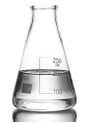
Propylene Glycol (USP)
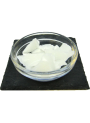
Laureth-23
Glycerin (USP/Food Grade)