Formulation Questions: Heat-Sensitive Actives, Emulsifier Selection, O/W vs W/O
Question
I have 3 questions regarding formulation:
I am using
Emulsifier(Sensitive Cream Maker) which requires heating to 70-80°C for melting. However, all the active ingredients I want to use are water-soluble and must be added at a temperature not exceeding 60°C. The formula isWater-Phase 80% Oil-Phase 20%. Can I mix the Oil phase +Emulsifier+Distilled Water(pure water) about 70-75% of the total water phase, heat this mixture to 70-80°C to form the cream base, and then add the remainingDistilled Watercontaining the Active Ingredients (5-10% of total water phase) after the cream base has cooled down below 60°C? I am concerned about the efficacy of the actives if mixed at 70-80°C.Are there any cream
Emulsifiertypes available that do not require heat, arePEG-free, and areelectrolyte tolerant?What are the criteria for deciding whether to emulsify as
Oil-in-WaterorWater-in-Oil? Is it based on the desired texture/feel, or is it related to which phase (water or oil) is present in a larger amount in the formula?
Answer
Formulation Questions
Here are the answers to your formulation questions:
1. Adding Heat-Sensitive Actives
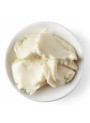
Yes, the method you described is a valid and common way to incorporate heat-sensitive active ingredients into a cream formulation that uses an emulsifier requiring high heat, such as Sensitive Cream Maker or SureCream™.
You can prepare the main emulsion by heating the oil phase containing the emulsifier and a large portion of the water phase (70-75%) to the required temperature (70-80°C) and mixing until the cream base forms. After the cream base has cooled down below 60°C, you can then add the remaining water phase containing your heat-sensitive active ingredients (5-10%) and mix thoroughly to ensure they are evenly dispersed without losing their efficacy due to heat.
2. PEG-Free, No-Heat, Electrolyte-Tolerant Emulsifier
Finding a single emulsifier that is PEG-free, doesn't require heat, and is highly electrolyte tolerant for a 20% oil phase can be challenging.
- Cold Process Options: Some ingredients allow for cold processing, meaning no high heat is required. CreamMaker EG™ is a cold process binder/thickener that can help stabilize emulsions and is suitable for heat-sensitive ingredients. However, it contains Polysorbate 80, which is PEG-related, so it is not PEG-free.
- Electrolyte Tolerance & Thickening: Ingredients like Carbomer Ultrez 30 and Sepimax Zen are excellent electrolyte-tolerant thickeners that do not require heat. While they primarily thicken the water phase and stabilize emulsions, they are not typically used as the sole emulsifier for a 20% oil load. They can be used in combination with other emulsifiers.
You may need to explore combinations of cold-process emulsifiers and electrolyte-tolerant thickeners, or consider a cold-process emulsifier that might not be strictly PEG-free if electrolyte tolerance and no-heat are the highest priorities.
3. Choosing Between Oil-in-Water (O/W) and Water-in-Oil (W/O)
The primary principle for choosing between an Oil-in-Water (O/W) and Water-in-Oil (W/O) emulsion is the desired skin feel and performance characteristics of the final product, not the ratio of water to oil in the formula.
- Oil-in-Water (O/W): Water is the continuous phase. These emulsions generally feel lighter, less greasy, and absorb quickly into the skin. They are suitable for everyday lotions and creams where a non-occlusive feel is desired.
- Water-in-Oil (W/O): Oil is the continuous phase. These emulsions tend to feel richer, more occlusive, and leave a protective barrier on the skin. They are excellent for very dry skin, providing enhanced moisturization and water resistance. W/O emulsions like those made with Water-in-Oil EZ™ or Water-in-Oil Max™ are also preferred for products like sunscreens and foundations because they offer better water resistance and can disperse pigments more effectively in the oil phase, leading to better coverage and durability.
While the water/oil ratio affects the stability and viscosity, the decision to make an O/W or W/O emulsion is driven by the intended use and the desired sensory experience on the skin.
Related Products Mentioned
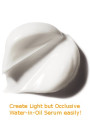

Water-in-Oil Max™
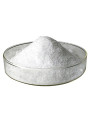
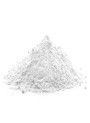
Sepimax Zen
SureCream™ (Non-Ionic Cream Maker)