Formulation Questions: Ingredient Compatibility, Irritation, and Active Concentration
Question
I have several questions regarding cosmetic formulation and product information:
- Ingredient Compatibility:
- Which sulfur compounds are compatible with
Bakuchiol? - Which sulfur compounds are considered electrolytes?
- Which sulfur compounds are suitable for low-irritation acne treatment formulations, minimizing the risk of irritation or allergic reactions?
- Which sulfur compounds are compatible with
- Formulation Concentration and Irritation:
- Is using 20% active ingredients with 8 different actives generally considered too high, or does it depend on the specific formulation?
- Does
4-Hexylresorcinolcause irritation, as some external sources suggest? - When irritating ingredients like
Salicylic Acidor othersalicylic acidgroup substances are used withDMIor other penetration enhancers, will it increase irritation? - Does
Niacinamideat 4% combined withAcetyl Glucosaminestill retain its oil-controlling properties for the face?
- Texture and Sensory Properties:
- Is there comparative information available on the skin feel of emollient esters, specifically comparing
Propylene CarbonateandLipidsoft Literegarding their lightness, slipperiness, and ease of spreading? Or is self-experimentation the best approach?
- Is there comparative information available on the skin feel of emollient esters, specifically comparing
- Information Resources & Feedback:
- Are there recommended external cosmetic information sources beyond MySkinRecipes website and scientific journals?
- How can I report incorrect or potentially misleading information on product detail pages (e.g., conflicting data, inclusion of food-related benefits for cosmetic products, broken document links, etc.)? Can I provide feedback or suggest additional missing details?
Answer
1. Sulfur Compounds Compatible with Bakuchiol
Bakuchiol, particularly in the Pure-Bakuchiol™ and Bakuchiol-Eco™ forms, can be used with Salicylic Acid, indicating compatibility with acne-treating ingredients. However, Bakuchiol is sensitive to pH above 6.5 and metal ions. Chelating agents like Disodium EDTA or Phytic Acid should be used to enhance stability. Additionally, HyaCap™ Bakuchiol/Rose Hip is not electrolyte resistant, so electrolyte-containing sulfur compounds should be avoided when using this specific form.
Regarding sulfur compounds:
Pure MSM™(Methylsulfonylmethane) is a non-ionic organic sulfur compound, so it is unlikely to have electrolyte issues and can be used in formulas with a pH of 3-7.BioSulphur™ EQandIchthammolare sulfonate salts, which are electrolytes. Therefore, they should be avoided when formulating withHyaCap™ Bakuchiol/Rose Hip.Nano Sulfuris a dispersion of elemental sulfur, and elemental sulfur itself is not an electrolyte, but the dispersion might contain other components that affect electrolyte compatibility.
In summary, if using Pure-Bakuchiol™ or Bakuchiol-Eco™, most sulfur compounds should be compatible. However, if using HyaCap™ Bakuchiol/Rose Hip, it is advisable to avoid electrolyte-containing sulfur compounds such as BioSulphur™ EQ and Ichthammol.
2. Which Sulfur Compounds are Electrolytes?
Based on our product information:
BioSulphur™ EQ(Ichthammol) is a sulfonate salt, which is classified as an electrolyte.Ichthammol(Pure, 99%) is also a sulfonate salt, and thus an electrolyte.Pure MSM™(Methylsulfonylmethane) is a non-ionic organic sulfur compound and is not considered an electrolyte.Nano Sulfuris a dispersion of elemental sulfur, and elemental sulfur itself is not an electrolyte.
3. Sulfur Compounds Suitable for Acne Treatment with Low Irritation
BioSulphur™ EQwas developed as a substitute for biotech sulfur with a weaker smell and less irritation than common sulfur. It is effective in reducing oiliness, redness from acne, and helping exfoliate dead skin cells.Pure MSM™can be used in acne products and helps control oil production.Ichthammolhas excellent antibacterial and anti-inflammatory effects and can be used in acne products, but it has a strong odor.Nano Sulfurhas good acne treatment properties, including antibacterial, keratolytic, and oil control effects. However, using it at concentrations higher than 10% may cause a stinging sensation on the skin.
Therefore, BioSulphur™ EQ and Pure MSM™ are good choices for acne formulations aiming for low irritation, with BioSulphur™ EQ having the added benefit of a milder smell.
4. Is 20% Active Ingredients with 8 Actives Too Much?
Using 20% active ingredients with 8 different actives depends on the specific actives, their recommended usage rates, and the overall compatibility within the formula. If each active has a low recommended usage rate and does not cause irritation when combined, it might be feasible. However, combining many actives at high concentrations can increase the risk of irritation or formula instability. The overall efficacy and safety of the formula should be the primary consideration, and compatibility testing is always recommended.
5. Is 4-Hexylresorcinol Irritating?
MySkinRecipes does not have specific information on 4-Hexylresorcinol in our product catalog. However, if you have information from other sources indicating some irritation, it should be considered, and careful testing in your formulation is advised.
6. Will Penetration Enhancers with Salicylic Acid Increase Irritation?
Generally, penetration enhancers like Dimethyl Isosorbide (DMI) help increase the absorption of active ingredients into the skin. This could potentially lead to increased irritation if the active ingredient itself, such as Salicylic Acid, is irritating or used at a high concentration. Therefore, when using them together, careful consideration of the concentration and thorough irritation testing are crucial.
7. Emollient Ester Comparison (Propylene Carbonate vs. Lipidsoft Lite)
MySkinRecipes does not have comparative information on the skin feel of Propylene Carbonate and Lipidsoft Lite in our product catalog. As there is a wide variety of emollient esters with different sensory profiles, self-experimentation in your specific formulation will be the best way to determine which provides the desired skin feel.
8. Active Ingredients 20% and 8 Types - Is it Too Much? (Repeated Question)
The answer is the same as for question 4. Using 20% active ingredients with 8 different actives depends on the specific actives, their recommended usage rates, and the overall compatibility within the formula. The overall efficacy and safety of the formula should be the primary consideration, and compatibility testing is always recommended.
9. Does Niacinamide 4% with Acetyl Glucosamine Still Control Facial Oil?
MySkinRecipes does not have specific information on Niacinamide or Acetyl Glucosamine in our product catalog. However, Niacinamide is generally known for its oil-controlling properties, even at 4%. Combining it with Acetyl Glucosamine might offer synergistic benefits in some aspects, but for oil control, the primary effect would come from Niacinamide.
Related Products Mentioned

Pure MSM™ (Methylsulfonylmethane)
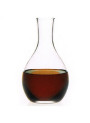
BioSulphur™ EQ (Water Soluble Sulfur)
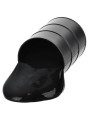
Ichthammol (Pure, 99%)