Formulation Questions: Urea, Rose Hip Oil, and Grape Seed Oil Properties
Question
I have a moisturizing formula using:
- Aloe Vera Extract
- Natural Moisturizing Amino Acids
- Sodium Lactate Plus
- Beta Glucan
I saw a recommendation on the website to add Urea. Should I add Urea to this formula? If so, how much?
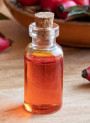
Also, I had a very positive experience with Rose Hip Oil for dark circles under my eyes after just one night. Besides unsaturated fatty acids and Vitamin C, what other beneficial compounds does it contain? And regarding the Vitamin C, why doesn't it degrade within two weeks, unlike my DIY L-Ascorbic Acid serum which turned yellow in just over a week?
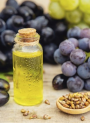
Finally, what are the key properties of Grape Seed Oil?
Answer
Formulation Advice and Ingredient Properties
Here is some information regarding your questions about adding Urea to your formula, Rose Hip Oil, and Grape Seed Oil.
Adding Urea to Your Formula
Your current formula with Aloe Vera Extract, Natural Moisturizing Amino Acids, Sodium Lactate Plus, and Beta Glucan is already very effective for moisturizing. Adding Urea would be beneficial if your skin is extremely dry or cracked, as Urea is a powerful humectant and can help with exfoliation at higher concentrations (above 5%). For general moisturizing, a rate of 3-5% is typically used. Whether to add it depends on how dry your skin still feels with the current formula. It is often recommended to start with a simpler formula and add ingredients only if needed.
Rose Hip Oil
It's great to hear about your positive experience with Rose Hip Oil! Besides unsaturated fatty acids (like oleic, linoleic, and linolenic acids) which are crucial for skin health and barrier function, Rose Hip Oil is also known to contain various beneficial compounds. While the description focuses on its fatty acid profile and skin repairing abilities, it also contains forms of Vitamin C that are naturally present in the oil.
The reason the Vitamin C in Rose Hip Oil is more stable than your DIY L-Ascorbic Acid serum is due to the form of Vitamin C and the medium it is in. L-Ascorbic Acid is water-soluble and highly prone to oxidation (turning yellow/brown) when exposed to water, air, light, and heat. Rose Hip Oil contains oil-soluble forms of Vitamin C or precursors. Oil-soluble Vitamin C derivatives, such as Ascorbyl Palmitate, are significantly more stable against oxidation because they are not in a water base. This allows them to maintain their activity for a longer period when stored correctly, away from excessive heat and light.
Grape Seed Oil
The most prominent property of Grape Seed Oil is its antioxidant benefit, primarily due to its Polyphenol content. These antioxidants help protect the skin from free radical damage, which can contribute to premature aging and collagen breakdown. Additionally, Grape Seed Oil is known for being lightweight and non-greasy, making it suitable for oily and acne-prone skin. It helps retain moisture without clogging pores and supports skin cell health.
Hope this information is helpful!
Related Products Mentioned

Urea (High Purity, Cosmetics, Powder)


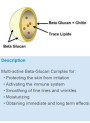
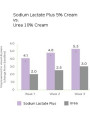
Sodium Lactate Plus