Formulation Review and Issues with Multiple Actives
Question
Hello, I am interested in the following ingredients and would like to know if there are any corrections or additions needed for the formulation:
- Phytosphingosine SA 1 g
- Glycosaminoglycans Complex 2 g
- Licorice Extract (Licochalcone A 1%) 2 g
- Stabilized Vitamin C (Natural-C Glycol™) Serum 50 g
- Plankton Artemia Extract 3 g
- Vitamin B6 (Pyridoxine Hydrochloride) 5 g
- DMAE (SkinTight MD™) Liquid 5 g
- Vitamin E (dl-alpha tocopherol) 5 g
- Zinc Gluconate 10 g
- Bakuchiol (Natural Retinol) 2 g
- Ethylbisiminomethylguaiacol Manganese Chloride 1 g
- 8D Hyaluronic Acid 10 g
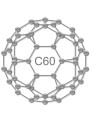
- Fullerene C60 2 g
- Acetyl Octapeptide-3 (eq. SNAP-8) 5 g
- Copper Peptide (GHK-Cu) (1000ppm Solution) 3 g
- 20nm Silver Pure™ 5 g
- Yeast Resurface 2 g
- Octyldodecanol 50 g
- Dimethyl Isosorbide (DMI) 10 g
- ActiveRelease Retinal™ 5 g
- Safe-B3™ (Vitamin B3, Niacinamide) 10 g
- Aloe Vera Gel (Lite) 100 g
Please advise. Thank you in advance.
Answer
Formulation Review and Recommendations
Thank you for sharing your formulation. Based on the ingredients and quantities provided, there are several points to consider regarding compatibility, stability, and recommended usage rates. The total concentration of active ingredients is quite high, which can sometimes lead to instability or skin irritation.
Here are some specific observations and recommendations for your formula:
Stabilized Vitamin C (Natural-C Glycol™) Serum: This product (ID 486) is designed as a finished serum to be used at 100%. It is not intended to be used as an ingredient in another formulation. Adding other ingredients to it can significantly affect its stability and efficacy. It is recommended to use this serum separately or replace it with a compatible form of Vitamin C powder or liquid suitable for mixing into formulations.
Aloe Vera Gel (Lite) Base Compatibility: The Aloe Vera Gel (Lite) base (ID 864) is a cold-mix gel base and is incompatible with certain ingredients, including some types of Hyaluronic Acid and thickeners. Your inclusion of 8D Hyaluronic Acid (ID 8238), which is a gel complex, may cause incompatibility issues with the Aloe Vera base, potentially leading to separation or an undesirable texture.
Phytosphingosine SA Mixing Requirements: Phytosphingosine SA (ID 1261) requires heating to 80-90°C and high-speed blending to dissolve properly. This high-temperature requirement is incompatible with the cold-mix nature of the Aloe Vera Gel (Lite) base and the temperature sensitivity of many other ingredients in your list (which require mixing below 40°C). To incorporate Phytosphingosine SA, you would need a different base and a hot-process emulsification method.
Conflicting Mixing Temperatures: You have ingredients that require high heat for dissolution (Phytosphingosine SA) and many others that are sensitive to heat and must be added below 40°C (Glycosaminoglycans Complex, Plankton Artemia Extract, Vitamin B6, DMAE, Fullerene C60, Acetyl Octapeptide-3, Copper Peptide, Yeast Resurface). This makes it impossible to properly incorporate all ingredients into a single stable formulation using standard methods.
Ingredient Interactions and Stability:
- Copper Peptide (GHK-Cu) (ID 272) should not be used with Disodium EDTA. The description for Bakuchiol (ID 6976) recommends using a chelating agent like Disodium EDTA for stability. Including both in the same formula presents a direct incompatibility conflict.
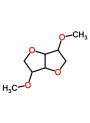
- Bakuchiol (ID 6976) requires a chelating agent and should be used with Dimethyl Isosorbide (DMI) (ID 5987) for optimal penetration. While DMI is included, the chelating agent is missing, and adding one would conflict with Copper Peptide.
- ActiveRelease Retinal™ (ID 6979) requires an antioxidant like ActiveProtec™ OX (ID 7752) for stability and works well with Vitamin B3 (Safe-B3™) (ID 74). You have Vitamin B3, but ActiveProtec™ OX is not listed.
- Vitamin B6 (ID 643) is an electrolyte and can affect the viscosity of gel/cream bases.
Usage Rates:
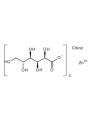
- Zinc Gluconate (ID 2075) is listed at 10g. Based on a total estimated formula weight of around 288g, this is approximately 3.5%, which is significantly higher than the recommended usage rate of 0.05-0.5%. High concentrations of minerals can be harmful to the skin.
- 20nm Silver Pure™ (ID 857) is listed at 5g, approximately 1.7% of the total formula. The recommended usage rate is 0.1-1.0%. This is above the recommended maximum.
- Acetyl Octapeptide-3 (ID 8048) is listed at 5g, approximately 1.7% of the total formula. The recommended usage rate is 3-10%. This is below the recommended minimum for efficacy.
Packaging: Fullerene C60 (ID 8118) and ActiveRelease Retinal™ (ID 6979) are sensitive to light and require opaque packaging.
Recommendations for Modification:
To create a stable and effective formulation, it is highly recommended to simplify the list of active ingredients and address the compatibility and mixing issues. Consider the following:
- Choose a Compatible Base: Select a base or create a base system (emulsion) that is compatible with the ingredients you wish to include and can accommodate their mixing requirements (e.g., a base that allows for a hot process if you want to include Phytosphingosine SA).
- Group Compatible Actives: Divide your desired active ingredients into smaller, compatible groups that can be formulated into separate products (e.g., one serum with water-soluble actives, another with oil-soluble actives, or different products for specific concerns like anti-aging, anti-acne, etc.).
- Review Usage Rates: Ensure all ingredients are used within their recommended usage rates for safety and efficacy.
- Address Stability: Include necessary stabilizers like chelating agents (if compatible with all chosen actives) and antioxidants (like ActiveProtec™ OX for Retinal) and use appropriate packaging.
- Do Not Use Ready-Made Serums as Ingredients: Replace the Stabilized Vitamin C Serum with a suitable raw material form of Vitamin C.
Given the complexity and potential issues with combining all these ingredients, it would be best to reformulate with a more focused approach, selecting a smaller number of compatible actives for a single product or developing multiple complementary products.
If you would like assistance in formulating a product with a specific set of goals or key ingredients from your list, please provide more details on the desired product type and primary concerns you want to address.
Related Products Mentioned
Safe-B3™ (Vitamin B3, Niacinamide)
Vitamin E (dl-alpha tocopherol)
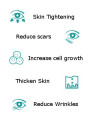
DMAE (SkinTight MD™) Liquid
Vitamin B6 (Pyridoxine Hydrochloride)

20nm Silver Pure™
Aloe Vera Gel (Lite)

Yeast Resurface

Plankton Artemia Extract
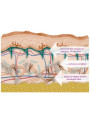
Phytosphingosine SA
Glycosaminoglycans Complex
Zinc Gluconate
Dimethyl Isosorbide (DMI)

ActiveRelease Retinal™
Acetyl Octapeptide-3 (eq. SNAP-8)