Formulation Review and Mixing Advice for a Brightening, Anti-Acne, Anti-Aging Cream
Question
I have a formula for a cream targeting brightening, acne, and wrinkles with the following percentages:
- Safe-B3™ (Vitamin B3, Niacinamide, Switzerland) 4%
- Repair Activator™ Liquid (Bifida Ferment Lysate) 10%
- GlucoBright™ (Acetyl glucosamine) 4%
- Activated Resorcinol™ 1%
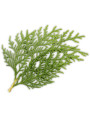
- Japanese Cedar (Cryptomeria Japonica Bud Extract) 1%
- Licorice Extract (Licochalcone A 1%) 1%
- Ectoine (Ectoin) 2%
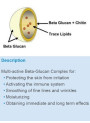
- Beta Glucan (Saccharomyces cerevisiae extract) 5%
- Squalane (Olive) 5%
- Light Cream Maker™ 1%
- Xanthan Gum (ชนิดเจลใส, เนื้อเนียนไม่ยืด) 0.5%
- Mild Preserved Eco™ (Preservative-Free) 1%
- Witch Hazel (Distillate - Alcohol Free, Paraben Free) 5%
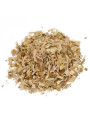
- Willow Bark Extract 5%
- Pal-GHK, Pal-GQPR (eq. Matrixyl 3000) 3%
- Galactomyces Ferment Filtrate (aka. Pitera) 52%
Are these percentages okay? Do I need to add or remove anything? If I increase Witch Hazel to 10%, will the cream become too viscous? Could you please advise on the mixing method?
Answer
Formulation Review
Your formula includes several excellent ingredients targeting your goals:
- Brightening: Safe-B3 (Niacinamide), GlucoBright (Acetyl glucosamine), Activated Resorcinol, and Licorice Extract are all known for their skin brightening properties.
- Acne: Safe-B3 (Niacinamide), Willow Bark Extract, and Witch Hazel can help with acne and pore appearance.
- Wrinkles/Anti-aging: Repair Activator (Bifida Ferment Lysate), Matrixyl 3000, Ectoine, and Squalane contribute to skin repair, hydration, and reducing the appearance of wrinkles.
The choice of ingredients is good for the intended purposes.
Percentage Considerations
The percentages of most individual active ingredients like Safe-B3 (4%), GlucoBright (4%), Activated Resorcinol (1%), Licorice Extract (1%), Ectoine (2%), Beta Glucan (5%), Squalane (5%), Willow Bark Extract (5%), and Matrixyl 3000 (3%) are within typical and effective ranges.
However, there are a few points to consider:
- Total Percentage: The sum of the percentages you listed is slightly over 100%. You need to adjust the percentages so that the total is exactly 100%, including the water phase (which is not explicitly listed but is necessary).
- Galactomyces Ferment Filtrate (52%): Using Galactomyces Ferment Filtrate at 52% is a very high concentration, more typical for essences or toners than creams. While beneficial, this high percentage of a liquid ingredient will make it challenging to achieve a creamy texture with the proposed emulsifier and thickener levels.
- Light Cream Maker (1%): Light Cream Maker is a good choice as it works without heat and can handle oil phases up to 20% (your Squalane is 5%). However, the description notes that in formulas containing electrolytes (which many of your ingredients like Niacinamide, Acetyl Glucosamine, Bifida Ferment Lysate, Ectoine, Beta Glucan, Witch Hazel, Willow Bark Extract, and Matrixyl 3000 might be or contain), the cream can soften, and you might need to increase Light Cream Maker to 2-3% to achieve the desired viscosity. Given the high percentage of liquid actives and potential electrolytes, 1% might result in a very thin cream or serum-like texture.
- Activated Resorcinol Stability: The description for Activated Resorcinol recommends adding Disodium EDTA (0.2%) and ActiveProtec™ OX (0.6%) to prevent discoloration and maintain stability, especially since it's light-sensitive. It also works best in a pH range of 4.5-5.5. Your current formula does not include these stabilizers, which could affect the long-term efficacy and appearance of the product. You should also check and adjust the final pH.
Increasing Witch Hazel to 10%
Increasing Witch Hazel from 5% to 10% is within its recommended usage range (10-100% for toners). Witch Hazel Distillate is a liquid and is unlikely to significantly increase the viscosity or make the cream "หนืด" (viscous/sticky). The texture will be primarily influenced by the total liquid content (especially the high Galactomyces percentage), the amount of Light Cream Maker and Xanthan Gum, and the presence of electrolytes.
Recommendations
- Adjust Percentages: Re-calculate your percentages so they sum to 100%, including the water phase.
- Consider Texture: If you aim for a cream texture, you might need to reduce the percentage of Galactomyces Ferment Filtrate and increase the percentage of Light Cream Maker (perhaps to 2-3%) based on the emulsifier's description and the high liquid/electrolyte content. Alternatively, embrace a lighter, serum-like texture, which might be suitable given the high concentration of beneficial actives.
- Enhance Activated Resorcinol Stability: Strongly consider adding Disodium EDTA (0.2%) and ActiveProtec™ OX (0.6%) to your formula to protect the Activated Resorcinol.
- Check and Adjust pH: Ensure the final pH of your formulation is in the optimal range of 4.5-5.5 for Activated Resorcinol.
- Mixing Method:
- Generally, you would prepare a water phase (containing water-soluble ingredients like Niacinamide, Acetyl Glucosamine, Beta Glucan, Ectoine, Xanthan Gum dispersed in water) and an oil phase (containing Squalane, Activated Resorcinol dissolved in Squalane).
- Add the Light Cream Maker to either the water or oil phase.
- Combine the two phases while stirring or blending until an emulsion forms. Light Cream Maker works without heat, but gentle warming of the oil phase might be needed if using solid oils (though Squalane is liquid). Avoid high shear blending (>2500 rpm) which can damage the polymer.
- In the cool-down phase (below 40°C), add heat-sensitive ingredients like Repair Activator, Galactomyces Ferment Filtrate, Japanese Cedar, Licorice Extract, Matrixyl 3000, Witch Hazel, Willow Bark Extract, and Mild Preserved Eco.
- Given the potential electrolytes and high liquid active load, you might need to follow the Light Cream Maker's specific instructions for formulas with electrolytes: form the cream base first, then gradually add the electrolyte-containing ingredients little by little, re-thickening with more Light Cream Maker if needed, until all ingredients are incorporated and the desired thickness is achieved.
- Add Disodium EDTA and ActiveProtec™ OX (if using) to the water phase or cool-down phase as appropriate for their solubility.
- Check and adjust the final pH.
This formulation has the potential to be very effective, but careful attention to percentages, stability, and mixing technique will be key to achieving a stable and pleasant product.
Related Products Mentioned
Pal-GHK, Pal-GQPR (eq Matrixyl 3000)
Safe-B3™ (Vitamin B3, Niacinamide)
GlucoBright™ (Acetyl Glucosamine)
Squalane (Olive)
Light Cream Maker™
Mild Preserved Eco™ (Preservative-Free)