Formulation Review: Cream for Skin Whitening & Melasma with Multiple Actives
Question
I am developing a cream formulation for skin whitening and melasma treatment using the following ingredients:
- Liquid Azelaic™ (Azelaic Acid 10%)
- Alpha-Arbutin (2%)
- Tranexamic Acid (3%)
- Alpha Lipoic Acid (3%)
- Ethoxydiglycol (10%)
- Light Cream Maker™ (1.5%)
- Water (balance)
I encountered two problems:
- The formula does not form a cream texture when using Light Cream Maker™ without oil.
- Alpha Lipoic Acid needs to be dissolved.
Could you please review this formulation and provide guidance on how to achieve a stable cream texture, properly dissolve Alpha Lipoic Acid, and address potential issues with ingredient concentrations and compatibility for skin whitening and melasma treatment?
Answer
Formulation Review for Skin Whitening and Melasma
Thank you for providing your formulation. Your goal of skin whitening and reducing melasma using these active ingredients is achievable, but there are a few important points to consider based on your formula and the previous feedback.
Key Considerations and Recommendations
Cream Formation (Light Cream Maker™): As noted in the previous reply, Light Cream Maker™ is designed to create an oil-in-water emulsion. Your current formula contains no oil phase. To form a stable cream texture, you will need to add an oil component (e.g., 3-5% as suggested, or up to 20% as the maker allows). Without oil, the Light Cream Maker™ will only act as a thickener in the water phase, resulting in a gel-like or serum texture, not a cream.
Alpha Lipoic Acid Solubility: Alpha Lipoic Acid (ALA) is oil-soluble or soluble in glycols. With only water and Ethoxydiglycol in the liquid phase (besides the actives), you need to ensure the ALA is properly dissolved. If you add an oil phase for the cream maker, dissolving ALA in the oil phase before combining with the water phase is the recommended method.
Ingredient Concentrations:
- Azelaic Acid (10%): This concentration is at the higher end of the recommended usage rate (5-10%) for whitening and melasma treatment for the Liquid Azelaic™ form. It is generally effective at this level.
- Alpha-Arbutin (2%): This is also at the maximum recommended usage rate (0.2-2%) for skin whitening. Using 2% is common for efficacy.
- Tranexamic Acid (3%): This is the maximum concentration allowed for cosmetic registration. Higher concentrations (up to 5%) require drug registration. Using 3% is appropriate for a cosmetic product aimed at melasma.
- Alpha Lipoic Acid (3%): The recommended usage rate for Alpha Lipoic Acid (ALA) is typically 0.3-1.5%. Using 3% is higher than recommended and significantly increases the risk of skin irritation. It is strongly advised to reduce the concentration to 1.5% or less, especially when combining with other potent actives.
- Ethoxydiglycol (10%): While a good solvent and carrier, the recommended maximum usage rate for Ethoxydiglycol in leave-on products is 2.6%. Using 10% is much higher than the recommended limit for leave-on applications and could potentially cause irritation or other adverse effects. It is recommended to reduce this concentration significantly, perhaps to 1-5% depending on its necessity for dissolving specific ingredients (like ALA if not using oil) and aiding penetration, while staying within regulatory guidelines for leave-on products.
Potential for Irritation: Combining multiple potent active ingredients at high concentrations (Azelaic Acid 10%, Alpha-Arbutin 2%, Tranexamic Acid 3%, and especially Alpha Lipoic Acid 3% and Ethoxydiglycol 10%) significantly increases the likelihood of skin irritation, redness, peeling, or sensitivity. It is crucial to consider the overall irritation potential of the formula.
pH Level: The optimal pH range for these active ingredients varies slightly (Alpha-Arbutin 3.5-6.5, Tranexamic Acid 3-8, Azelaic Acid 5-11). Aiming for a pH between 5.0 and 6.5 would be suitable to ensure the efficacy and stability of Alpha-Arbutin and Tranexamic Acid, while being acceptable for Azelaic Acid. Alpha Lipoic Acid stability is also pH-dependent, and dissolution in oil/glycol helps.
Light Cream Maker™ and Electrolytes: Azelaic Acid is an electrolyte. At 10%, it will likely reduce the viscosity provided by Light Cream Maker™. If you add an oil phase and keep Azelaic Acid at 10%, you might need to increase the Light Cream Maker™ percentage (perhaps to 2-3% or more) to achieve the desired cream consistency, as mentioned in the product description for handling electrolytes.
Summary of Suggested Modifications
- Add an oil phase (e.g., 5-10%) to allow Light Cream Maker™ to form a proper cream emulsion.
- Reduce Alpha Lipoic Acid concentration to 1.5% or less.
- Reduce Ethoxydiglycol concentration to comply with recommended usage rates for leave-on products (max 2.6%).
- Dissolve Alpha Lipoic Acid in the oil phase (if added) or Ethoxydiglycol/other glycol before combining phases.
- Adjust Light Cream Maker™ percentage as needed based on the final formula composition (oil content, electrolyte content).
- Check and adjust the final pH to be within the optimal range (ideally 5.0-6.5) for the actives.
- Consider the overall concentration of actives and the potential for irritation, especially for sensitive skin.
This formula contains a powerful combination of skin-lightening ingredients. While potentially effective, the high concentrations of Alpha Lipoic Acid and Ethoxydiglycol, along with the lack of an oil phase for the cream maker, need to be addressed for safety, stability, and proper formulation.
Related Products Mentioned
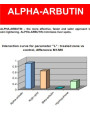
Alpha Arbutin (Switzerland)
Ethoxydiglycol (e.q. Transcutol)
Light Cream Maker™
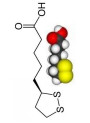
Alpha Lipoic Acid (ALA) (Powder)