Formulation Review: Face & Body Sunscreen with Anti-Aging and Brightening
Question
I have developed two formulations and would like expert feedback:
1. Face Formula (for combination, acne-prone skin, prone to clogging):
This formula aims for waterproof sun protection and anti-aging.
Ingredients:
- SPF Protect Ultra 30%
- Titanium Dioxide nano easy disperse 7.5%
- Water Guard 5%
- Argireline 10%
- Matrixyl 3000 10%
- Adenosine Complex 5%
- Pro Polymer (as the base)
I received feedback that the texture feels quite heavy and potentially occlusive for skin prone to clogging. Could you please review this formula and provide advice?
2. Body Formula:
This formula aims for waterproof sun protection, anti-aging, and skin brightening/dark spot reduction.
Base Ingredients:
- SPF Protect Ultra 20%
- Light Cream Maker
- Phenoxyethanol
- Titanium Dioxide nano easy disperse 7.5%
- Water Guard 5%
I am considering adding further ingredients for enhanced benefits and have two options:
- Option A: Add Rosehip Oil.
- Option B: Add Adenosine Complex 3%, N-acetyl-d glucosamine, and Vitamin B3.
Which option (A or B) would be more effective for achieving anti-aging benefits and reducing dark spots/whitening the skin? Please review both formulas and provide recommendations.
Answer
Formulation Advice
Face Formula Analysis
Your face formula is designed for combination, acne-prone skin, focusing on waterproof sun protection and anti-aging.
- Sun Protection: Using 30% SPF Protect Ultra (likely SPF Protect Ultra II or III) provides very high SPF (SPF 90+ for SPF Protect Ultra II). The addition of 7.5% Titanium Dioxide nano easy disperse further boosts UV protection, particularly against UVB and UVA2 rays.
- Anti-Aging: Argireline is included at a high concentration (10%), which works by relaxing facial muscles to reduce expression lines. Matrixyl 3000 (10%, higher than the typical recommended 3-5%) stimulates collagen production to improve skin firmness and reduce wrinkle depth. Adenosine Complex (5%, higher than the typical recommended 0.1-1.0% for Pure-Adenosine) also contributes to wrinkle reduction and skin repair.
- Water Resistance: Water Guard at 5% is at the higher end of the recommended range for sunscreens (1-5%), which will provide excellent water and sweat resistance.
- Texture & Skin Type: This is where the feedback you received is relevant. For combination, acne-prone skin that is prone to clogging, a formula containing 7.5% Titanium Dioxide and 5% Water Guard can indeed feel quite heavy and potentially occlusive. Titanium Dioxide is a physical blocker that can sometimes feel thick, and Water Guard forms a film for water resistance, which might trap oil and lead to clogged pores for some skin types.
Recommendation for Face Formula: The feedback is valid. While the formula provides strong protection and anti-aging benefits, the combination and concentrations of Titanium Dioxide and Water Guard might be too heavy for skin prone to clogging. It would be beneficial to test a simpler version first, perhaps reducing or temporarily omitting the Titanium Dioxide and Water Guard, or trying lower concentrations, to see if the base with Pro Polymer is light enough for your skin type before adding the potentially heavier components. If you need high water resistance, Water Guard is necessary, but you might explore different types of Titanium Dioxide or lower concentrations if possible while still achieving desired SPF/PA.
Body Formula Analysis and Comparison
Your body formula aims for waterproof sun protection, anti-aging, and skin brightening/dark spot reduction.
- Base Formula: The base contains SPF Protect Ultra (20% for good SPF/PA), Light Cream Maker for a light texture, Phenoxyethanol as a preservative, Titanium Dioxide nano easy disperse (7.5%) for added UV protection, and Water Guard (5%) for water resistance. Similar to the face formula, the Titanium Dioxide and Water Guard contribute to the sun protection and water resistance but might affect the texture and feel. Light Cream Maker should help mitigate some of the heaviness.
- Option A (Adds Rosehip Oil): Rosehip oil is rich in fatty acids and known for its ability to help repair skin, reduce inflammation, improve the appearance of wrinkles and scars, and provide moisture. Adding it would boost the nourishing and anti-aging aspects, particularly related to skin repair and texture.
- Option B (Adds Adenosine Complex, N-acetyl-d glucosamine, Vitamin B3): This option adds a powerful blend of active ingredients.
- Adenosine Complex (3%) contributes to wrinkle reduction and skin vitality.
- N-acetyl-d glucosamine (likely GlucoBright) is excellent for reducing dark spots and promoting a brighter skin tone, as well as boosting hydration by stimulating hyaluronic acid production. It also offers gentle exfoliation benefits.
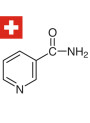
- Vitamin B3 (Niacinamide, likely Safe-B3) is a multi-tasker, helping to reduce wrinkles, improve hyperpigmentation (dark spots), strengthen the skin barrier, reduce redness, and control oiliness. N-acetyl-d glucosamine and Vitamin B3 are known to work synergistically for enhanced whitening effects.
Comparison and Recommendation for Body Formula:
Considering your goals of anti-aging and reducing dark spots/whitening, Option B is likely to be more effective. While Rosehip oil in Option A offers good skin benefits, the combination of Adenosine Complex, N-acetyl-d glucosamine, and Vitamin B3 in Option B directly targets both wrinkle reduction and, importantly, skin brightening and dark spot reduction through multiple mechanisms. The synergistic effect of N-acetyl-d glucosamine and Vitamin B3 makes this option particularly strong for addressing hyperpigmentation concerns like dark spots.
Therefore, for maximum effectiveness in reducing wrinkles and addressing dark spots/whitening, Option B is the better choice.
Related Products Mentioned
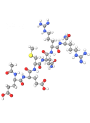
Acetyl Hexapeptide-8 (eq Argireline)

Pal-GHK, Pal-GQPR (eq Matrixyl 3000)

Safe-B3™ (Vitamin B3, Niacinamide)
GlucoBright™ (Acetyl Glucosamine)
Light Cream Maker™
Phenoxyethanol (Extra Pure)
Pro Polymer™ (Gel Maker)

SPF Protect Ultra™ II
WaterGuard™ Spray
Rosehip Oil (Virgin, Fresh)
Pure-Adenosine™
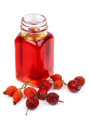
Rosehip Oil (Extra Virgin)