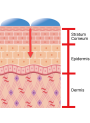
Formulation Review for Hydrating Cream/Lotion: Preservatives and Heating Requirements
Question
Review of a hydrating formulation containing Aqua, Caprylic/capric triglyceride, Glycerin, Hydrogenated Lecithin, butyrospermum parkii butter, Squalane, Ceramide 3, and Jojoba Oil. Questions are regarding the need for a preservative, whether heat is required for dissolving ingredients, and if other ingredients should be added to enhance hydration.
Answer
Formulation Review for Skin Hydration
Your formulation includes several excellent ingredients for skin hydration and barrier support:
- Glycerin: A humectant that draws moisture into the skin.
- Caprylic/Capric Triglyceride, Shea Butter, Squalane, and Jojoba Oil: These are emollients and occlusives that help soften the skin, reduce water loss, and provide a smooth feel.
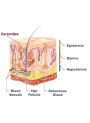
- Ceramide 3: A key component of the skin barrier, essential for retaining moisture and protecting against external irritants.
- Hydrogenated Lecithin: Can act as an emulsifier and aid in delivering other ingredients.
This combination provides both humectant properties (drawing moisture) and emollient/occlusive properties (trapping moisture and smoothing the skin), which is effective for hydration.
Do you need to add a preservative?
Yes, since your formula contains water (Aqua), it is essential to include a broad-spectrum preservative system. Water-based formulations are susceptible to microbial growth, which can spoil the product and pose a health risk. You should select a preservative suitable for your desired pH range and ingredient compatibility. Options like Mild Preserved™ COS or NaturePreserve™ Ultra could be considered, but always check the supplier's recommended usage rate and compatibility.
Is heat required for dissolving ingredients?
Yes, some ingredients in your formula require heat to dissolve properly in the oil phase:
- Shea Butter: Typically needs to be heated to 60-70°C to melt and incorporate smoothly.
- Ceramide 3: Dissolves well in oil at temperatures of 75°C or higher.
Therefore, you will need to heat your oil phase containing Shea Butter, Ceramide 3, Caprylic/Capric Triglyceride, Squalane, Hydrogenated Lecithin, and Jojoba Oil to at least 75°C to ensure everything is fully dissolved before emulsifying with the water phase.
Should you add other ingredients?
The current formula is already quite good for hydration. However, to further enhance the water-attracting properties, you could consider adding Hyaluronic Acid. Different molecular weights of Hyaluronic Acid offer varying benefits, from surface hydration to deeper penetration. Adding an antioxidant like Vitamin E could also provide additional skin conditioning benefits and help protect the oils in your formula.
General Process Consideration
Formulating this product will likely involve creating a heated oil phase and a heated water phase separately, then combining them using an emulsification method to create a stable cream or lotion. The preservative is typically added during the cooling phase, according to the supplier's instructions.
Always follow good manufacturing practices and test the stability and preservation efficacy of your final product.
Related Products Mentioned
Vitamin E (Tocopheryl Acetate)
Jojoba Oil (Golden - Deodorized)
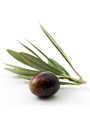
Squalane (Olive)
Vitamin E (dl-alpha tocopherol)
Glycerin (USP/Food Grade)
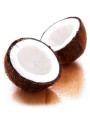
Fractionated Coconut Oil
Shea Butter (Ultra Soft)