Formulation Review for Keratosis Pilaris Treatment with Multiple Exfoliants
Question
I have formulated a product with the following ingredients and percentages:
- Glycolic Acid (AHA) 100% Powder 2.5%
- Lactic Acid (AHA) 90% Deodorized 10%
- Complex Salicylic Acid (Powder, Water-Soluble) 5%
- Urea 10%
- Allantoin 0.5%
- Double Hyaluron Liquid 7.25%
- Safe-B3™ 5%
- Aloe Vera Extract 3%
- Light Cream Maker™ 1.5%
- Phenoxyethanol SA 1.25%
- น้ำกลั่น 54%
Are there any adjustments needed? Are the acids too strong? Is the moisturizing sufficient?
Answer
Formulation Review for Keratosis Pilaris
This formulation uses a combination of exfoliating ingredients (Glycolic Acid, Lactic Acid, Salicylic Acid, and Urea) and moisturizing/soothing ingredients (Urea, Allantoin, Double Hyaluron Liquid, Safe-B3™, Aloe Vera Extract) to address keratosis pilaris.
Let's review the concentrations and potential considerations:
Exfoliating Ingredients
- Glycolic Acid (Glycopure™ 100% Powder) at 2.5%: This concentration is within the recommended range for general cosmetic use (up to 5%). Glycolic acid is effective for exfoliation due to its small molecule size.
- Lactic Acid (AHA) 90% Deodorized at 10%: This is at the maximum recommended concentration for consumer products (up to 10%). Lactic acid also exfoliates and helps improve skin hydration by increasing ceramides.
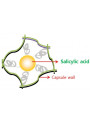
- Complex Salicylic Acid (Powder, Water-Soluble) at 5%: This ingredient contains 40% Salicylic Acid, meaning the final concentration of Salicylic Acid in your formula is 2% (5% * 0.40). 2% Salicylic Acid is the maximum level permitted by the FDA in cosmetic products. Salicylic acid is oil-soluble and effective for exfoliating within pores.
- Urea at 10%: At this concentration, Urea provides both significant moisturizing and exfoliating (keratolytic) effects.
Overall Exfoliation Strength: The combination of four different exfoliants (Glycolic Acid, Lactic Acid, Salicylic Acid, and Urea) at these concentrations creates a very potent exfoliating product. While this can be effective for severe keratosis pilaris, it also carries a high risk of irritation, redness, dryness, and peeling, especially for sensitive skin. It is crucial to monitor your skin's reaction when using this formulation.
Important Consideration: pH Level: The effectiveness and safety of AHA and BHA exfoliants are highly dependent on the product's pH. They are most effective at low pH (ideally below 4.0), but lower pH increases the potential for irritation. The preservative (Phenoxyethanol SA) also requires a pH between 2.0 and 6.0 to be effective. Urea can cause the pH to rise over time, especially at warmer temperatures. You must measure and adjust the final pH of your formulation to ensure it is within a safe and effective range (typically between 3.5 and 4.0 for consumer AHA/BHA products, though even this range can be irritating with this combination and concentration). You should also consider stabilizing the Urea, as suggested in its product description, using ingredients like Gluconolactone or Triacetin to prevent pH drift.
Moisturizing and Soothing Ingredients
- Urea at 10%: As mentioned, provides significant hydration in addition to exfoliation. The product description suggests combining Urea with Sodium PCA and Sodium Lactate for enhanced moisturizing effects, which are not currently in your formula.
- Allantoin at 0.5%: This is within the recommended usage rate and helps to reduce irritation and soothe the skin.
- Double Hyaluron Liquid at 7.25%: This provides 0.3625% actual Hyaluronic Acid. This concentration is within the recommended range for dry skin and helps provide surface hydration.
- Safe-B3™ (Vitamin B3, Niacinamide) at 5%: This is a good concentration for strengthening the skin barrier, reducing inflammation, and improving hydration, which are beneficial for skin prone to keratosis pilaris.
- Aloe Vera Extract at 3%: This is within the recommended range and provides soothing and moisturizing benefits.
Overall Moisturizing/Soothing Level: The formula includes a good array of moisturizing and soothing ingredients at reasonable concentrations. However, given the high concentration and combination of exfoliants, you might find that additional moisturizing and soothing agents are needed to mitigate potential irritation and dryness. Consider adding Sodium PCA and Sodium Lactate as suggested for Urea, or increasing the concentration of other soothing ingredients if needed, provided they are compatible with the low pH required for the exfoliants.
Other Ingredients
- Light Cream Maker™ at 1.5%: This is within the recommended range. Note that Lactic Acid and Aloe Vera Extract are electrolytes and can reduce the viscosity provided by Light Cream Maker™. You may need to adjust the percentage or mixing method to achieve your desired cream consistency.
- Phenoxyethanol SA at 1.25%: This is at the maximum recommended level for preservation, suitable for an open container product. Ensure the final pH is within its effective range (2.0-6.0).
Summary and Recommendations
Your formulation is a powerful treatment for keratosis pilaris with a strong combination of exfoliants. The moisturizing and soothing components are present but may need to be enhanced to balance the high exfoliation potential. The most critical aspects to consider are:
- pH Adjustment and Stability: You must measure and adjust the final pH to a suitable range (likely 3.5-4.0) for the exfoliants and preservative to be effective and as safe as possible. Consider adding a Urea stabilizer like Gluconolactone or Triacetin.
- Irritation Potential: This is a very strong formula. Start with patch testing and consider reducing the concentration of one or more exfoliants if irritation occurs. You might not need all four exfoliants at these levels.
- Enhanced Hydration: Consider adding Sodium PCA and Sodium Lactate to boost the moisturizing effect of Urea and help counteract potential dryness from the exfoliation.
Always perform a patch test before applying the product to a large area.
Related Products Mentioned
Safe-B3™ (Vitamin B3, Niacinamide)
Allantoin
Light Cream Maker™
Sodium Lactate (60% Liquid, Natural)
Urea (High Purity, Cosmetics, Powder)
Sodium PCA 50%
Double Hyaluron Liquid
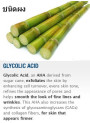
Glycopure™ (Glycolic Acid (AHA) Powder)
Phenoxyethanol SA (eq. Optiphen Plus)