Formulation Review: Night Cream (Anti-Wrinkle + Whitening)
Question
I have formulated a night cream for normal skin with anti-wrinkle and whitening properties. I would like to request a review of my formula and any suggestions for improvement. The formula is as follows:
- Citric Acid (1.00%)
- PE-1 Aqua (1.00%)
- Phenoxyethanol (0.15%)
- Allantoin (0.20%)
- MSH White Absorb™ (MSH White™) (4.00%)
- Repair Activator™ (Bifida Ferment Lysate) (10.00%)
- Pep®-Coll (Palmitoyl tripeptide-5) (3.00%)
- Argireline® (Acetyl Hexapeptide-8) (3.00%)
- N-Acetyl-D glucosamine (GlucoBright™) (4.00%)
- Vitamin B3, Niacinamide (Safe-B3™) (2.00%)
- Tranexamic Acid (3.00%)
- Shea Butter (2%)
- Macadamia Nut Oil (1%)
- Light Cream Maker™ (1.5%)
Answer
Formulation Review: Night Cream (Anti-Wrinkle + Whitening)
Overall, your formulation includes a very good selection of active ingredients for both anti-aging and whitening purposes. The combination of peptides like Pep-Coll and Argireline with Repair Activator targets wrinkles and skin repair, while MSH White, N-Acetyl Glucosamine, Vitamin B3, and Tranexamic Acid provide a comprehensive approach to whitening and reducing dark spots. The base ingredients like Shea Butter and Macadamia Nut Oil are suitable for providing moisture in a night cream for normal skin.
Here is a review of your formula, incorporating the staff's points and additional considerations based on the ingredient properties:
Points from Staff Feedback:
- Citric Acid (1.00%): The staff correctly advised against setting a fixed percentage for Citric Acid initially. Citric Acid is used to adjust the final pH of the formula. You should prepare the cream first and then add Citric Acid gradually in small amounts, measuring the pH after each addition, until you reach the desired pH for skin (typically around 5.5-6.5). Remove the 1.00% from your initial ingredient list and add it only as needed for pH adjustment at the end.
- PE-1 Aqua (1.00%): The staff suggested starting with 2-3% for facial skin to enhance penetration. Your current 1% might be a bit low for optimal penetration of the active ingredients. You could consider increasing this to 2-3% as recommended by the staff.
- Weighing Small Percentages: As the staff mentioned, ingredients at very low percentages like Phenoxyethanol (0.15%) and Allantoin (0.20%) require careful and accurate weighing to ensure the correct concentration in your final product.
Additional Considerations:
- Phenoxyethanol (0.15%): This ingredient is used as a preservative. The recommended usage rate for Phenoxyethanol is typically 0.5-1.0% for effective preservation against bacteria and fungi. Using only 0.15% is likely insufficient to protect your product from microbial growth, which can compromise its safety and shelf life. It is strongly recommended to increase the concentration of Phenoxyethanol to at least 0.5%, or preferably 1.0%, to ensure proper preservation.
- MSH White Absorb™ (MSH White™) (4.00%): The recommended usage rate for MSH White™ is 0.5-2%. While higher concentrations might be used in some cases, staying within the recommended range of 0.5-2% is generally advised for optimal efficacy and to minimize potential issues. Consider reducing the percentage to 2%.
- Active Ingredient Percentages:
- Repair Activator™ (Bifida Ferment Lysate) (10.00%): This is a good, effective concentration within the recommended range (5-100%).
- Pep®-Coll (Palmitoyl tripeptide-5) (3.00%): This is the recommended usage rate (1-5%, recommended 3%) and is excellent for stimulating collagen.
- Argireline® (Acetyl Hexapeptide-8) (3.00%): This is within the recommended range (3-10%) and is effective for reducing expression lines.
- N-Acetyl-D glucosamine (GlucoBright™) (4.00%): This is within the recommended range (1-8%). Using 4% with Niacinamide (2%) is a well-supported combination for whitening.
- Vitamin B3, Niacinamide (Safe-B3™) (2.00%): This is within the recommended range (1-10%) and works well in combination with N-Acetyl Glucosamine for whitening and other skin benefits.
- Tranexamic Acid (3.00%): This is the maximum allowed concentration for cosmetics and is effective for targeting blemishes and brightening skin tone.
- Base Ingredients: Shea Butter (2%) and Macadamia Nut Oil (1%) provide a nice emollient base suitable for normal skin without being overly heavy. Light Cream Maker™ (1.5%) is an appropriate emulsifier for this oil phase percentage.
Summary of Suggested Adjustments:
- Remove the fixed percentage for Citric Acid from the formula list. Add it only at the end, gradually, to adjust the pH to 5.5-6.5.
- Consider increasing PE-1 Aqua from 1.00% to 2.00% or 3.00% based on the staff's recommendation for enhanced penetration.
- Increase Phenoxyethanol from 0.15% to at least 0.5% (preferably 1.0%) for adequate preservation.
- Consider reducing MSH White Absorb™ from 4.00% to the recommended range of 0.5-2.0%.
By making these adjustments, you will improve the stability and safety of your formulation while maintaining the excellent blend of active ingredients for anti-aging and whitening.
Related Products Mentioned
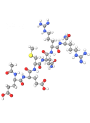
Acetyl Hexapeptide-8 (eq Argireline)
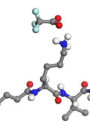
Pep®-Coll (Palmitoyl tripeptide-5)

Safe-B3™ (Vitamin B3, Niacinamide)

Allantoin
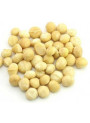
Macadamia Nut Oil (Deodorized)
GlucoBright™ (Acetyl Glucosamine)
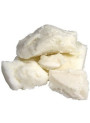
Shea Butter (Refined , Deodorised)
Light Cream Maker™
Phenoxyethanol (Extra Pure)
Disodium EDTA
TreMoisture™ (Trehalose)
MSH White™ (Undecylenoyl phenylalanine)
Purified Water, TDS Limit 1PPM)

Pentylene Glycol (Low-Odor)